
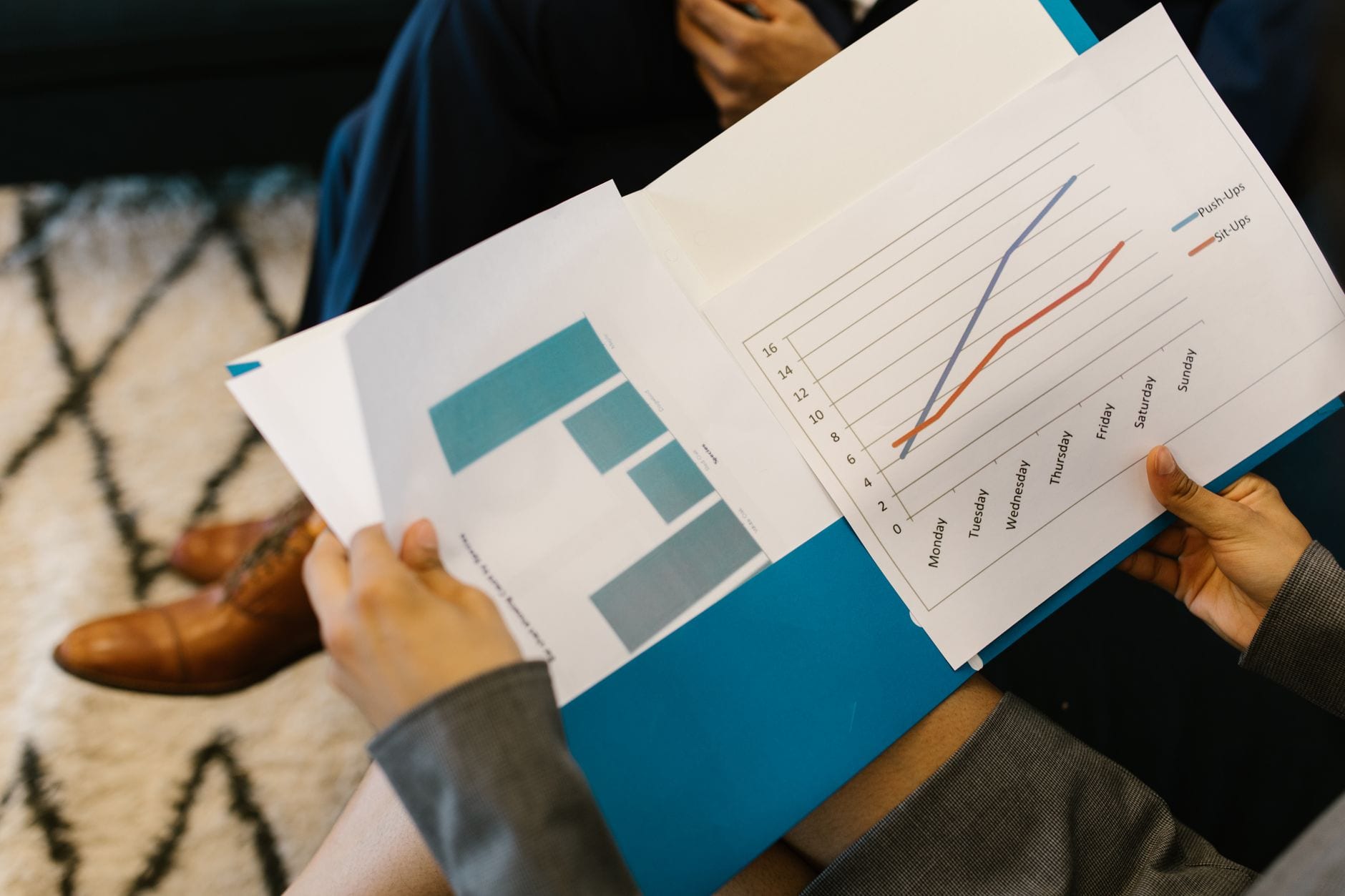
A simple, proportionate chart of accounts gives SMEs a clearer way to classify day-to-day transactions and discuss internal reports. Consistent account names and intended uses can make profit-and-loss, balance-sheet, and cash-flow views easier to understand without creating an unnecessarily detailed account structure.
A Chart of Accounts Should Help People Understand the Business
A chart of accounts is more useful when it helps people understand where transactions belong and how those records appear in internal reports. Problems begin when account names are vague, overlapping, or created without a clear purpose.
For example, office supplies and inventory purchases may both be posted to the same general expense account even though they represent different types of business activity. A manager reviewing the monthly report may then struggle to understand what actually drove the total.
For growing Malaysian SMEs, the aim is not to create the most detailed account structure possible. It is to maintain enough clarity that routine records are classified consistently and internal profit-and-loss, balance-sheet, and cash-flow views can be discussed sensibly.
Inconsistent Accounts Make Routine Reports Harder to Read
A report becomes difficult to interpret when similar transactions are recorded differently from month to month. Customer deposits may be placed under one account by one employee and another account by someone else. Several vague labels such as General Expenses, Miscellaneous, and Other Costs may all contain similar transactions.
The total figures may still be available, but the categories provide less useful information for internal discussion. A manager trying to understand why expenses increased may need to open many individual transactions just to determine what each label actually contains.
The same problem appears when new accounts are created too freely. If an employee adds a new account every time a slightly different expense appears, the account list can become longer without making the reports clearer.

Keep Account Names Clear and Specific Enough
A useful account name should tell staff what normally belongs there without requiring them to guess. The name does not need to describe every possible transaction, but it should be distinct from nearby accounts.
For example, Office Supplies is clearer than General Costs when the account is intended for normal stationery and workplace consumables. Inventory Purchases serves a different operational purpose and should not be mixed simply because both involve supplier spending.
Consistency matters more than creating highly specific labels. If the team understands what an account is for and applies it the same way to routine records, internal reports become easier to compare over time.
Use a Practical Account-Structure Checklist
Before adding or changing accounts, review the basic structure using a simple checklist:
- Clear account name: Use a label that staff can understand without needing a separate explanation every time.
- Account type: Identify the broad financial role of the account so it appears in the appropriate internal reporting group.
- Intended use: Describe what kinds of transactions should normally be recorded there.
- Owner: Identify the finance person, bookkeeper, or responsible reviewer who maintains the structure.
- Examples: Keep a few practical examples of transactions that belong in the account when the distinction may not be obvious.
- Review timing: Periodically check whether accounts are still being used as intended and whether unused or confusing labels need attention.
- Rule for new accounts: Create a new account only when there is a clear recurring reporting or operational reason, rather than for every unusual transaction.
The right level of detail will vary between businesses. A service company, distributor, retailer, and project-based SME may all need different account structures.

Make Monthly Reports Easier to Discuss
A clear account structure improves the conversation around internal reports because managers can focus on what changed rather than first decoding the categories.
For example, if a manager sees that office-related costs increased, the account name and underlying transactions should make it possible to understand the reason quickly. If customer deposits are consistently placed in the same intended account, the team is less likely to spend time reconciling several different labels before discussing the business position.
Source details should still remain available. A report provides the summary, while the underlying invoices, receipts, payments, and other records provide the explanation when someone needs to investigate a figure in more detail.
Review the Structure Before Adding More Accounts
When a transaction does not seem to fit anywhere, the first reaction should not always be to create a new account. The team can first ask whether an existing account already covers the transaction, whether the intended use of that account needs clarification, or whether the transaction is genuinely different enough to justify a separate reporting line.
This helps prevent an account structure from becoming crowded with labels that are used only once or twice. It also makes onboarding easier because new finance staff have fewer overlapping choices when recording routine activity.
For Malaysian SMEs, statutory, tax, and formal reporting requirements should be discussed with the business's accountant or qualified adviser. The internal account structure should support those requirements without trying to replace professional accounting advice.

How TREX Grow Can Help Solve This
TREX Grow can help SMEs keep day-to-day accounting records and internal reports more organised by maintaining a clearer account structure around routine transactions.
A practical workflow can follow these steps:
- Review existing account names. Look for vague, duplicated, overlapping, or rarely used labels that make it difficult for staff to decide where routine transactions belong.
- Set up a manageable account structure. Keep account names and intended uses clear enough for the business's day-to-day needs without creating unnecessary detail.
- Apply accounts consistently to routine records. Use the agreed accounts when recording relevant sales, purchasing, expense, payment, and other internal financial activity so similar transactions are treated consistently.
- Review reports with source details available. Use internal profit-and-loss, balance-sheet, or cash-flow views as summaries while keeping the underlying records accessible when a figure needs further explanation.
- Discuss changes with the responsible finance owner. When the team identifies a recurring transaction that no longer fits the existing structure, review the change with the appropriate finance owner before creating another account.
The objective is not to prescribe one chart of accounts for every SME. It is to keep the structure simple enough to use consistently and clear enough to support useful internal reporting. Businesses that want clearer accounting records and more understandable financial views can explore how TREX Grow supports this record discipline while continuing to work with their accountant or qualified adviser on statutory, tax, and formal reporting requirements.

