A financial report shows totals, but those totals are built from individual transactions. Reviewing general ledger details helps SME teams trace an unexpected balance back to invoices, supplier bills, expenses, journals, payments, or other source records before deciding what the figure means or whether follow-up is needed.
A Report Total Is the Starting Point, Not the Full Explanation
An internal financial report can tell a business owner that delivery expenses increased or that a particular balance changed, but the total alone does not explain why. To understand the movement, the team often needs to look at the transactions that make up the figure.
A general-ledger view provides that additional detail. It can show transaction dates, account entries, document references, descriptions, and the source records behind a reported balance.
For Malaysian SMEs, this is a useful report-review habit because it separates observation from investigation. The team can first identify what changed, then trace the relevant transactions before deciding whether the movement reflects normal business activity, a recording issue, or something that needs clarification.
Use the Ledger When a Report Figure Looks Unexpected
Consider a monthly report showing a sharp increase in delivery expense. The total may look unusual, but that does not automatically mean something is wrong. The increase could come from more customer deliveries, a large one-off shipment, duplicated expense entries, or a manual adjustment.
Looking at the related ledger details lets the reviewer compare the individual transactions behind the total. The team can check the dates, amounts, descriptions, and source documents rather than drawing conclusions from the summary alone.
A supplier-bill total can be reviewed in the same way. If the balance looks too high, finance can trace the account entries back to the supplier bills included in the period and confirm whether the figure comes from normal purchases, an unexpected bill, a duplicated record, or another entry requiring follow-up.
Trace the Transaction Back to the Original Record
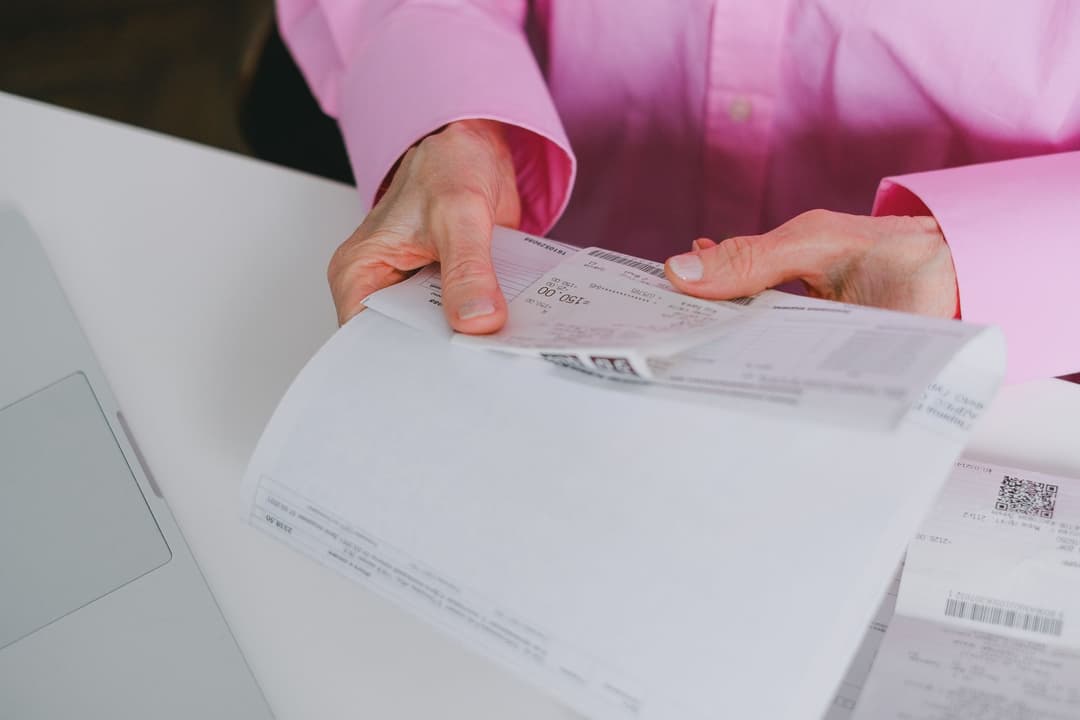
The ledger becomes more useful when a transaction can be followed directly to the record that created it. Depending on the situation, that source may be a customer invoice, supplier bill, business expense, payment, journal, or another operational record.
For example, a customer-payment balance may need explanation because the owner expected more receipts to have been recorded. Instead of only looking at the balance, finance can review the underlying payment-related entries, transaction dates, customer references, and connected source documents.
A manual adjustment deserves the same treatment. If an entry does not originate from a routine sales, purchasing, or expense workflow, the description, reason, responsible person, and supporting context should make it possible for another reviewer to understand why it exists.
Use a Practical Trace-Back Checklist
A structured review can help teams investigate a report figure consistently without turning every question into a lengthy exercise.
- Report period: Confirm the date range being reviewed so transactions from another period are not mixed into the investigation.
- Account: Identify the specific account or balance responsible for the movement.
- Transaction date: Check when each relevant entry was recorded.
- Document reference: Look for an invoice number, supplier bill reference, expense reference, journal identifier, or other recognisable link.
- Source record: Open the underlying operational or accounting record that generated the transaction where available.
- Description: Read the transaction description or note to understand the business context.
- Owner: Identify who created, reviewed, or is responsible for the source record when clarification is needed.
- Exception: Note unusual entries, missing references, unexplained manual adjustments, or other items that require attention.
- Next action: Record whether the transaction needs clarification, correction, supporting information, or no further action.
The objective is not to prove correctness from the report alone. It is to make the path from summary figure to source record clear enough for a proper internal review.
Keep Questions Attached to the Transaction Being Reviewed
When a reviewer finds something unusual, the question should remain connected to the relevant transaction or source record. This creates a clearer trail than discussing the issue only in email or chat.
For example, a finance administrator may find a supplier bill that appears to contribute unexpectedly to the month's total. The record can be flagged for clarification, assigned to the appropriate owner, and reviewed with the original purchasing context available.
The same principle applies when a customer-payment balance needs explanation. Rather than asking broadly why the report is different, the team can identify the specific transactions that need attention and assign follow-up to the person who can resolve them.
Use Source Details Before Explaining Why the Monthly Result Changed
When an owner asks why the monthly result changed, the most useful answer usually comes from combining the report summary with the underlying transaction detail.
For instance, higher delivery expense may be explained by several unusually large shipments. A supplier-related balance may have increased because a major bill was recorded near the end of the period. A manual adjustment may explain part of a change that would otherwise appear inconsistent with normal operations.
Reviewing the source details helps the team distinguish between normal business activity, unusual but valid transactions, and records that require correction or further information. It also keeps the discussion grounded in specific documents rather than assumptions.
For statutory accounting, tax, audit, or formal reporting questions, Malaysian SMEs should continue to work with their accountant or other qualified adviser.
How TREX Grow Can Help Solve This
TREX Grow can help SMEs keep operational and accounting records connected so report figures are easier to trace back to the transactions behind them.
A practical workflow can follow these steps:
- Open the relevant internal report. Start with the report period and account where the unexpected balance or movement appears.
- Review the account details. Open the related general-ledger transactions to see the individual dates, amounts, references, and descriptions that make up the total.
- Trace a transaction to its source record. Follow the relevant line back to the connected invoice, supplier bill, expense, journal, payment, or other source record where available.
- Note an exception and assign follow-up. If a transaction needs clarification or correction, record the issue and identify the appropriate person responsible for the next action.
- Retain a clear review trail. Keep the source record, review notes, exception status, and follow-up visible so another team member can understand what was investigated and what happened next.
The goal is not to turn every report review into a detailed investigation. It is to give business owners and finance teams a reliable path from a summary figure to the records that explain it. SMEs looking for more connected operational and accounting records can explore how TREX Grow supports this traceability while relying on qualified advisers for statutory, tax, audit, and formal accounting questions.