

Supplier payment planning becomes harder when growing SMEs rely on inbox searches, spreadsheets, and memory to track what is due. When supplier invoices, purchase orders, payment history, and reminders sit in different places, teams can miss upcoming cash outflows or spend too much time checking what still needs to be paid. This practical guide shows SME owners and finance teams how to connect purchase commitments, supplier invoices, payment history, and reminders into a clearer process. It also explains how TREX Grow can help teams track due dates, partial payments, repeated suppliers, and missing invoices with less manual follow-up.
Why supplier payment planning gets harder as SMEs grow
For many SMEs, supplier payment planning works reasonably well when there are only a few regular vendors and a low volume of invoices. The process becomes more difficult when the business starts buying from multiple suppliers, placing more frequent orders, and handling different payment terms at the same time.
Common warning signs include:
- purchase orders created in one place, but supplier invoices arriving by email or WhatsApp
- finance staff checking due dates manually from PDF invoices
- owners asking for a quick cash position update, but the team still needs time to confirm what is already committed
- repeated suppliers sending multiple invoices across different dates and jobs
- partial payments being recorded in bank references but not clearly tied back to the original invoice
- reminders being kept in personal calendars instead of a shared workflow
The issue is not always overspending. More often, the problem is incomplete visibility. If the business cannot see upcoming supplier invoices, open purchase commitments, and recent payment activity together, cash outflows can feel more sudden than they really are.
What invoice visibility actually means in day-to-day finance work
Supplier invoice visibility means more than keeping copies of bills in a folder. It means the team can quickly answer a few practical questions:
- What has already been ordered?
- Which supplier invoices have been received?
- Which invoices are due soon?
- Which invoices have been paid in full, paid partially, or not paid at all?
- Which expected invoices are still missing?
When those answers are easy to find, owners and finance teams can prepare for cash outflows earlier instead of reacting close to the due date.
For example:
- A purchase order for raw materials was issued two weeks ago, but the supplier invoice has not arrived yet. Without tracking the purchase commitment, the business may assume cash is still free to use elsewhere.
- A repeated supplier sends four invoices in a month with different due dates. If those invoices are only tracked by email arrival date, one upcoming payment may be missed.
- A supplier accepts a partial payment this week and the balance next week. If the first payment is noted only in online banking remarks, finance may later treat the full invoice as unpaid.
Good visibility helps teams distinguish between committed spending, invoiced spending, and paid spending. That difference matters when planning the next few days or weeks of cash movement.
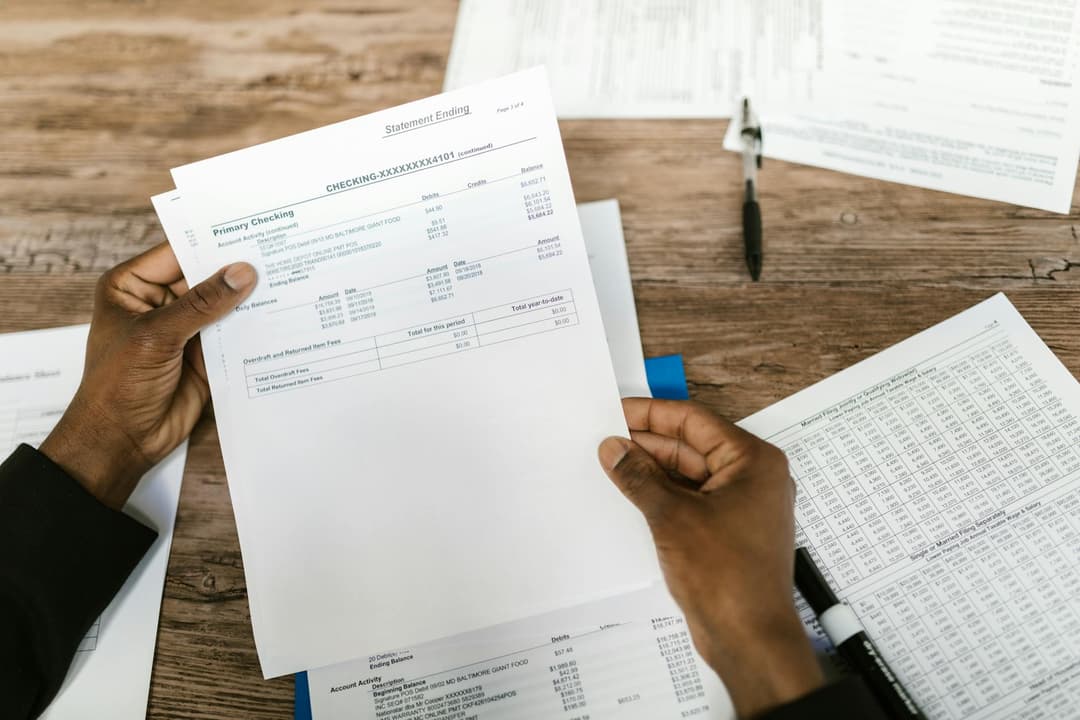
How purchase commitments, supplier invoices, payment history, and reminders connect
A practical supplier payment planning process usually starts before the invoice is received. That is why purchase commitments matter.
A simple workflow looks like this:
| Stage | What the team should see | Why it matters |
|---|---|---|
| Purchase order created | Supplier name, items, amounts, expected delivery or billing timing | Shows a likely future cash outflow even before an invoice arrives |
| Supplier invoice received | Invoice number, amount, due date, linked supplier and purchase record | Confirms what needs payment and when |
| Payment recorded | Full or partial amount paid, payment date, remaining balance | Prevents duplicate payment or confusion about outstanding balances |
| Reminder set | Upcoming due date or follow-up task for missing invoice | Keeps next actions visible and shared |
When these records are disconnected, teams often create workarounds such as:
- separate spreadsheets for due dates
- manual highlighting for urgent suppliers
- inbox searches to find old invoice attachments
- verbal updates about whether a supplier has already been paid
Those methods can work for a small volume, but they become harder to trust as transaction counts rise.
A more stable approach is to connect each supplier invoice to the supplier record, related purchase order, payment status, and follow-up reminder. This creates a clearer picture of both confirmed and expected cash outflows.
Practical examples of supplier payment planning in growing SMEs
Below are common scenarios where clearer supplier invoice visibility improves planning.
1. Upcoming due dates across several suppliers
An SME has 12 supplier invoices due over the next 10 days. The total amount is manageable, but the timing matters. If due dates are tracked in separate emails, finance may notice the full picture too late. A shared view of due dates helps the team spread payments properly, prepare approvals, and avoid last-minute checking.
2. Partial payments for larger purchases
A supplier allows 50% payment now and the balance after delivery. If finance records only the bank transfer without updating the invoice status, the outstanding balance may be overlooked. Payment history should show both what has been paid and what remains due.
3. Repeated suppliers with multiple open invoices
A regular packaging supplier sends weekly invoices. The owner may think, "We already paid them this month," but that does not mean all current invoices are settled. Payment planning works better when each invoice is visible individually, while still showing the broader supplier relationship.
4. Purchase orders issued but supplier invoices still missing
A buyer places a purchase order for restocking, and goods are expected within the week. The invoice has not yet arrived, but the commitment already exists. If that expected outflow is not visible, the business may overestimate available cash.
5. Manual reminders create uneven follow-up
One finance staff member sets calendar reminders for due dates, while another relies on sticky notes or email flags. This creates inconsistency, especially when staff are busy or away. Shared reminders reduce the chance that a payment task depends on one person's memory.
In each case, better planning does not require complex forecasting. It starts with cleaner visibility over what has been committed, invoiced, paid, and still waiting for action.
How TREX Grow Can Help Solve This
TREX Grow helps growing SMEs build a more practical supplier payment planning process by connecting purchasing activity, supplier invoices, payment history, and reminders in one working flow.
Here is a simple way to apply it:
-
Create purchase orders early Record supplier purchases as purchase orders when commitments are made, not only when invoices arrive. This gives the team an earlier view of expected spending.
-
Track supplier invoices against the right supplier and purchase record When invoices are received, log them with the supplier, invoice amount, and due date. Where relevant, connect them back to the purchase order so finance can see what has moved from commitment to payable.
-
Monitor upcoming due dates in one place Review supplier invoices by due date to see what needs attention this week and next. This helps owners and finance teams prepare for cash outflows instead of discovering them at the last moment.
-
Record full and partial payments clearly Update payment history whenever a supplier payment is made, including partial payments. This helps the team see remaining balances and reduces confusion when repeated suppliers have several open invoices.
-
Use reminders for follow-up tasks Set reminders for upcoming due dates, approval checks, or supplier invoices that have not been received yet. This is especially useful when purchase orders have been issued but billing documents are still pending.
-
Review repeated suppliers as ongoing relationships, not isolated transactions For regular vendors, use supplier records and invoice history to see payment patterns, open balances, and recent activity more clearly.
This kind of workflow is especially useful for SMEs moving away from manual finance habits. Instead of switching between inboxes, spreadsheets, and bank records, the team can work from a clearer operational view of supplier obligations.
For teams also tightening internal follow-up habits, the reminder structure can complement broader workflows described in Reminder Workflows That Keep Sales and Finance Teams on Track.
A simple review routine for better supplier payment planning
SME owners and finance teams do not need an overly technical process to improve supplier payment planning. A short recurring review can make a big difference.
Consider a routine like this:
- review all supplier invoices due in the next 7 to 14 days
- check which purchase orders are still open without matching supplier invoices
- confirm whether any large invoices are scheduled for partial payment
- group repeated suppliers to see total exposure, not just single invoice amounts
- set reminders for missing approvals, pending invoices, or follow-up calls
- compare recent payment history before making another transfer
This review is easier when purchasing records and supplier activity are organised consistently. It also supports cleaner operational data, which matters across other finance processes such as document handling and workflow readiness. Related reading: How Malaysian Finance Teams Can Prepare for Consolidated E-Invoice Handling.
The goal is not to eliminate every surprise. It is to reduce avoidable uncertainty by making supplier obligations easier to see and manage.

Final thoughts
Supplier payment planning is often less about advanced analysis and more about better visibility. When growing SMEs can connect purchase commitments, supplier invoices, payment history, and reminders, they are better prepared for upcoming cash outflows and less dependent on memory or scattered files.
A practical system helps teams track due dates, spot missing invoices, handle partial payments properly, and stay clearer on what is still payable across repeated suppliers. If your business is trying to move beyond manual supplier tracking, it may be worth exploring TREX Grow for clearer supplier payment planning and day-to-day follow-up.