

A modern B2B quotation does more than show prices. It helps buyers review scope, confirm commercial terms, identify the right contact person, and move faster through internal approval. This practical benchmark explains which quotation details reduce follow-up questions and prevent avoidable delays for distributors, suppliers, service businesses, and small manufacturers. It also shows how sales teams can prepare clearer quotations in TREX Grow using templates, catalog data, company details, and customer records.
Why quotation quality matters more than ever
B2B buyers now expect quotations to be clear, complete, and easy to review digitally. Whether the buyer is a procurement executive, operations manager, project lead, or business owner, the quotation is often used for more than price comparison. It may be forwarded internally for approval, matched against technical requirements, checked against budget, and used to confirm delivery or service expectations.
For distributors, suppliers, service businesses, and small manufacturers, this means a quotation should answer the most likely buyer questions before they are asked. A well-structured quotation helps buyers understand:
- what is being offered
- who the quotation is from
- who it is addressed to
- how pricing is calculated
- what terms apply
- how long the offer is valid
- what to do next if they want to proceed
When these basics are missing or unclear, sales teams often face unnecessary back-and-forth, delayed approvals, quote revisions, and reduced buyer confidence.
The core details buyers expect to see in a modern digital quotation
Most B2B buyers are not looking for elaborate presentation. They are looking for usable information that supports a confident decision. At minimum, a modern digital quotation should cover the following areas.
| Quotation element | What buyers expect | Why it matters |
|---|---|---|
| Seller identity | Company name, registration details where relevant, address, contact information | Confirms who is issuing the quotation |
| Buyer identity | Correct customer company name, buyer contact name, branch or billing details if needed | Reduces misrouting and approval confusion |
| Item details | Specific descriptions, SKU or reference, unit of measure, quantity | Prevents misunderstandings about what is being quoted |
| Pricing | Unit price, discounts, taxes if applicable, subtotal and total | Helps buyers review value and budget quickly |
| Validity | Clear validity date or quote expiry date | Supports timely approval and reduces disputes |
| Terms | Payment terms, delivery terms, service scope, exclusions, lead time | Clarifies commercial expectations early |
| Contact point | Salesperson name, email, phone number | Makes follow-up faster and more direct |
A quotation should be easy to scan. Buyers should not need separate messages just to clarify basic details that could have been stated upfront.
For example, instead of writing:
- "Supply of industrial pump"
A clearer item line would be:
- "Industrial water pump, 3HP, Model JP-300, 415V, including base mount, quantity 2 units"
Instead of a vague note such as:
- "Prices subject to change"
A more useful commercial statement would be:
- "Quotation valid until 30 June 2026. Prices are based on current supplier cost and stock availability."
These small improvements help buyers evaluate the quotation with less uncertainty.
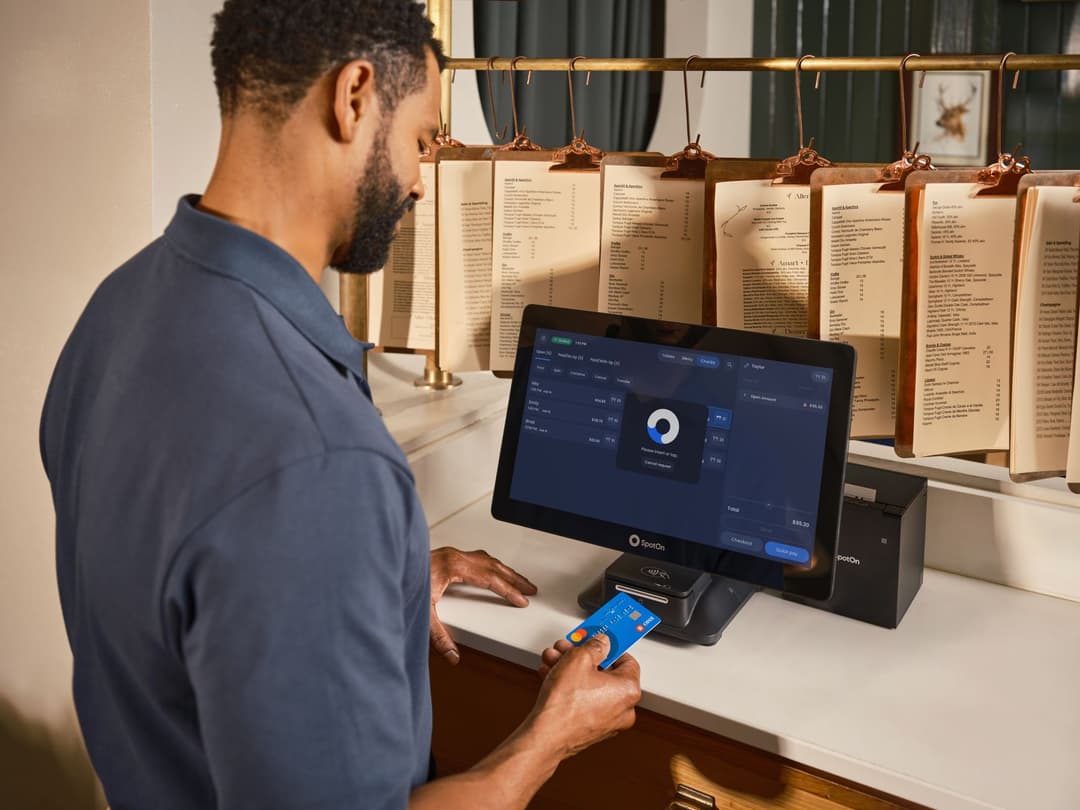
Quotation details that reduce follow-up questions and approval delays
The best quotations reduce friction in the buyer's internal process. In many SMEs and mid-sized businesses, the person requesting the quotation is not the only decision-maker. Finance, management, procurement, or technical reviewers may also need to assess it.
The following details commonly reduce follow-up questions and approval delays:
-
Complete buyer contact information
- Include the customer company name and the intended contact person.
- If relevant, include department, site, or branch.
- This is especially useful when one customer group has multiple locations or purchasing contacts.
-
Clear item descriptions
- Avoid short or generic line items when the actual product or service has important specifications.
- For services, describe scope, duration, frequency, or deliverables.
- For products, include model, size, packaging, unit, or specification where relevant.
-
Validity date
- A quotation without a validity date leaves uncertainty around price and acceptance timing.
- Buyers often need this for internal approval routing.
- Example: "This quotation is valid for 14 days from the issue date."
-
Transparent pricing structure
- Show unit price, quantity, discount, tax treatment, and total clearly.
- If optional items or alternative options are included, separate them visibly.
- This helps buyers compare scenarios without asking for a revised quote.
-
Terms and conditions relevant to the transaction
- Payment terms such as "30 days from invoice date"
- Delivery lead time such as "7 working days after order confirmation"
- Service assumptions such as "installation excluded unless stated"
- Warranty or support scope where relevant
-
Seller company details
- Include the legal company name and standard business contact details.
- In some cases, buyers also expect registration or tax-related reference details depending on their internal process.
-
Named sales contact
- Buyers should know exactly who to contact for clarification.
- This is especially important when quotations are forwarded internally.
These details may seem basic, but they directly affect how quickly a buyer can move from enquiry to approval.
Practical quotation examples for common SME sales scenarios
Different business models need different levels of detail, but the principle is the same: include enough information for a buyer to review, approve, and proceed without guessing.
For a distributor:
- Customer: Alpha Engineering Sdn Bhd, attention to Mr. Lim, Maintenance Department
- Item: Safety gloves, nitrile-coated, size L, 12 pairs per box, quantity 20 boxes
- Commercial note: Delivery within 3 working days subject to stock availability
- Validity: 14 days from quotation date
For a supplier of industrial materials:
- Item: Stainless steel sheet SUS304, 2mm x 4ft x 8ft, quantity 15 sheets
- Pricing: RM price per sheet, subtotal, delivery charge, tax, total
- Terms: Prices exclude unloading at site
- Contact: Direct salesperson email and phone number for technical clarification
For a service business:
- Item: Preventive maintenance service for 4 units of ceiling cassette air conditioners
- Scope: Inspection, cleaning, filter servicing, performance check
- Exclusion: Major parts replacement not included
- Timing: Service to be scheduled within 10 working days after confirmation
For a small manufacturer:
- Item: Custom metal bracket, mild steel, powder coated black, based on drawing ref MB-112
- Quantity: 500 units
- Lead time: 21 days after approved drawing and deposit receipt
- Terms: Quote based on supplied drawing revision A
In each case, the quotation becomes more useful when it reflects the actual transaction context instead of a minimal list of prices.
For related reading on keeping product information aligned with quoting accuracy, see Quoting Mistakes Distributors Should Avoid When Product Details Change.
Common quotation gaps that weaken buyer confidence
Many quotation problems are not caused by pricing itself. They are caused by missing operational details.
Common gaps include:
- incomplete customer names or outdated contact persons
- item descriptions copied from old records without current specifications
- missing quote validity dates
- unclear payment or delivery terms
- totals shown without explanation of discounts or tax treatment
- quotations issued under the wrong company entity
- no clear salesperson or department contact for follow-up
These gaps can make a buyer wonder whether other parts of the transaction will also be inconsistent. If the quotation looks uncertain, buyers may expect problems later in order processing, delivery, invoicing, or after-sales support.
This is why quotation quality is closely linked to data quality. Customer records, product details, catalog information, and company profile data all affect how professional and reliable the final document appears.
If customer details are incomplete, related downstream issues can also appear during billing. See Customer Master Data Mistakes That Disrupt Billing and E-Invoicing.

How TREX Grow Can Help Solve This
TREX Grow can help sales teams prepare clearer, more consistent quotations by bringing together the data that buyers expect to see.
A practical approach looks like this:
-
Start with complete customer records
- Confirm the correct customer company name, billing or site details, and main buyer contact.
- Use customer records so the quotation is addressed accurately from the start.
- This reduces avoidable mistakes when customers have multiple branches or contacts.
-
Use quotation templates for structure consistency
- Build templates that include standard sections for item details, validity, terms, and contact information.
- This helps sales teams avoid leaving out essential fields on urgent quotations.
-
Pull item details from product and catalog records
- Use existing product descriptions, codes, units, and relevant specifications.
- For catalog-based selling, make sure line items reflect current product information and pricing logic.
- This helps sales teams quote faster without relying on manual copy-paste.
-
Keep company profile data accurate
- Ensure the right company name, address, and standard business details appear on the quotation.
- This is especially important for businesses operating across more than one entity.
-
Standardise commercial terms
- Save common payment terms, lead time wording, exclusions, or service notes in a consistent format.
- Teams can then apply the correct terms depending on the customer or quotation type.
-
Review pricing clarity before sending
- Check that unit prices, discounts, taxes, and totals are visible and easy to understand.
- Where optional items exist, separate them clearly to reduce revision requests.
-
Include the right sales contact details
- Make sure the buyer can identify who prepared the quotation and how to follow up.
- This helps when a quotation is shared across procurement, finance, and management.
In practical terms, TREX Grow supports more professional quotation workflows by helping teams work from cleaner customer, company, product, and catalog data rather than rebuilding every quotation manually.
If your team also depends on current product information for quotation accuracy, read Why B2B Buyers Now Expect Self-Service Product Discovery and Why Real-Time Stock Visibility Matters in B2B Sales.
A practical benchmark for better quotation workflows
A strong digital quotation should help a buyer say, "I have what I need to review this internally." That is a useful benchmark for sales teams.
Before sending a quotation, check whether it clearly shows:
- correct buyer details
- complete seller company details
- specific item or service descriptions
- pricing breakdown and totals
- validity date
- relevant payment or delivery terms
- named contact person for follow-up
When these details are present, buyers can review faster, approve with more confidence, and return with fewer clarification requests.
For SMEs that want more consistent quotation quality, the opportunity is not to make quotations more decorative. It is to make them more complete, more accurate, and easier to act on. TREX Grow can help teams move in that direction with structured templates, cleaner records, and more reliable quotation preparation workflows.
If your business is looking to improve quotation professionalism without adding manual admin, it is worth exploring how TREX Grow supports clearer quotation workflows.