
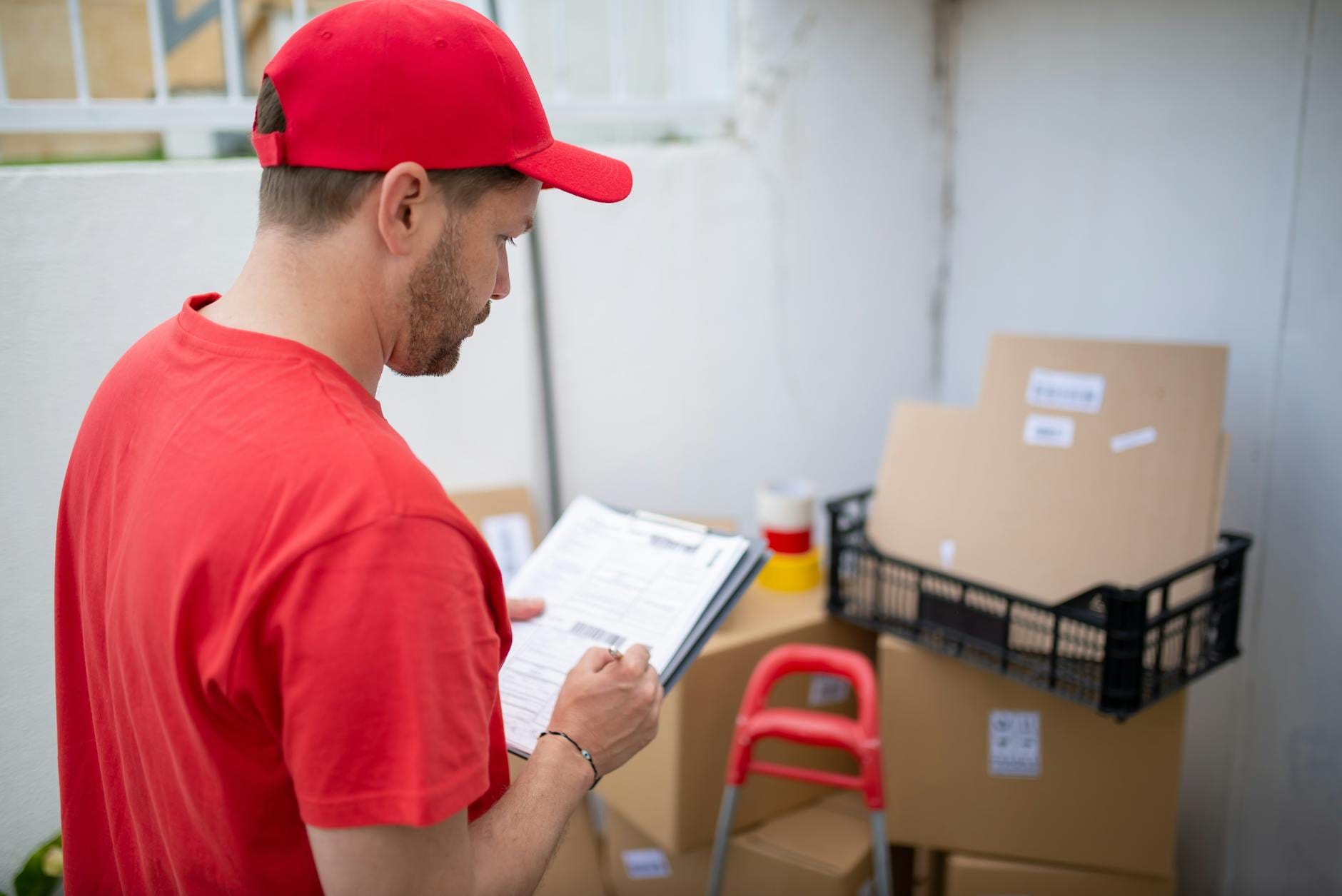
Delivery orders are often treated as routine paperwork, but they play a critical role in keeping sales, warehouse, and finance aligned. For product-based SMEs, distributors, and suppliers, a well-managed delivery order helps confirm what was sent, what the customer received, and what can be billed with confidence. This article explains how delivery orders support fulfilment accuracy, reduce disputes, and strengthen invoice preparation. It uses practical document workflow examples to show why this record matters long after goods leave the warehouse.
What a delivery order actually does
A delivery order is more than a dispatch slip. In product-based businesses, it is the operational record that connects the sales transaction to the physical movement of goods.
When used properly, a delivery order helps teams confirm:
- which items were prepared for delivery
- the quantities sent
- the delivery date
- the delivery destination
- who released the goods
- who received the goods, when applicable
For sales admins, this document helps confirm that the order moved beyond quotation and approval into actual fulfilment. For warehouse coordinators, it provides a controlled picking and release reference. For finance teams, it becomes part of the evidence chain that supports invoice preparation.
Without that shared document trail, each department may rely on different assumptions. Sales may believe the order is complete, warehouse may know only part of it shipped, and finance may issue an invoice based on the original sales order rather than the items actually delivered.
Why delivery orders improve fulfilment accuracy
Fulfilment errors rarely start with the truck leaving late. More often, they begin when document workflows are weak. A delivery order gives warehouse teams a practical checkpoint between order approval and invoice creation.
In day-to-day operations, this matters because item delivery often changes at the last minute. Examples include:
- one line item is out of stock and will follow later
- the customer accepts only part of the order on the first delivery
- substitute items are agreed before dispatch
- quantities are corrected during picking
- damaged units are removed before loading
If those changes are captured clearly on the delivery order, the business has a reliable record of what was actually fulfilled.
Example:
A distributor receives an order for 100 units across 5 SKUs. During picking, the warehouse finds that 1 SKU is short by 8 units. The delivery order is updated to reflect the actual quantities loaded and sent. That single update prevents three downstream problems:
- sales does not promise that all items were delivered
- finance does not invoice the missing 8 units by mistake
- warehouse has a traceable record for the backorder follow-up
This is where delivery orders become operationally valuable. They are not just proof that goods went out. They are the structured document that keeps the fulfilment record aligned with reality.
If your team also manages inbound controls, related discipline on the receiving side matters too. See Why Purchase Orders Fail Without Strong Receiving Control.
How delivery orders support proof of fulfilment
Customer disputes often happen because the business can show that goods were planned for delivery, but not that they were actually received or released correctly. A delivery order helps close that gap.
Depending on the workflow, proof of fulfilment may include:
- the delivery order number
- dispatch date and time
- vehicle or driver reference
- item quantities delivered
- customer stamp, name, or signature
- notes on shortages, damaged items, or rejected goods
For suppliers and distributors, this matters when a customer later says:
- "We never received this item"
- "The quantity was different from the invoice"
- "Only part of the order arrived"
- "Your invoice came before delivery was completed"
A signed or acknowledged delivery order does not solve every dispute, but it gives the business a factual starting point. It shows what was released, what was accepted, and whether exceptions were recorded at the point of delivery.
Example:
A supplier delivers 20 cartons to a retail customer. On arrival, the customer accepts 18 cartons and rejects 2 due to visible damage. If the driver or receiving staff notes this directly on the delivery order and obtains acknowledgment, finance can bill only the accepted quantity while operations investigates the rejected stock. Without that note, the business may issue a full invoice and trigger an avoidable dispute.
Where stock movement records also need to be corrected after exceptions, it helps to distinguish between standard movement records and correction workflows. Related reading: Stock Entry vs Inventory Adjustment: What’s the Difference?.
Why finance should care before the invoice is issued
Many billing disputes are not finance problems at the start. They are document alignment problems that reach finance too late.
A finance team preparing invoices for delivered goods needs confidence that:
- the delivery actually happened
- the quantities billed match the quantities fulfilled
- partial deliveries are handled correctly
- special delivery notes are reflected before invoicing
- supporting records exist if the customer challenges the invoice
A delivery order gives finance a practical control point before invoice issuance. Instead of billing from the sales order alone, the team can validate the billable quantity against what was delivered.
This is especially important in scenarios such as:
- partial shipment invoicing
- staged delivery across multiple dates
- customer-requested split deliveries
- rejected or damaged goods on arrival
- urgent dispatches processed outside the normal routine
A simple comparison framework can help:
| Document | Main purpose | Key billing question |
|---|---|---|
| Sales order | Confirms what the customer ordered | What was requested? |
| Delivery order | Confirms what was sent or accepted | What was actually fulfilled? |
| Invoice | Requests payment | What should be billed now? |
Example:
Sales enters an order for 50 pumps. Warehouse dispatches 35 on Monday and 15 on Thursday. If finance invoices all 50 on Monday without checking the delivery order, the customer may dispute the invoice immediately. If finance uses the delivery order as the billing reference, the first invoice can cover 35 units and the second can cover the remaining 15 after fulfilment is confirmed.
This discipline also helps when follow-up documents are needed later. If a billing correction becomes necessary, teams are in a much stronger position when the original fulfilment record is clear. Related reading: Invoice vs Credit Note vs Debit Note vs Refund Note.

How delivery orders reduce friction between sales, warehouse, and finance
In many SMEs, disputes between departments happen because each team works from a different document milestone.
- Sales focuses on what was sold.
- Warehouse focuses on what was picked and released.
- Finance focuses on what is ready to bill.
The delivery order helps synchronize those milestones.
When managed consistently, it reduces common internal conflicts such as:
- sales asking why an invoice has not been issued for undelivered items
- warehouse being blamed for short delivery that was actually documented correctly
- finance chasing approvals because fulfilment exceptions were never recorded clearly
- customer service struggling to answer complaints without a reliable delivery record
A practical workflow for SMEs often looks like this:
- Sales confirms the customer order.
- Warehouse prepares goods against the order.
- Delivery order is issued with item-level quantities.
- Dispatch exceptions are updated before or at handover.
- Customer acknowledgment or delivery status is recorded.
- Finance invoices based on fulfilled quantities, not assumptions.
This is not about adding bureaucracy. It is about making sure one document carries the operational truth from dispatch to billing.
For businesses already improving front-end sales workflows, document accuracy should start early as well. See How Product Catalogs and RFQ Workflows Improve B2B Enquiry Handling.
Best practices for managing delivery orders in SMEs
For distributors, suppliers, and product-based SMEs, the most useful improvements are usually simple and procedural.
Best practices include:
- use a unique delivery order number for every shipment
- list item codes, descriptions, and quantities clearly
- record partial delivery and rejected quantity separately
- capture dispatch and receiving dates consistently
- require acknowledgment where operationally possible
- make delivery notes available to finance before invoicing
- avoid editing records without traceable revision history
- link the delivery order back to the sales order and invoice reference
It also helps to standardize exception notes. Free-text comments like "short" or "pending" can create confusion later. More specific entries such as "5 units backordered" or "2 units rejected due to carton damage" are much easier for finance and operations to act on.
If your current workflow depends heavily on chat messages, paper copies, or verbal updates, review where the delivery order gets disconnected from billing. That break is often where preventable disputes begin.
Delivery orders are small documents with big operational impact
Delivery orders may look routine, but they play a central role in fulfilment accuracy and billing confidence. They help businesses document what left the warehouse, what the customer accepted, and what finance can invoice without guesswork.
For SMEs, distributors, and suppliers, that matters because small documentation gaps can create large downstream costs: delayed payment, credit note rework, stock confusion, and avoidable tension between departments.
When delivery orders are handled as a core workflow document rather than a dispatch formality, teams gain a clearer record of item delivery, stronger proof of fulfilment, and a more reliable basis for invoice preparation.