
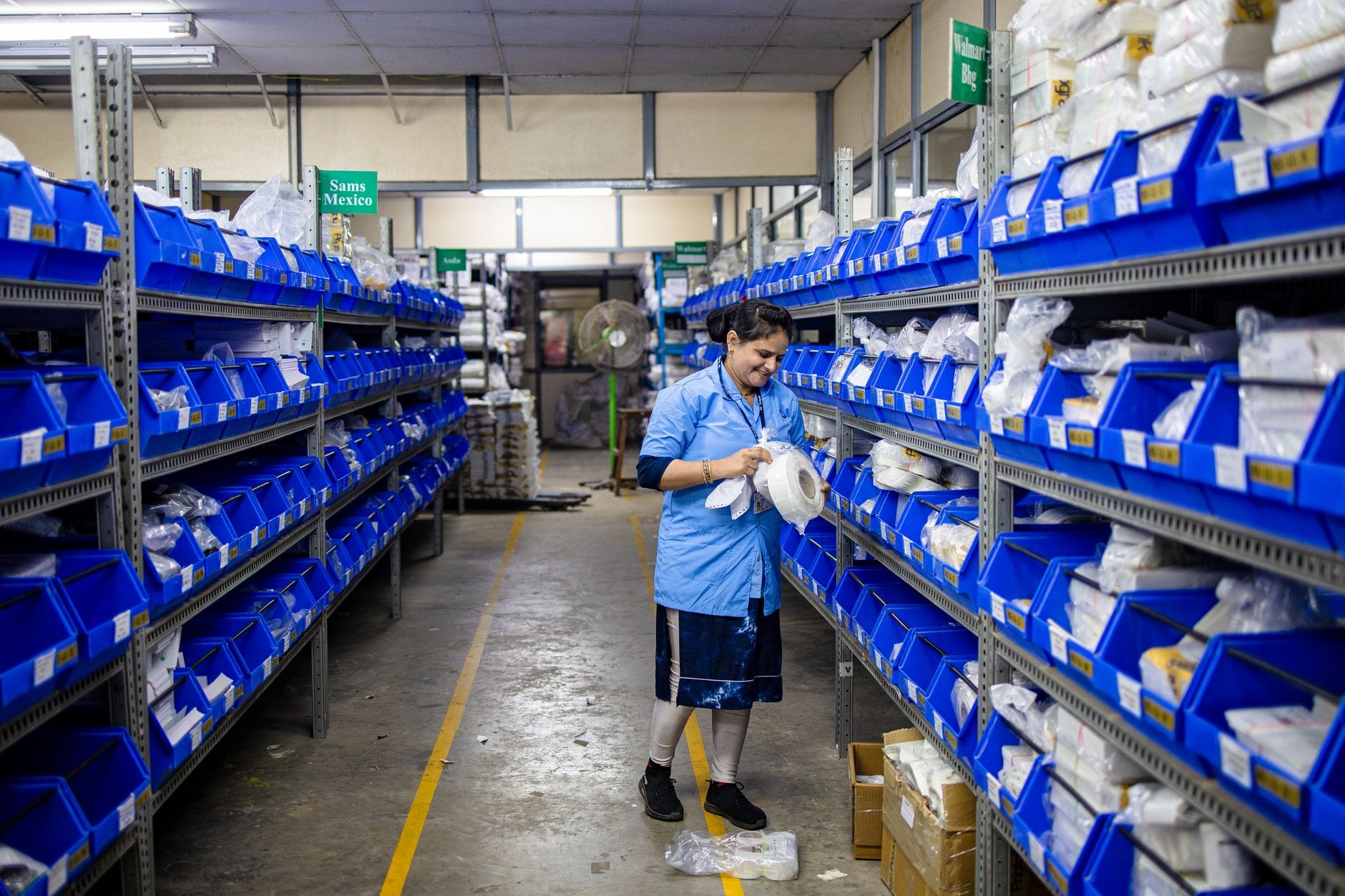
As SME warehouses grow, simple storage habits often stop working long before teams notice the operational cost. When stock is stored without clear location records, picking slows down, count variances increase, and misplaced items become harder to investigate. This guide explains why bins, racks, zones, and warehouse areas matter for stock traceability, what risks appear when locations are not controlled, and how teams can apply practical location discipline in TREX Grow using locations, inventory records, stock entries, and stock adjustments.
Why location control becomes important earlier than many SMEs expect
Many SMEs start with simple storage because it feels practical at the beginning. A small team can often remember where items are kept, especially when stock volume is low and only a few people handle receiving and picking. The problem is that this memory-based method usually breaks before the business feels ready for formal warehouse control.
Once more products, more staff, and more daily stock movement are involved, warehouse activity becomes harder to manage through habit alone. Fast-moving items get placed in temporary spaces, mixed storage areas become crowded, and older stock may be hidden behind newer receipts. At that point, the issue is not only where stock is stored. The issue is whether the business can still trace stock reliably.
Location-based inventory gives teams a structured way to record where stock belongs and where it actually moved. That structure helps warehouse managers answer practical questions such as:
- Which rack or bin holds the available stock for this SKU?
- Which zone contains damaged goods that should not be picked?
- Which area is being used for overflow storage?
- Which location should be checked first during a stock count?
- Where was the missing stock last recorded?
For SMEs moving from simple storage to more controlled operations, this is often the point where bins, racks, zones, and warehouse areas start to matter as operating controls rather than just physical labels.
How bins, racks, zones, and warehouse areas improve stock traceability
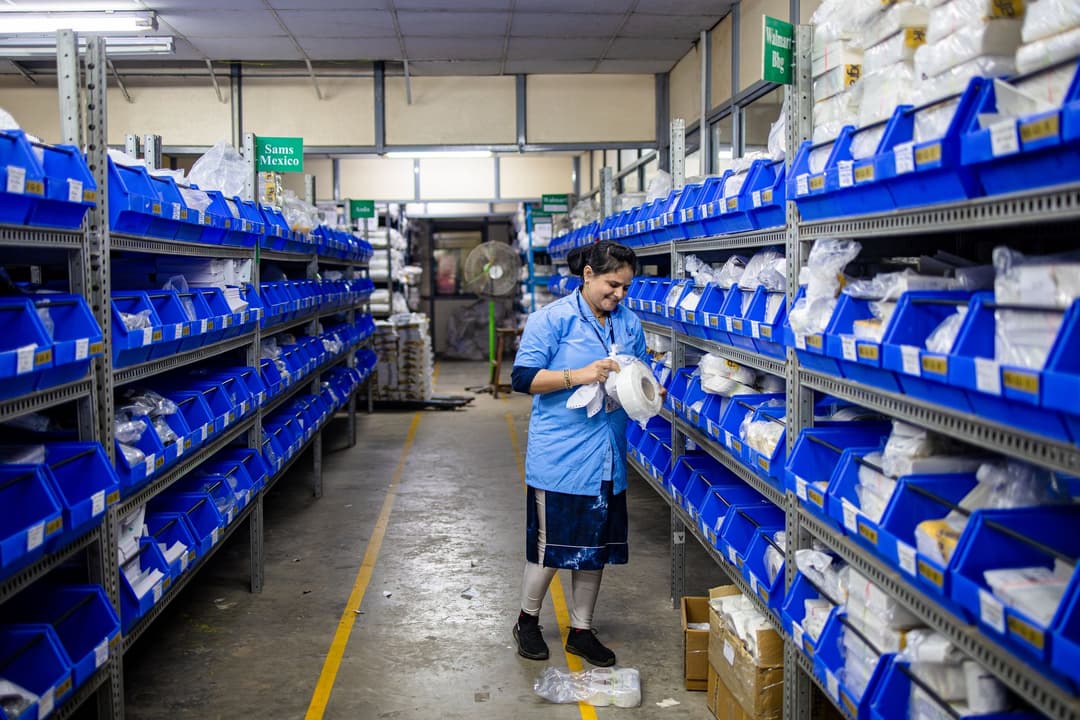
Location-based inventory works best when storage is broken into practical layers. The naming method can stay simple, but each layer should help staff narrow down where stock is placed and how it should be handled.
A common structure looks like this:
| Location layer | Example | Why it helps |
|---|---|---|
| Warehouse area | Receiving, bulk storage, picking, returns | Separates broad activity types |
| Zone | Zone A, Zone B, cold room, damaged area | Groups stock by storage rules or workflow |
| Rack | Rack R01, Rack R02 | Identifies vertical storage positions |
| Bin or shelf | B01, S03, L2 | Pinpoints the exact put-away or pick point |
This structure improves traceability in several ways:
- It shortens search time. Instead of asking staff to look around the warehouse, teams can direct them to a defined location.
- It reduces informal storage decisions. Temporary placements are more visible when stock should be tied to a specific area.
- It makes exceptions easier to isolate. Damaged goods, returned items, and count discrepancies can be placed in separate zones.
- It supports cleaner stock investigations. When a quantity does not match, the team has a last known storage point to review.
Consider a fast-moving item such as packing tape or a popular spare part. If it is stored in multiple unlabeled places because demand is high, pickers may take stock from the nearest carton without recording the movement clearly. Over time, one area may appear empty while another still holds stock that no one checks. With location discipline, the team can define the main picking bin, overflow rack, and reserve area so replenishment and stock checks become more consistent.
This also connects well with broader stock control practices discussed in why-small-inventory-variances-become-bigger-business-problems, where small inconsistencies often begin with unclear movement history.
What goes wrong when stock is stored without clear location records
When stock locations are not recorded properly, warehouse problems usually appear as daily friction before they appear in reports. Teams spend more time searching, checking, asking, and rechecking. That operational drag often increases quietly.
Common risks include:
- Misplaced inventory that still exists physically but cannot be found quickly
- Fast-moving items stored in multiple unofficial spots
- Mixed storage areas where saleable stock and damaged goods sit too close together
- Slower picking because staff depend on memory or verbal instructions
- Longer receiving time because put-away locations are not defined
- More stock count disputes because counters do not know where to begin
- Incorrect replenishment decisions because available stock is hidden in the wrong area
A practical example is a mixed storage corner used for overflow. At first, it seems useful because staff can place incoming cartons there when racks are full. But if that corner is not treated as a recorded location, items placed there can disappear from normal picking flow. Sales may think stock is unavailable, purchasing may reorder unnecessarily, and warehouse staff may only rediscover the cartons during a later count.
Another example involves damaged goods. If damaged items are left beside normal stock without a clearly separate area, the team may accidentally pick them for delivery or include them in saleable quantity assumptions. The stock issue is not only product condition. It is the lack of location-based separation.
These problems also affect coordination with other functions. When enquiries or commitments depend on stock visibility, location confusion makes it harder to answer confidently. Related issues are explored in how-distributors-keep-online-b2b-enquiries-inventory-records-aligned.
Practical examples of location discipline in daily warehouse work
Location discipline does not need to be complex to be effective. For most SMEs, it starts with a few repeatable rules that staff can follow during receiving, storage, picking, counting, and exception handling.
Here are practical examples:
Fast-moving items Assign a primary picking bin for fast-moving SKUs and a separate overflow or reserve location. This helps staff know where to pick first and where replenishment should come from. It also reduces the habit of scattering the same item across multiple unrecorded spots.
Mixed storage areas If a warehouse uses a shared area for different product groups, divide it into simple zones and label them clearly. Even basic zone discipline can reduce confusion when products have different turnover, handling rules, or ownership status.
Damaged goods Create a clearly named damaged goods area and use it consistently. Do not leave damaged items in active picking space. This makes review easier and reduces the risk of mixing non-saleable stock with normal inventory.
Stock counts During stock counts, location-based records help teams count by area instead of by memory. Counters can work zone by zone, rack by rack, or bin by bin. That structure reduces missed shelves and helps supervisors isolate where differences are coming from.
Misplaced inventory When stock cannot be found, the investigation becomes more practical if the system shows the last recorded location. The team can first check the assigned bin, then the overflow area, then adjacent racks, then any quarantine or returns area. Without this sequence, staff often search the entire warehouse with no clear starting point.
Useful operating rules may include:
- Every stock item should be tied to a defined storage location
- Temporary storage should still use a named overflow location
- Damaged or quarantined items should be separated from saleable stock
- Stock counts should be reviewed by location, not only by item code
- Adjustments should be investigated with reference to the recorded area
The goal is not to create perfect warehouse behavior. The goal is to make stock movement more visible and easier to control as volume increases.
How TREX Grow Can Help Solve This
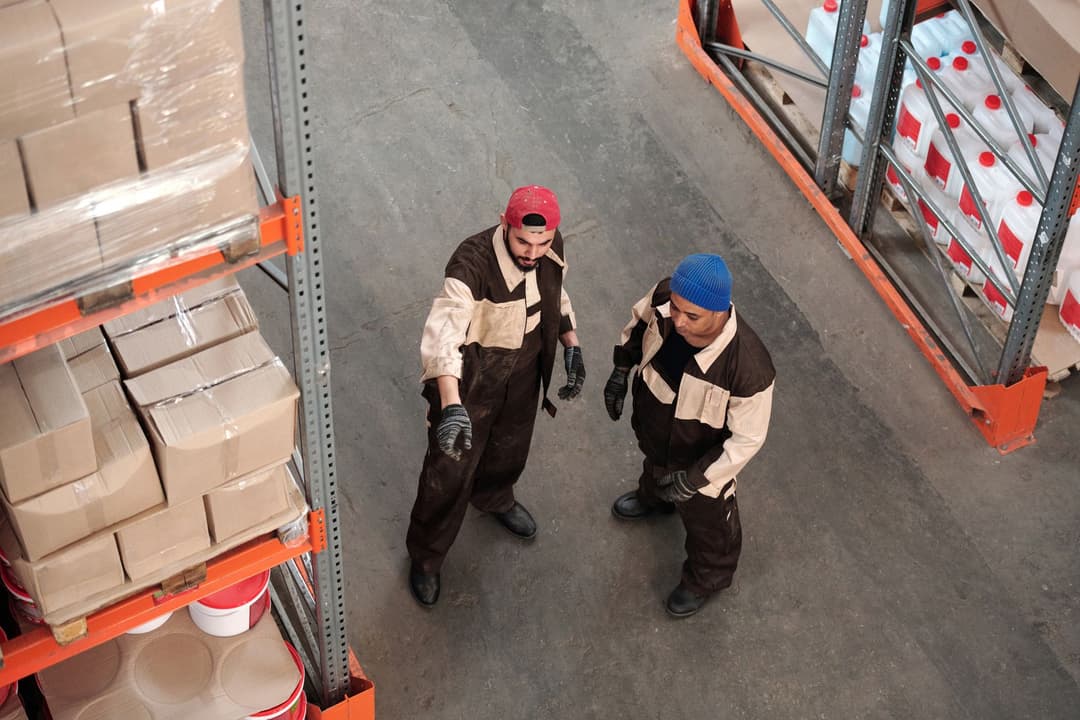
TREX Grow can help SMEs build better location discipline by connecting locations, inventory records, stock entries, and stock adjustments in a more structured workflow. This is especially useful for businesses that are growing beyond simple storage but are not ready to run warehouse activity through memory, spreadsheets, and verbal updates alone.
A practical setup approach in TREX Grow can look like this:
- Define storage locations clearly Create locations that reflect how the warehouse actually works. Keep names simple and easy for staff to follow, such as:
- Receiving Area
- Zone A Rack 1 Bin 01
- Zone A Rack 1 Bin 02
- Overflow Area
- Damaged Goods Area
- Stock Count Quarantine
-
Keep inventory records tied to the right location context When inventory records are maintained with clear location references, teams gain better visibility into where stock is expected to be held. This makes daily checks and exception reviews more practical.
-
Record stock entries into the correct area from the start When goods are received, use stock entries to place them into the intended location instead of relying on later memory. This helps reduce the common problem of stock arriving physically but being stored in whichever open space is available without a record.
-
Use stock adjustments carefully when investigating differences If count variances or misplaced stock issues appear, stock adjustments should reflect what was found and where the issue occurred. This creates a clearer trail than informal corrections and supports better follow-up.
-
Separate exception stock from normal stock Use dedicated locations for damaged goods, returns review, or count investigation areas. This helps teams avoid accidental picking from questionable stock and makes warehouse status easier to understand.
-
Review recurring problem locations If the same area repeatedly produces count differences or misplaced items, that is usually a sign of weak process discipline, poor labeling, or overcrowding. TREX Grow records can help teams spot those patterns earlier.
For related process discipline around returns and exception handling, readers may also find what-should-happen-after-goods-are-returned-to-suppliers and credit-note-workflow-guide-cleaner-product-returns useful.
The practical benefit is not just cleaner records. It is a more controlled way to tie warehouse movements to the right area so stock is easier to trace, count, and review.
A simple way to start without overcomplicating the warehouse
SMEs do not need an advanced warehouse redesign to get value from location-based inventory. A simple rollout is often more effective than trying to label everything at once.
A manageable starting plan could be:
-
Identify your main warehouse areas Start with broad operational areas such as receiving, active picking, bulk storage, returns, and damaged goods.
-
Label the highest-impact racks and bins first Focus on fast-moving items, mixed storage areas, and locations that often create confusion.
-
Standardize put-away rules Make sure staff know where each item category should go and what to do when the normal location is full.
-
Tie receipts and corrections to locations consistently Use stock entries and stock adjustments with location discipline instead of updating quantity only.
-
Count by location regularly Cycle counts become easier to manage when a supervisor can review one zone or rack group at a time.
This kind of phased approach helps warehouse teams improve control without creating a complicated system that staff ignore. It also supports clearer internal ownership as the business grows and more people become involved in receiving, picking, and stock review.

Closing thoughts
When warehouse operations are still small, it is easy to assume that remembering where stock sits is good enough. But once item range, movement volume, and team size increase, unclear storage quickly becomes an operational risk. Bins, racks, zones, and warehouse areas help turn storage into something traceable rather than something staff must rediscover every day.
For SMEs moving toward more controlled inventory operations, location-based discipline is often one of the most practical improvements to make early. It helps teams investigate misplaced inventory, separate damaged goods, manage fast-moving stock more reliably, and run stock counts with better structure.
If your warehouse is starting to outgrow simple storage habits, TREX Grow is worth exploring as a practical way to support more controlled inventory location tracking without overcomplicating daily work.