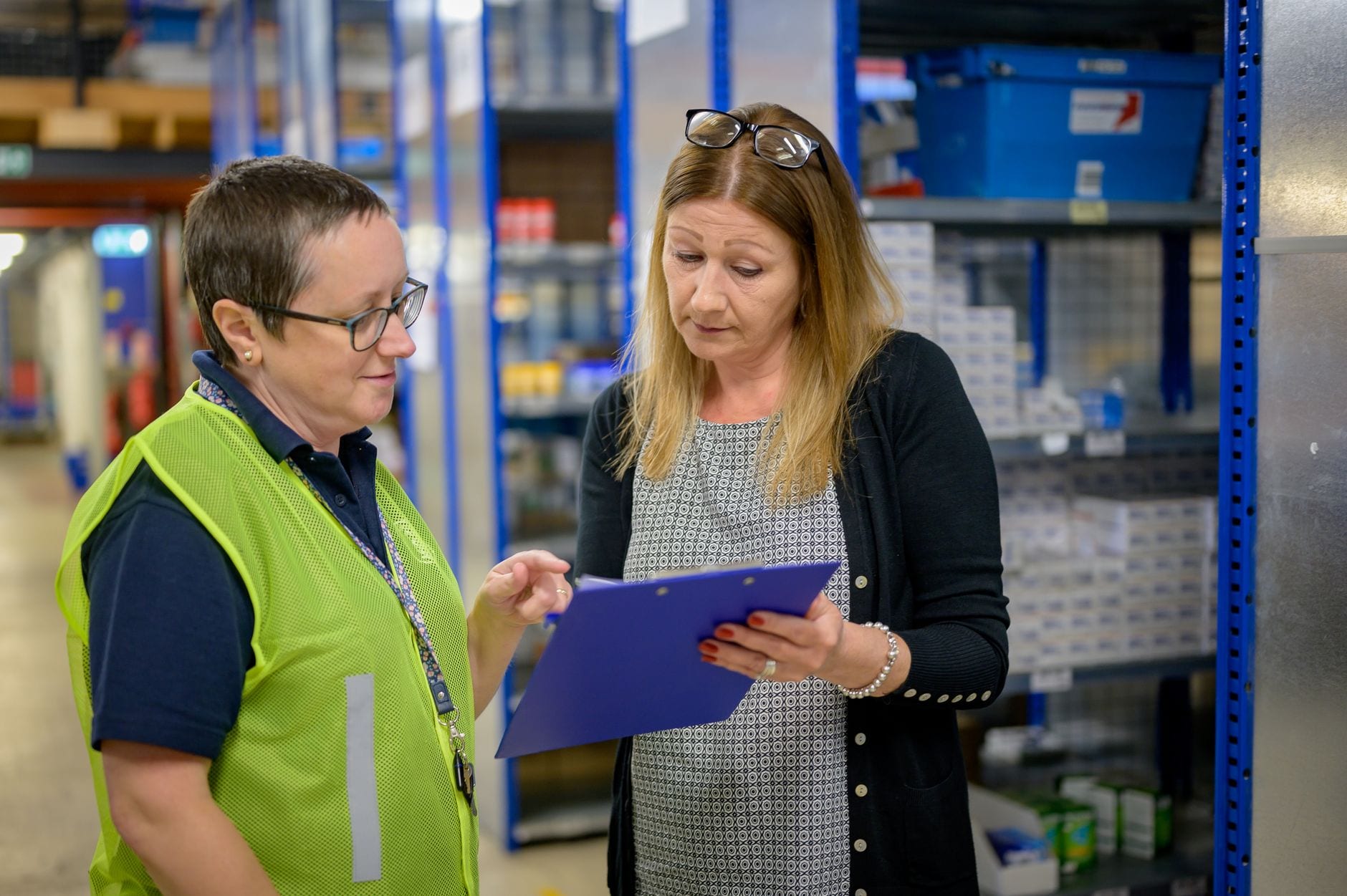
When a customer cancels or reduces an order after stock has been reserved or picked, sales and warehouse teams need a clear process for deciding what happens next. Releasing stock too early can create fulfilment problems, while leaving cancelled stock reserved can make available inventory look lower than it really is. A simple handover between sales and warehouse helps Malaysian SMEs keep stock availability accurate before accepting the next order.
Why A Customer Cancellation Changes More Than The Sales Order
A customer cancellation may begin with the sales team, but its impact can continue into the warehouse if stock has already been reserved, set aside, or picked for that order.
Consider a distributor that receives an order for 30 units of a product. Sales confirms the order and the warehouse sets those 30 units aside. Before dispatch, the customer cancels the order. If sales updates the order but nobody tells the warehouse what to do with the reserved stock, those units may continue to appear unavailable even though there is no longer an active customer requirement.
The opposite problem is also possible. Stock may be released for another customer while the warehouse still has the original items picked and waiting for instructions. This creates the risk of promising the same physical stock twice.
The practical objective is therefore not simply to mark an order as cancelled. Sales and warehouse teams need a shared decision about whether the affected stock should be released, held, returned to its location, or reviewed before being reused. A connected sales-document workflow helps keep the order change visible to the teams responsible for fulfilling it.
Different Order Changes Need Different Stock Decisions
Not every customer-order change should be handled in exactly the same way. The right stock action depends on what has already happened operationally.
For a full cancellation before dispatch, reserved stock may be able to return to normal availability once the warehouse confirms that nothing has already left the premises.
For a reduced order quantity, only the cancelled portion should be reconsidered. If a customer reduces an order from 20 units to 12, the remaining eight units may need to be released while the other 12 stay allocated to the order.
If the stock has already been picked but not delivered, the warehouse should first confirm where those items are physically located. They may need to be returned to their original shelf or bin before they are treated as available for another order.
A replacement order creates another variation. The customer may cancel one product but immediately request another item instead. The original stock should not simply disappear from the workflow. Sales should record the change, and the warehouse should confirm what happened to both the cancelled item and the replacement requirement.
These examples show why a reliable stock management workflow should reflect operational changes rather than relying only on verbal updates.
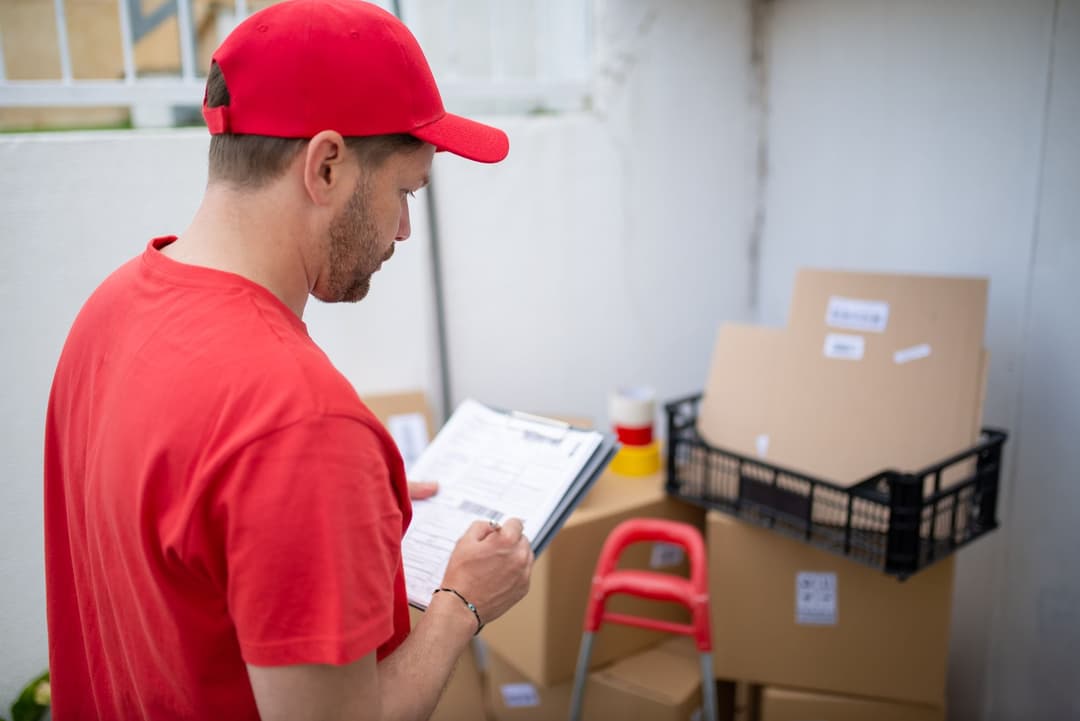
A Simple Decision Path For Released Or Returned Stock
When an order is cancelled or reduced, teams can use a short decision path rather than creating a complicated exception process.
Start by asking whether the affected quantity is still physically available and whether it has already been reserved, picked, packed, or dispatched.
A practical decision path can be:
- If the stock was reserved but never picked, confirm that the cancelled quantity can be released back into available stock.
- If the stock was already picked but remains in the warehouse, hold it temporarily until its location and condition are confirmed, then return it to the appropriate storage location where required.
- If only part of the order was cancelled, keep the quantity still required for the active order and release only the reduced portion.
- If the customer requested a replacement order, review whether any of the original stock remains required before releasing it.
- If there is uncertainty about the physical quantity, item condition, location, or dispatch status, review the stock before making it available for reuse.
The important point is that cancellation should trigger a stock decision, not an assumption. Depending on the situation, the correct action may be release, hold, return, or review.
Sales And Warehouse Need A Clear Handover
A short sales note can prevent a large amount of confusion when an order changes.
For example, sales may record that customer order SO-1058 has been reduced from 50 units to 35 units before dispatch. The warehouse note can identify the affected product, the 15-unit reduction, whether those units were already picked, and what action is required next.
The warehouse then confirms the physical status rather than relying only on the revised sales quantity. If the 15 units are still on their normal shelf, they may be released after the order record is updated. If they are sitting in a picking area, warehouse staff may first need to return them to the correct location.
This is especially useful for Malaysian distributors, retailers, and service-parts businesses where the same product may be promised to several customers during the same day. A visible handover helps sales understand what is genuinely available before committing stock to another buyer.

How TREX Grow Can Help Solve This
TREX Grow can support a clearer connection between customer-order changes and the stock information teams use when deciding what can be promised next.
A practical workflow can include:
- Review the affected sales order to confirm whether the customer has cancelled the full order, reduced a quantity, or requested a replacement item.
- Check the relevant reserved and available stock information so the team understands how much inventory is currently tied to the order and what remains available elsewhere.
- Record the cancellation or revised quantity in the sales-order context instead of leaving the original requirement unchanged.
- Coordinate with the warehouse to confirm whether the affected stock is still in its location, already picked, temporarily held, or ready to be returned before it is reused.
- Confirm the current available quantity before accepting another customer order for the same product.
TREX Grow does not require teams to assume that every cancelled order can simply be reversed automatically. The operational status still matters, especially when physical stock has already moved.
For SMEs that want sales-order changes and stock availability to be easier to review together, explore TREX Grow for a more connected way to manage sales documents, warehouse coordination, and current stock availability.

Keep The Process Simple But Visible
Customer cancellations are normal, but unclear stock handling can create unnecessary availability problems.
The process does not need many approval layers. What matters is that sales records the change, warehouse confirms the physical status, and the business decides whether the affected quantity should be released, held, returned, or reviewed.
Before promising the same product to another customer, confirm the current quantity rather than assuming that cancelled stock is immediately reusable. This small operational discipline helps keep sales commitments aligned with what the warehouse can actually fulfil.