

Payment terms should be confirmed before an invoice is released so the customer, sales team, and finance team are working from the same due-date expectation. By carrying the agreed term through the quotation, sales order, delivery, and invoice workflow, Malaysian B2B SMEs can reduce avoidable billing questions and keep payment follow-up based on the same commercial context.
Payment Terms Should Be Clear Before Billing Starts
Payment terms are easiest to manage when they are agreed and recorded before the invoice is sent. If sales expects payment on delivery but finance prepares an invoice with net-30 terms, the customer receives a different expectation from the one discussed earlier.
The same problem can happen in reverse. A customer may have been given 30 days to pay, but the invoice is prepared with an earlier due date because the agreed term was never carried forward from the quotation or sales order.
For Malaysian B2B suppliers, distributors, and project-based SMEs, payment-term control is therefore part of the sales-document workflow. The objective is not to enforce a policy after a disagreement begins. It is to make sure the quotation, order, delivery, invoice, and payment follow-up all reflect the same agreed commercial terms.
Different Sales Situations Need Different Payment Expectations
Not every customer or transaction follows the same payment arrangement. One customer may pay on delivery, while another operates on net-30 terms. A project-based order may require a deposit before production begins, with the remaining balance invoiced later.
A customer may also request a different term for a particular order. For example, a regular net-30 customer might ask for 45 days on a larger project. That exception should be reviewed by the appropriate owner before the invoice is prepared rather than being added informally at billing stage.
Timing matters as well. A delivery may already be completed before finance prepares the invoice. If the due date is calculated without checking the original agreement, the customer may receive an unexpected payment deadline. Keeping the payment term visible throughout the quotation-to-invoice workflow helps reduce this disconnect.

Use A Short Payment-Term Confirmation Checklist
Before releasing an invoice, the team should confirm a few practical details:
- Agreed payment term, such as payment on delivery, deposit plus balance, or net-30
- Invoice due date based on that agreed term
- Customer contact responsible for receiving or discussing the invoice
- Source document where the term was agreed, such as the quotation or sales order
- Approval required if the current term is an exception to the normal arrangement
This check is especially useful when several people are involved. An account manager may negotiate the term, a sales administrator may prepare the order, and finance may issue the invoice. The checklist gives each person a common reference instead of relying on memory or separate chat messages.
Confirm Exceptions Before They Reach The Invoice
Payment-term exceptions should be resolved before the invoice becomes the customer's first clear view of the change. Suppose a customer normally receives net-30 terms but asks for net-45 on a particular project. Sales can record the request and route it to the appropriate owner for review before billing.
The same applies to deposits. If a production order requires a 30 percent deposit before work starts, that expectation should appear in the relevant sales context rather than being introduced only after the invoice is created. Once the deposit is handled and the remaining amount becomes billable, finance can prepare the next invoice using the agreed arrangement.
A connected quotation and invoice workflow helps teams carry this context forward so an exception is less likely to disappear between sales and finance.
Make The Invoice Due Date Match The Agreed Term
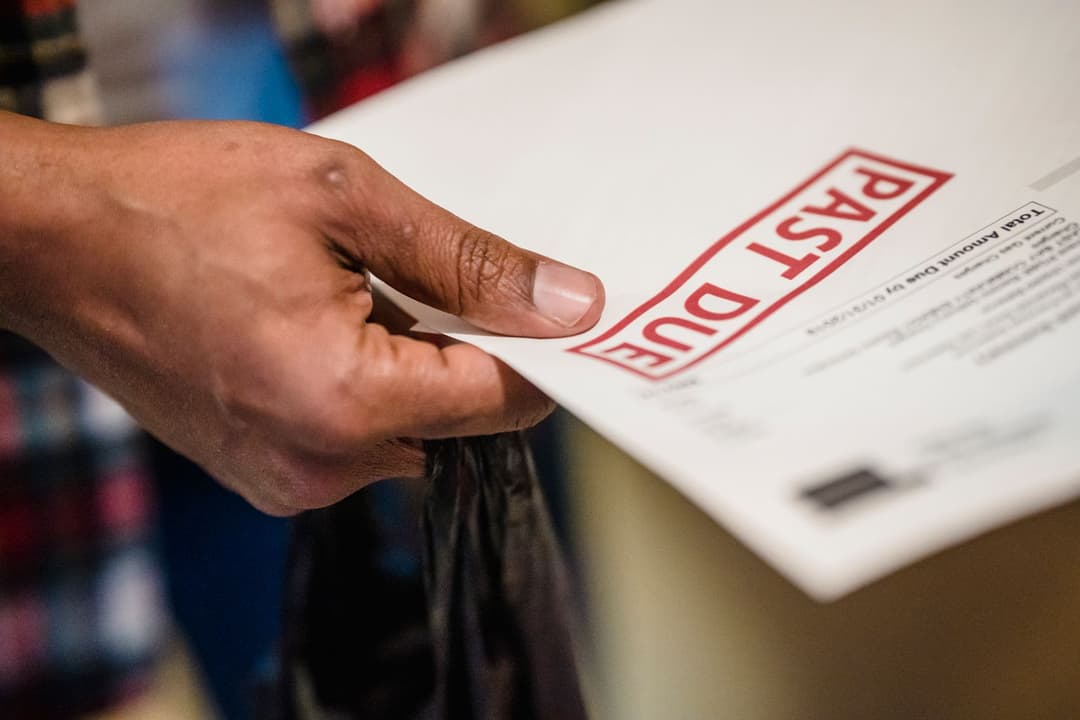
The payment term and invoice due date should tell the same story. If the agreed term is net-30, the due date should be set according to that arrangement. If payment is due on delivery, the invoice should not unexpectedly show a later credit period unless the term has been changed and approved.
This becomes important when delivery happens before billing. Imagine goods are delivered on 5 September but the invoice is only prepared on 8 September. The team should check how the agreed term is intended to work rather than automatically choosing a date without reference to the sales context.
Once the final term is confirmed, the customer invoice should reflect it clearly. Finance and account managers can then use the same information during later payment follow-up instead of debating which date or agreement should apply.
How TREX Grow Can Help Solve This
TREX Grow can support clearer payment-term handling by keeping quotation, sales-order, invoice, and payment-follow-up records connected within the same sales workflow.
A practical process can include:
- Record the agreed payment term in the relevant sales document, such as the quotation or sales order, while the customer arrangement is still being confirmed.
- Check the term and source document before preparing the invoice so finance can see the commercial context behind the billing decision.
- Set the invoice due date according to the confirmed payment term rather than relying on an unrelated default or assumption.
- Review any requested exception with the appropriate owner, then carry the approved final term into the customer invoice.
- Use the same invoice and payment-term context for later payment follow-up so sales and finance refer to the same agreed due-date expectation.
The aim is not to make payment terms complicated. It is to prevent a customer from receiving an invoice that contradicts what was agreed earlier in the sales process. SMEs that want clearer connected quotation, invoicing, and payment-follow-up workflows can explore TREX Grow for more consistent sales-document control.