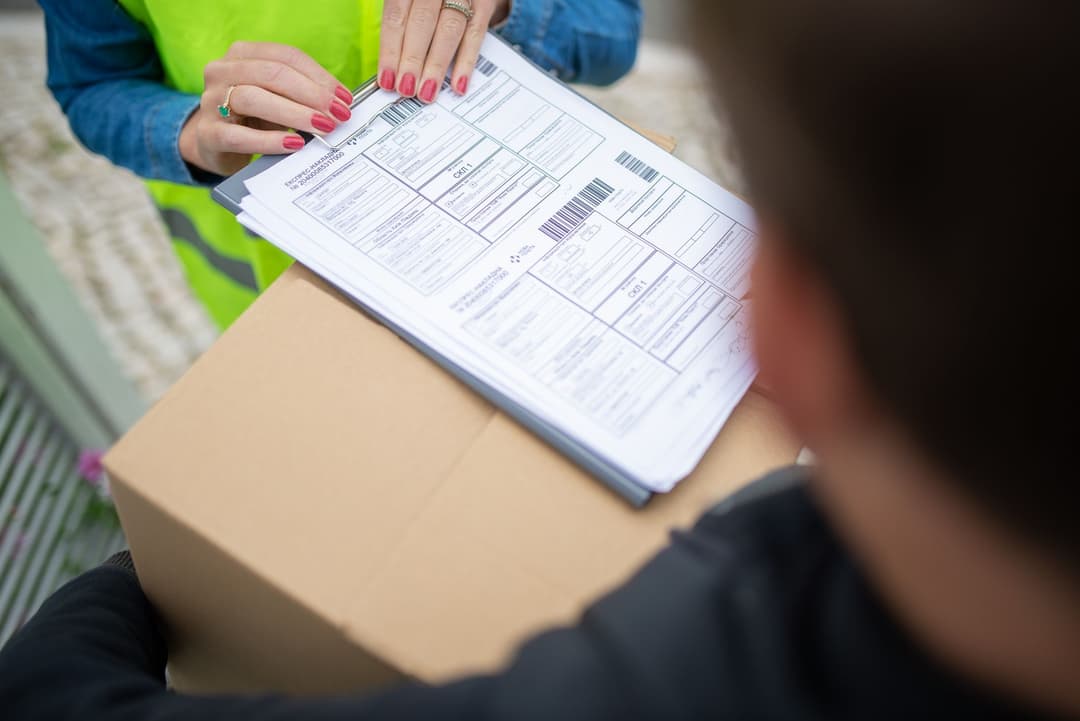

A final delivery-address check helps sales, warehouse, and dispatch teams confirm that goods are going to the correct recipient, site, and receiving point before they leave the premises. For Malaysian SMEs, this simple shared control can reduce failed deliveries, rushed corrections, and confusion between billing and delivery details.
Why Delivery Address Checks Belong Before Dispatch
A delivery address can look complete and still be wrong for the actual shipment. A customer may have moved warehouses, a project site may have several receiving entrances, or the person who normally accepts deliveries may no longer be responsible. If these details are only checked by the driver after leaving, the correction is already late.
For Malaysian distributors, suppliers, retailers, and project-based SMEs, delivery verification works best as a shared sales-and-warehouse control. Sales or customer-service staff usually have the latest customer context, while warehouse and dispatch teams need a clear final document they can act on. The handover should confirm where the goods are going, who should receive them, and whether any site-specific instruction matters before loading is completed.
This is also where a connected sales-document workflow becomes useful: customer, sales-order, and delivery information can be reviewed as one operational sequence instead of being reassembled from separate messages.
Common Address Problems That Cause Avoidable Delivery Errors
Small address changes can create large operational problems when they are missed. Consider a customer that has shifted stock receiving from an old warehouse in Shah Alam to a new site in Klang. If the customer master record or delivery order still shows the previous location, the goods may be dispatched correctly according to the document but still arrive at the wrong place.
Other cases are less obvious. A construction or industrial site may have a main office entrance and a separate loading bay. A long-standing contact person may have changed roles, leaving the driver unable to reach the right receiver. A billing address may accidentally be copied into the delivery field even though the customer receives goods at another branch.
Same-day amendments need particular care. If a customer calls in the morning to change the site, sales should update the current delivery information and make sure dispatch receives the revised document before the truck leaves. A message in a chat thread is not enough if the operational document still shows the old details.

A Short Pre-Dispatch Delivery Check
A useful final check should be short enough to follow consistently. Before dispatch, confirm:
- Recipient or customer name
- Site or branch name
- Address lines
- Postcode
- Contact person and current phone details
- Delivery date
- Special instructions such as loading-bay access, receiving hours, gate entry, or a named receiving point
The purpose is not to make staff re-verify every customer record from scratch. It is to confirm that the current shipment matches the latest known instructions. If something has changed, update the delivery details before the warehouse treats the document as final.
Keep Sales Context Connected To The Dispatch Document
The delivery address should be checked together with the linked sales-order context. This helps staff understand whether the delivery is going to the customer's normal location, a one-off project site, a branch, or another approved receiving address.
For example, a sales order may have been created for a customer's Penang branch even though the account's billing address is in Kuala Lumpur. If the delivery document is prepared without checking the sales-order context, the wrong address can be selected even when both addresses are valid. The same applies to project-based businesses where each job may have a different site contact and receiving instruction.
Warehouse teams also benefit when the document handover is part of a defined dispatch workflow. The dispatch copy should represent the latest agreed delivery details, not an earlier version that staff have to interpret against later messages.

How TREX Grow Can Help Solve This
TREX Grow can support a more dependable delivery-document workflow by keeping customer, sales-order, delivery, and receiving details connected through clear records.
A practical process can include:
- Review the customer record and delivery-order details before dispatch, including the intended recipient, site, address, postcode, date, and contact person.
- Update the current delivery address when the shipment is going to a new warehouse, branch, project site, or revised receiving point instead of relying on an outdated default.
- Check the linked sales-order context so the delivery location and customer instructions match the transaction being fulfilled.
- Share the final delivery document with the dispatch or warehouse team after amendments are complete, reducing the chance that an older version is used.
- Record delivery completion with the correct recipient information so the operational record reflects who actually received the goods and where the delivery was completed.
For SMEs formalising their sales and warehouse processes, these steps create a clearer handover between the people who know the customer details and the people who physically release the goods. A sensible next step is to explore TREX Grow if your team wants more dependable delivery-document workflows without adding unnecessary process.