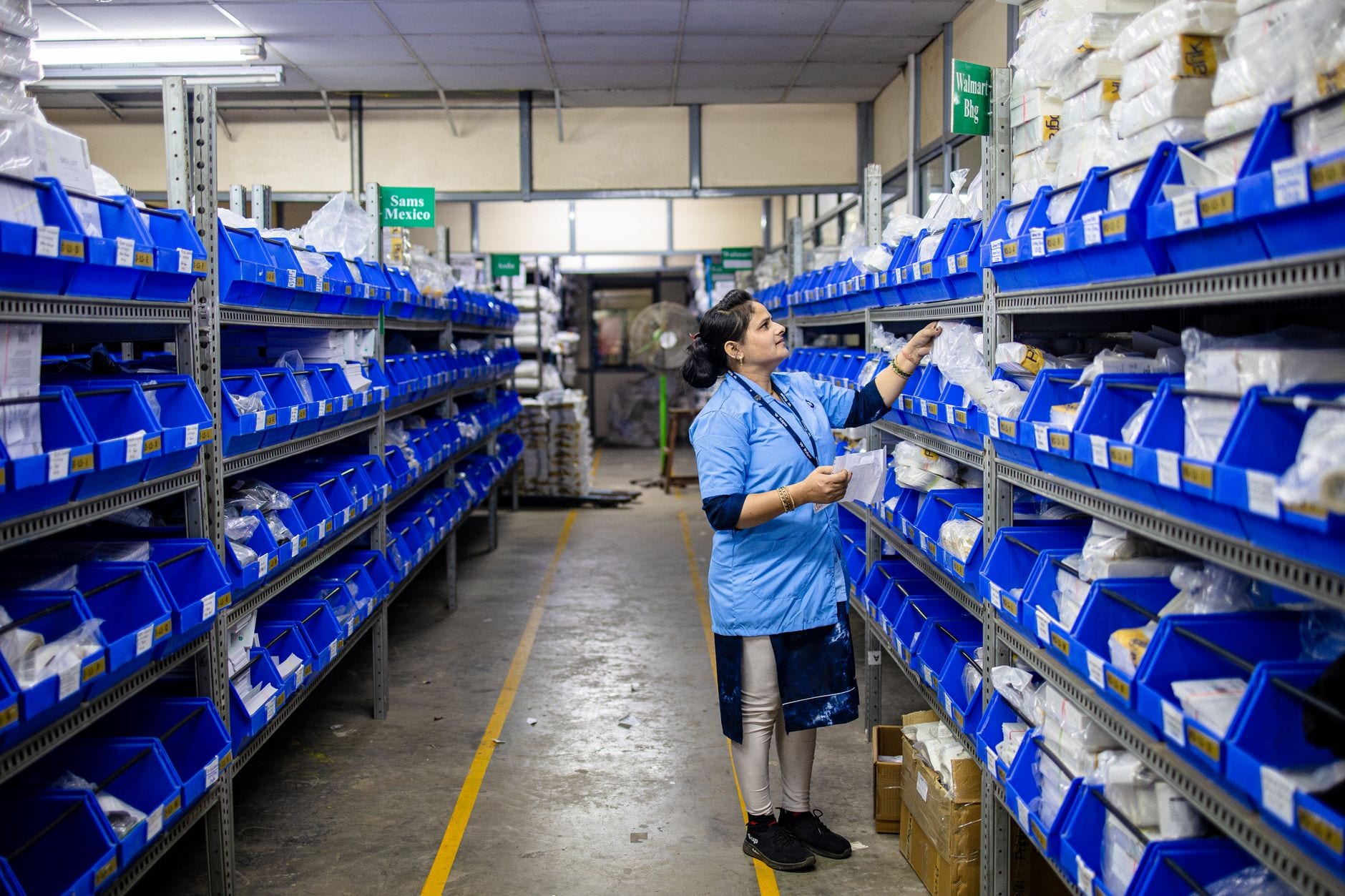
An expected delivery date is useful only when someone reviews it and follows up when circumstances change. For Malaysian distributors, retailers, and light-manufacturing SMEs, a simple routine for checking upcoming, overdue, and revised supplier deliveries helps purchasing, warehouse, and operations teams react earlier when stock may not arrive as planned.
An Expected Delivery Date Needs An Owner
Adding an expected delivery date to a purchase order creates a useful planning point, but the date should not simply sit on the document until the goods arrive.
Someone in purchasing or operations should be responsible for checking whether the supplier is still expected to meet that date and recording any change that affects the business.
For example, a distributor may order a fast-moving product for replenishment with delivery expected next Tuesday. If the supplier advises on Friday that the shipment will be delayed by another week, purchasing should record the latest information rather than leaving the original date unchanged.
This matters because warehouse planners may be preparing receiving space, sales may be relying on the incoming stock for customer orders, and operations may be arranging work around the expected arrival. A clear purchase order workflow gives teams a common record for the order, expected date, and latest supplier information.
Late Supplier Deliveries Affect More Than Purchasing
A delayed purchase order can create several downstream problems even when the supplier delay itself is outside the SME's control.
Consider a retailer waiting for a replenishment order before existing stock runs low. If the expected arrival slips but the change is not noticed, sales staff may continue assuming replacement stock is coming on time.
A light manufacturer may be waiting for a component needed for a scheduled production job. A distributor may have already told a customer that an item should be available after the next supplier delivery. The warehouse may also schedule staff or receiving space around a delivery that is no longer arriving that day.
The purpose of follow-up is therefore not simply to chase suppliers. It is to identify changed information early enough that internal teams can adjust their own plans.

Use A Short Weekly Delivery Review
A weekly review can give purchasing teams enough structure to catch problems without turning supplier follow-up into a complicated process.
Review these groups:
- Deliveries due within the next several working days
- Purchase orders already past their expected delivery date
- Orders where the supplier has requested a changed date
- Orders where only part of the expected quantity has arrived
- Supplier follow-ups that are still waiting for a reply
- Items linked to customer commitments, production needs, or urgent replenishment
For each order, confirm who owns the next action. A delivery due soon may only need confirmation. An overdue order with no supplier reply may require another follow-up. A changed delivery date should be recorded so warehouse and operations teams are not still planning around the old date.
This kind of review works particularly well when purchasing information is part of a broader procurement workflow rather than being spread across purchase orders, personal messages, and separate spreadsheets.
Changed Dates Should Replace Assumptions With Current Information
Suppliers sometimes need to move an expected delivery date. The operational priority is to make the latest information visible rather than continuing to work from the original plan.
For example, a supplier may initially confirm delivery for 18 August but later request a move to 22 August because part of the order is not ready. Purchasing should record the new information and note whether the change applies to the entire order or only certain items.
The team should then consider what depends on that delivery. If one item is needed for a customer order, sales or operations may need to know about the revised timing. If the warehouse prepared space for the original arrival, receiving plans may need to change.
If the supplier does not reply and the expected date passes, the order should become part of the overdue review rather than disappearing from attention simply because no new date has been provided.

Escalate Late Deliveries Based On Business Impact
Not every late purchase order needs the same level of attention. A low-priority replenishment order with adequate stock on hand may tolerate a short delay, while an item required for a confirmed customer order may need faster follow-up.
For example, purchasing may first send a routine confirmation request when an expected delivery date approaches. If the date passes without goods or a supplier response, the buyer can follow up again and record that the order is overdue.
If the item is needed for an imminent customer commitment or production requirement, the delay can be escalated internally so operations knows the risk and the supplier follow-up receives appropriate priority.
The important point is that escalation should be based on the impact of the missing goods and the lack of current information, not simply on blaming the supplier after the delay has already affected the business.
How TREX Grow Can Help Solve This
TREX Grow can help SMEs keep expected supplier deliveries, purchase orders, receiving records, and follow-up information more connected.
A practical workflow can include:
- Set the expected delivery date on the purchase order so purchasing, warehouse, and operations have a visible planning date.
- Assign or record the relevant buyer or supplier contact so the team knows who is responsible for obtaining updates when the date approaches.
- Review purchase orders that are due soon or overdue and update the latest supplier information when a delivery date, quantity, or status changes.
- Record the actual receipt when goods arrive so the planned delivery can be compared with what physically reached the warehouse.
- Compare the ordered and received quantities so partial deliveries remain visible instead of being mistaken for completed orders.
This gives teams a clearer operational trail from expected delivery through supplier follow-up and actual receipt.
Malaysian SMEs that want better visibility between supplier orders and warehouse receiving can explore TREX Grow for a more organised way to track expected dates, changed information, overdue orders, and received quantities.

Close The Loop With The Actual Receipt
The follow-up process should end when the business records what actually arrived, not simply when the supplier says the delivery is on the way.
If a purchase order expected 100 units but only 70 arrive, the receiving record should reflect the 70 units physically received. The remaining 30 units may still require a new expected date and continued supplier follow-up.
Comparing planned and received quantities also helps warehouse and purchasing teams distinguish between a fully completed order and a partial receipt that still has outstanding items.
A simple routine of setting the expected date, reviewing it, recording supplier updates, and confirming the actual receipt gives SMEs a more reliable picture of what stock is really on its way and what still needs attention.