
Recurring supplier bills can become easy to approve without much review because they appear every month, quarter, or year. A simple routine helps Malaysian SMEs check whether the supplier, amount, service period, due date, payment terms, and responsible owner still make sense before a bill is paid or renewed. This makes duplicate charges, changing fees, disputed invoices, and upcoming cash commitments easier to identify.
Why Recurring Bills Still Need Regular Review
Recurring bills can feel predictable, which is exactly why they are easy to approve without checking closely. Software subscriptions, equipment maintenance, utilities, rent, service contracts, freight arrangements, and cleaning services may appear every month, quarter, or year, but the amount, service period, payment terms, or responsible owner can still change.
For example, a software subscription may renew annually at a new amount. An equipment maintenance provider may issue a quarterly invoice covering a different service period. A recurring freight invoice may vary because the number of deliveries changed. Even rent and utilities should still be checked against the current billing period and amount before payment.
A regular review routine gives accounts-payable staff and business owners a chance to confirm that the bill is expected, supported, and ready for payment instead of treating every recurring charge as automatically correct. A structured supplier invoice management process can make these records easier to compare over time.
What To Check Before A Recurring Bill Is Paid Or Renewed
A useful recurring-bill review focuses on a small number of operational details rather than creating a lengthy approval process.
For each bill, confirm:
- Supplier name and the service or expense involved
- Current invoice amount
- Due date
- Payment terms
- Service or billing period
- Supporting bill or document
- Person responsible for reviewing or following up on the charge
- Previous payment history where relevant
- Current outstanding amount
These checks help separate normal recurring charges from invoices that need attention. For example, an RM800 monthly cleaning invoice may be expected, while a second RM800 invoice for the same service period should be checked for duplication before payment.
The same approach works for utilities, maintenance, rent, freight, and subscription services. The aim is not to question every supplier relationship each month. It is to make sure the current bill still matches what the business expects to pay.
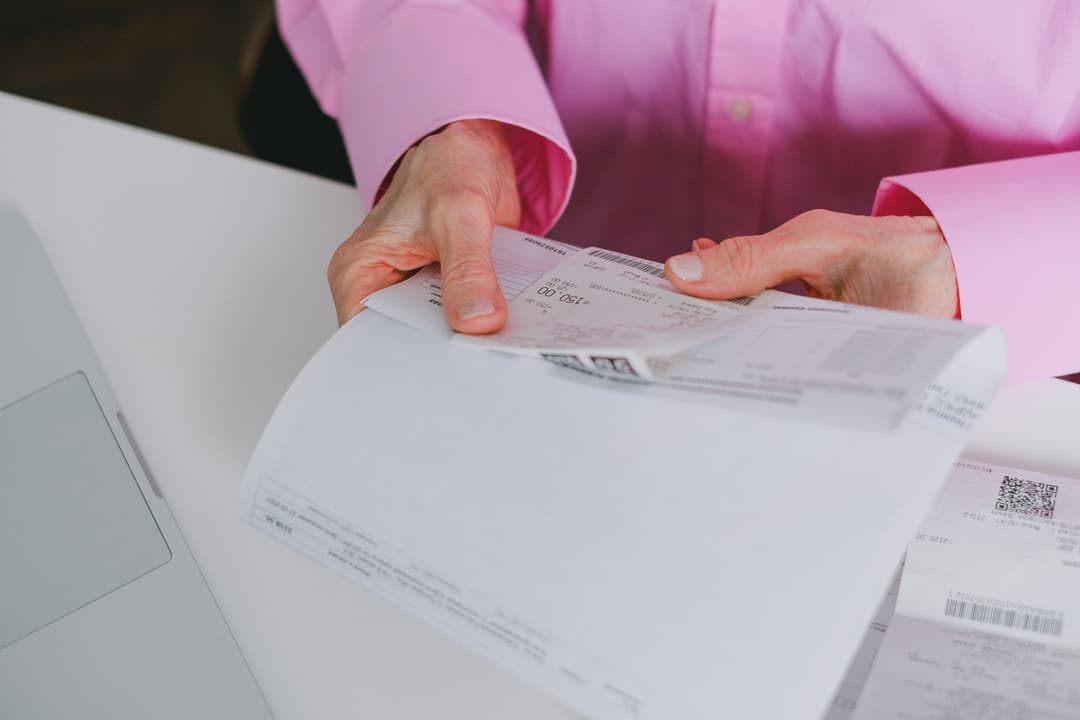
Use A Simple Monthly Review Checklist
A monthly recurring-bill review becomes easier when charges are grouped by the action they need rather than reviewed as one undifferentiated list.
A practical checklist can separate bills into four groups:
- Essential: expected recurring bills that match the normal supplier, amount, service period, and payment terms
- Changing: bills where the amount, service period, renewal date, or terms have changed and should be reviewed before payment
- Duplicate: charges that appear to cover the same supplier, service, or billing period as another invoice
- Disputed: bills that should remain unresolved until the business clarifies a quantity, amount, service period, or other difference with the supplier
For Malaysian SMEs formalising their accounts-payable routine, this monthly review can be done before major payment runs or at a consistent point near month end.
The key is to assign a next action. An essential bill may simply proceed through the normal process. A changing bill may need owner confirmation. A suspected duplicate should be checked against prior invoices and payments. A disputed bill should remain visible until the issue is resolved.
Previous Payment History Provides Useful Context
Recurring charges are easier to review when the current supplier invoice can be compared with what happened previously.
Suppose a company normally receives a monthly freight invoice of around RM3,000 to RM3,500. The latest invoice is RM5,200. The higher amount may be completely valid because shipment activity increased, but the difference gives the reviewer a reason to check the supporting bill and service period before confirming payment.
Payment history also helps identify whether a bill may already have been settled. If the same supplier reference or service period appears against a previous payment, the accounts-payable team can investigate before creating another payment record.
For annual services, previous records can also show when the last renewal was paid and what amount was charged. This creates useful operational context without relying on an employee remembering what happened twelve months earlier.
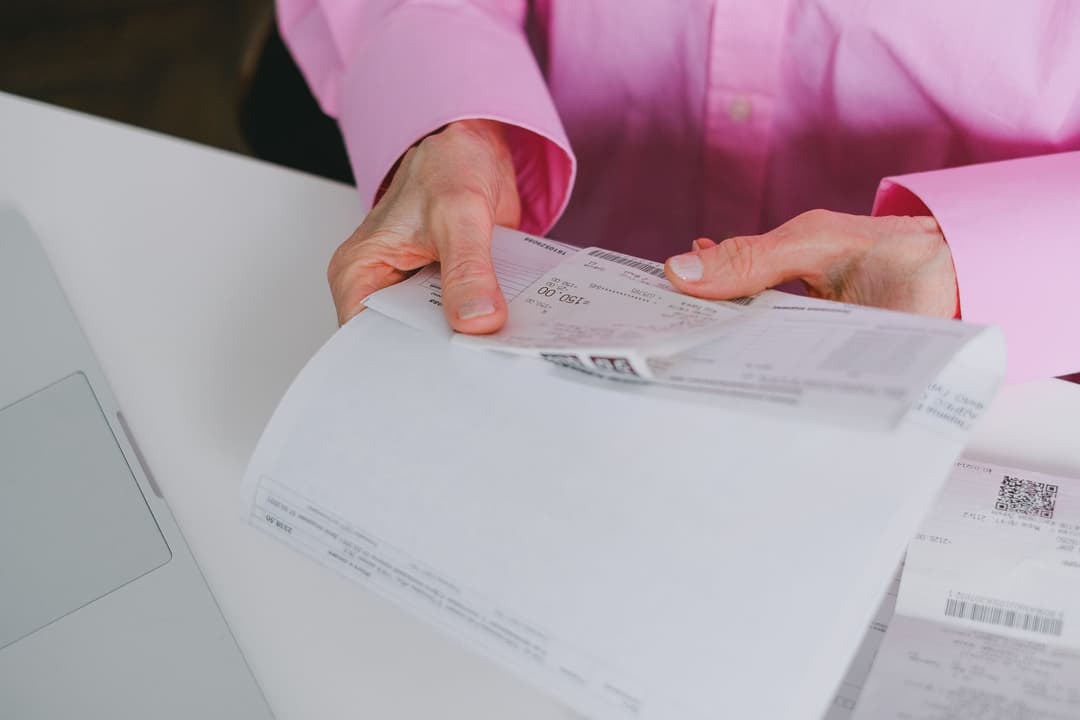
Recurring Bills Also Affect Near-Term Cashflow Visibility
Recurring supplier bills are not only historical records. Their due dates and outstanding balances also help owners understand what cash commitments are approaching.
A business may have rent due at the beginning of the month, several software subscriptions renewing during the same week, a maintenance contract due quarterly, and recurring freight invoices falling due shortly afterward. Individually, these may all be normal expenses. Together, they can create a concentrated period of outgoing payments.
Keeping the due date, payment terms, and current outstanding balance visible gives owners a clearer picture of what is approaching. This supports better cashflow visibility for SMEs without turning the recurring-bill review into a general budgeting exercise.
The practical habit is to review what is already committed, what has changed, and what still needs clarification before payment dates arrive.

How TREX Grow Can Help Solve This
TREX Grow can help SMEs keep recurring supplier bills, supporting documents, payment information, and outstanding balances organised in a more consistent workflow.
A practical process can include:
- Record the supplier invoice with the supplier, amount, reference, and relevant service or billing information.
- Set or review the due date and payment terms so the team can see when the bill is expected to be settled.
- Attach the supporting bill or related document so the reviewer can check the charge without searching through separate folders or messages.
- Review prior payment history and assign the next action, such as proceed, clarify, hold, or follow up with the responsible internal owner.
- Check the current outstanding balance so owners and finance staff can see which supplier bills remain unpaid.
For recurring invoices, these records make it easier to compare the current bill with earlier ones and identify changes before renewal or payment.
Malaysian SMEs that want a more organised accounts-payable routine can explore TREX Grow for clearer supplier-bill records, supporting documents, payment history, and visibility of current outstanding amounts.