Customer details are collected too late
Customer details are collected only after the sale, so staff rush to complete buyer information during invoice issuance.

Many e-Invoice problems do not start at submission. They start earlier, when quotations, customer details, stock movement, approvals, and invoices are handled separately. This guide explains the common mistakes Malaysian SMEs make and the practical workflow changes that help reduce rework.
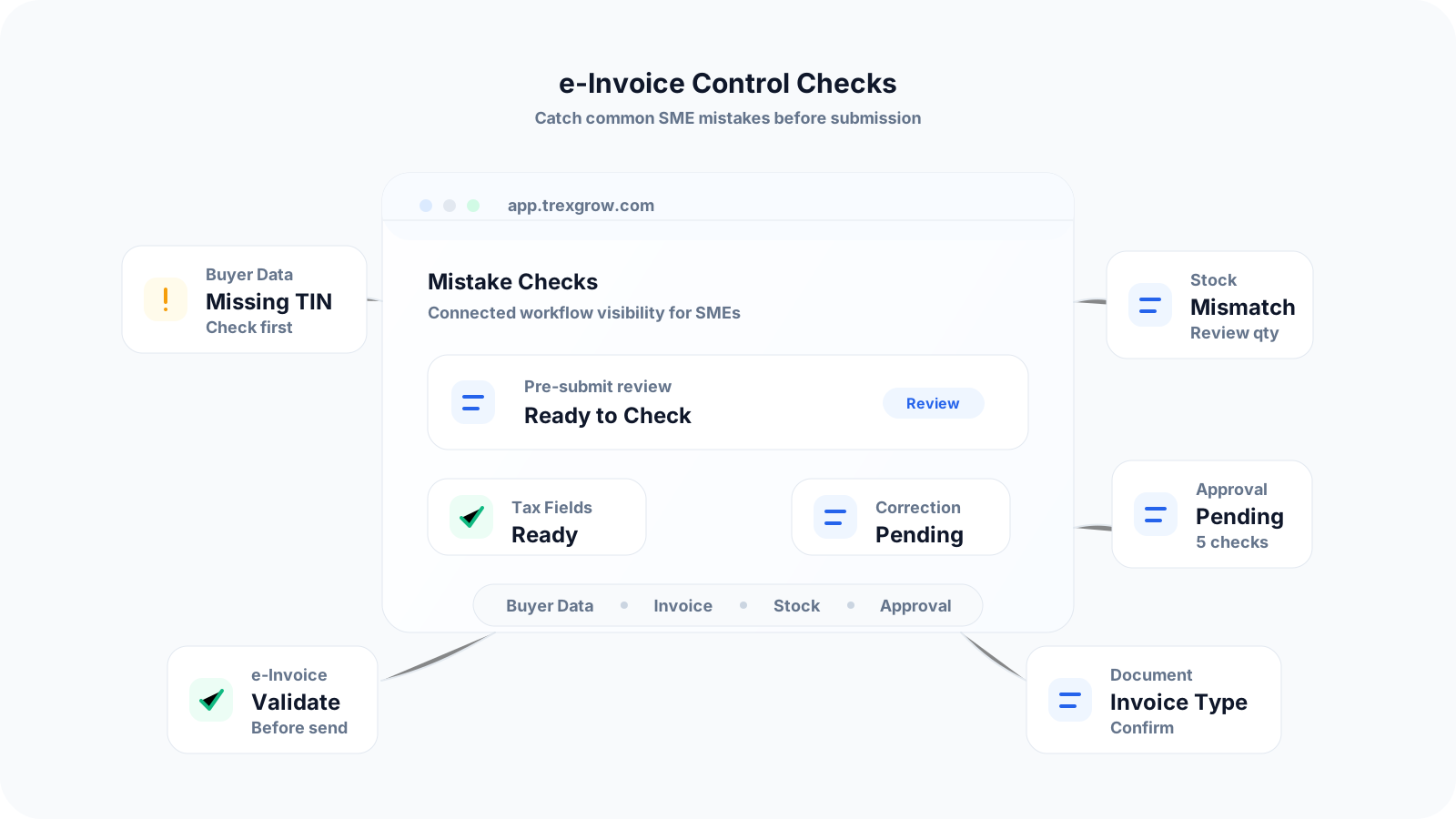
For many SMEs, e-Invoice is treated as a new compliance form. In reality, it depends on the quality of daily business records. If customer data, pricing, tax handling, stock movement, and approvals are messy, the e-Invoice step becomes the place where all earlier mistakes appear.
Operational pressure
When records live in different places, the person responsible has to reconstruct what happened before they can make a confident decision or follow up.
Customer details are collected only after the sale, so staff rush to complete buyer information during invoice issuance.
Quotations are approved in chat or email, while invoices are created separately in Excel or accounting software.
Inventory and delivery records do not always match the invoice quantity, especially for trading, wholesale, and distribution businesses.
Purchase orders and supplier bills are not linked to outgoing invoices, making margin and document tracing difficult.
Different staff use different naming formats for the same customer, product, branch, or service item.
Management checks invoices only after they are sent, instead of approving key details before the document is created.
Most mistakes are not technical. They are caused by incomplete data, unclear responsibility, and disconnected workflows. SMEs can reduce these issues by checking the transaction before the invoice is created, not only after submission fails.
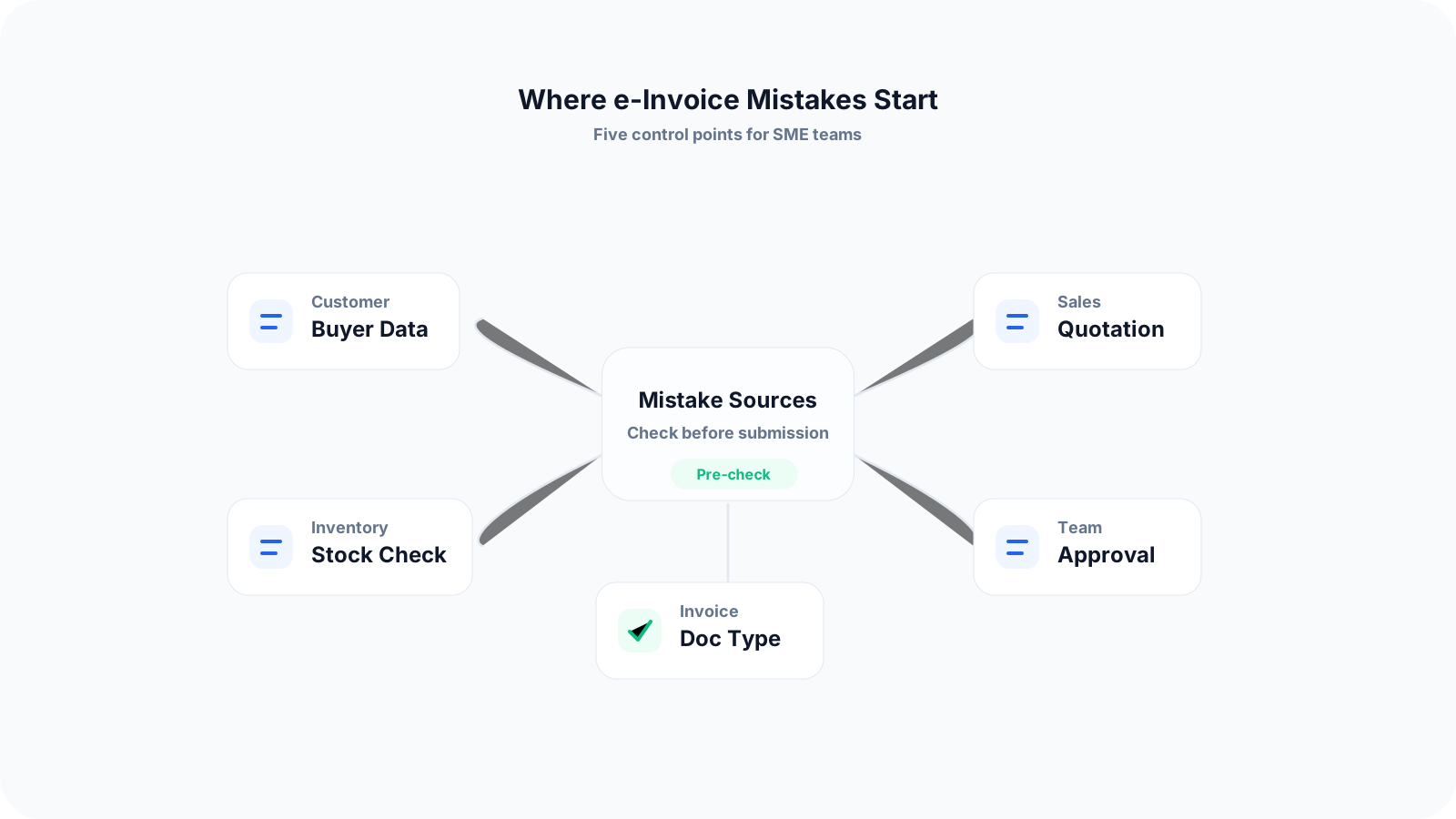
Buyer name, registration or identification details, TIN, address, and contact information should be captured consistently. Waiting until invoice issuance creates delays and increases the chance of manual entry errors.
The finance team may submit the e-Invoice, but sales, operations, inventory, purchasing, and management all affect the accuracy of the document.
Wrong pricing, wrong discount, wrong tax treatment, and wrong quantity often happen when approvals are informal or happen after the invoice is already prepared.
When an invoice is typed from scratch instead of created from an approved quotation, staff may copy the wrong customer, item, unit price, payment term, or tax detail.
Adjustments should have a clear workflow. SMEs often make the mistake of editing old records casually instead of keeping proper document history.
Different customer types may require different data collection and document handling. SMEs should define when full buyer details are required and when consolidated handling applies.
Teams should clearly separate testing, training, and actual production work. Staff must know which system, role, and process is used for real submissions.
Excel can help with tracking, but it becomes risky when different versions are used by sales, accounts, warehouse, and management without a shared workflow.
The best way to avoid e-Invoice issues is to clean up the transaction workflow before the invoice is submitted. SMEs should make e-Invoice readiness part of the daily sales and operations process.
Record the current facts in one shared place.
Confirm what is known and what needs attention.
Make the next decision or follow-up accountable.
Complete the next task and record the outcome.
Refresh the shared view when facts change.
A dependable workflow keeps the shared record and the next action aligned.
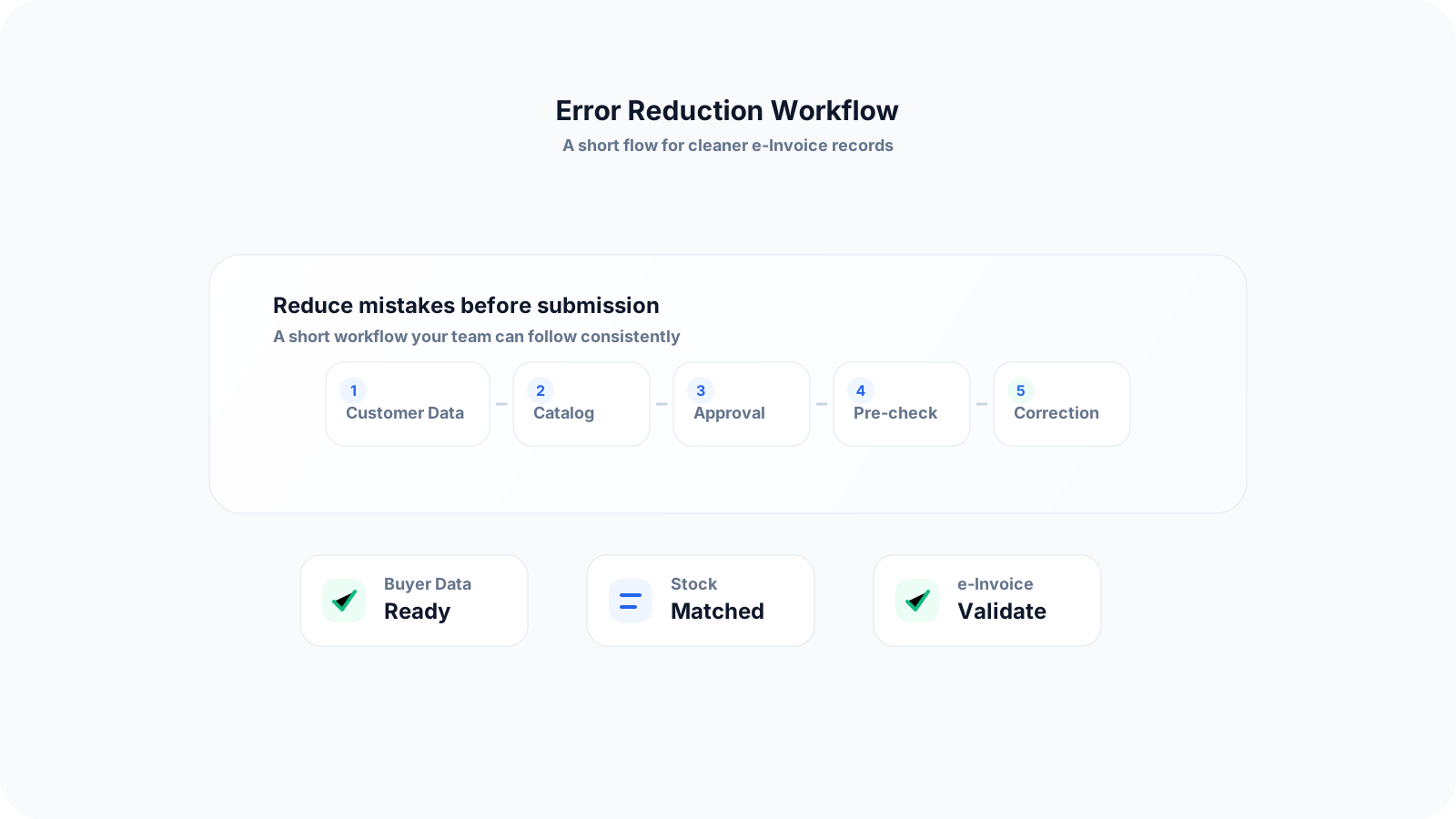
Step 1: Collect customer details before quotation or order confirmation - Create a standard customer profile checklist for company name, business registration number, TIN, address, contact person, email, phone number, and customer type. Do not wait until the invoice is due.
Step 2: Create quotations from a controlled product or service list - Use consistent item names, SKU codes, descriptions, units, pricing, tax category, and stock references. This reduces manual typing and makes invoice data easier to verify.
Step 3: Approve pricing, discount, payment terms, and tax treatment before invoicing - Set clear approval rules for special discounts, large orders, unusual payment terms, and changes after quotation acceptance.
Step 4: Link sales documents to inventory and delivery records - For product-based SMEs, invoice quantity should match available stock, picking, packing, and delivery records. This prevents invoices from being issued for the wrong items or quantities.
Step 5: Generate the invoice from the approved transaction record - Avoid retyping invoice details from WhatsApp messages, emails, or separate spreadsheets. Create the invoice from the approved quotation, order, or delivery workflow where possible.
Step 6: Check required fields before submission - Use a pre-submission checklist for buyer details, supplier details, invoice type, item details, tax information, totals, payment terms, and document references.
Step 7: Keep a clear correction workflow - Define who can cancel, reject, reissue, create credit notes, create debit notes, or update internal records. This prevents staff from making undocumented changes.
Step 8: Review mistakes monthly - Track common rejection reasons, missing fields, late approvals, wrong product details, and repeated customer data problems. Use the review to improve your workflow.
Some errors are small, but they create repeated admin work because they affect the full document chain. These are the areas SMEs should prioritise first.
Recurring issues usually point to workflow-control gaps, not one isolated data-entry mistake.
If every invoice requires staff to ask for the same buyer information again, your customer data process is not ready.
Payment terms, discount, deposit, and tax handling should be confirmed before the invoice is created.
This is common when the warehouse updates stock manually but accounts creates invoices separately.
SMEs should assign responsibility for customer data, document setup, staff training, approval rules, and issue resolution.
Special customer terms, branch billing, project billing, partial delivery, and recurring services should be documented in the workflow.
Month end, sales campaigns, festive seasons, and bulk billing periods are not the right time to discover missing data or unclear approval rules.
A good e-Invoice process should be simple enough for daily staff to follow, but structured enough for management to review. The aim is not just compliance. It is better control over the full sales and purchasing cycle.
Use the same naming format, ID format, address structure, and customer type across quotation, invoice, delivery, and payment records.
Quotations, invoices, purchase orders, delivery orders, credit notes, and supplier bills should be traceable. This helps during audit checks and internal reviews.
Small teams can still define who prepares documents, who approves exceptions, and who submits or reviews the e-Invoice record.
Prepare simple internal notes for deposits, partial delivery, cancelled orders, refunds, recurring invoices, inter-branch sales, and walk-in customers.
Sales and operations teams should understand why accurate customer details, item descriptions, quantities, and approvals matter for e-Invoice.
Connect quotation, purchase order, delivery record, supplier invoice, payment record, and approval trail wherever possible.
e-Invoice rules, guidance, and technical requirements may change. SMEs should check official updates and avoid relying only on old templates or forwarded messages.
The best practice is to make the next action clear before the situation becomes urgent.
TREX Grow helps SMEs manage e-Invoice readiness as part of the actual business workflow, not as a separate last-minute admin task. It connects the documents and approvals that happen before an invoice is issued.
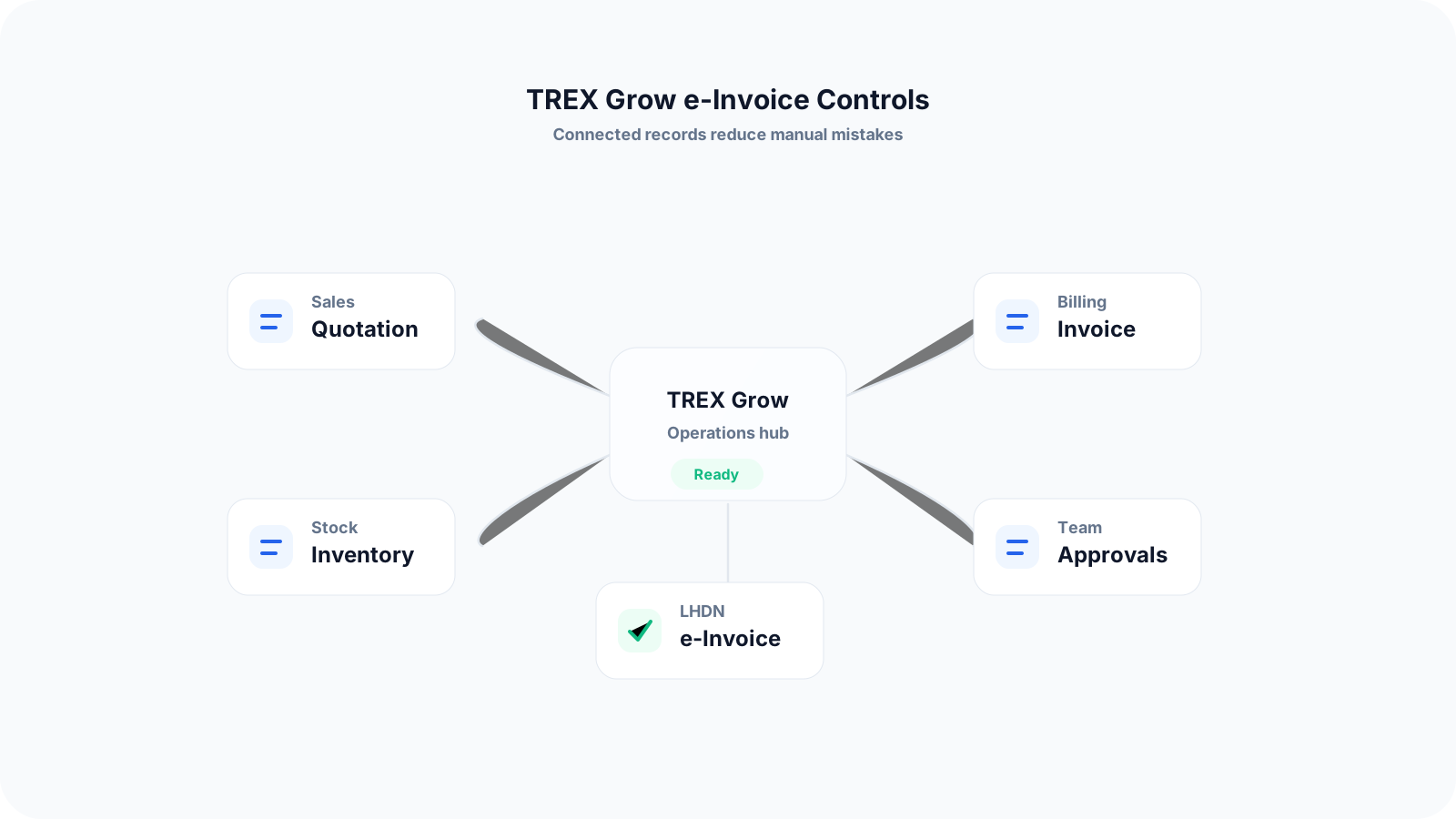
Create invoices from approved quotations so customer details, item descriptions, pricing, and payment terms are carried forward with less manual retyping.
Keep item names, SKU details, units, stock movement, and catalog information more consistent across sales and purchasing workflows.
Set approval flows for pricing changes, discounts, purchases, supplier payments, and internal exceptions before they become invoice problems.
Link purchasing and supplier payment workflows with sales and finance records so teams can trace operational documents more clearly.
Use a workflow designed around Malaysian SME operations, including invoice preparation, validation readiness, and document traceability.
Reduce repeated manual entry by keeping key transaction data in a connected operational platform instead of separate spreadsheets.
You do not need to overhaul everything at once. Start by fixing customer data, quotation approval, invoice creation, inventory matching, and correction workflows. TREX Grow helps Malaysian SMEs connect these steps in one practical operations platform.
The most common mistake is incomplete or inconsistent data. This includes missing buyer details, wrong customer names, inconsistent product descriptions, incorrect quantities, and invoice details that do not match the approved quotation or delivery record.