
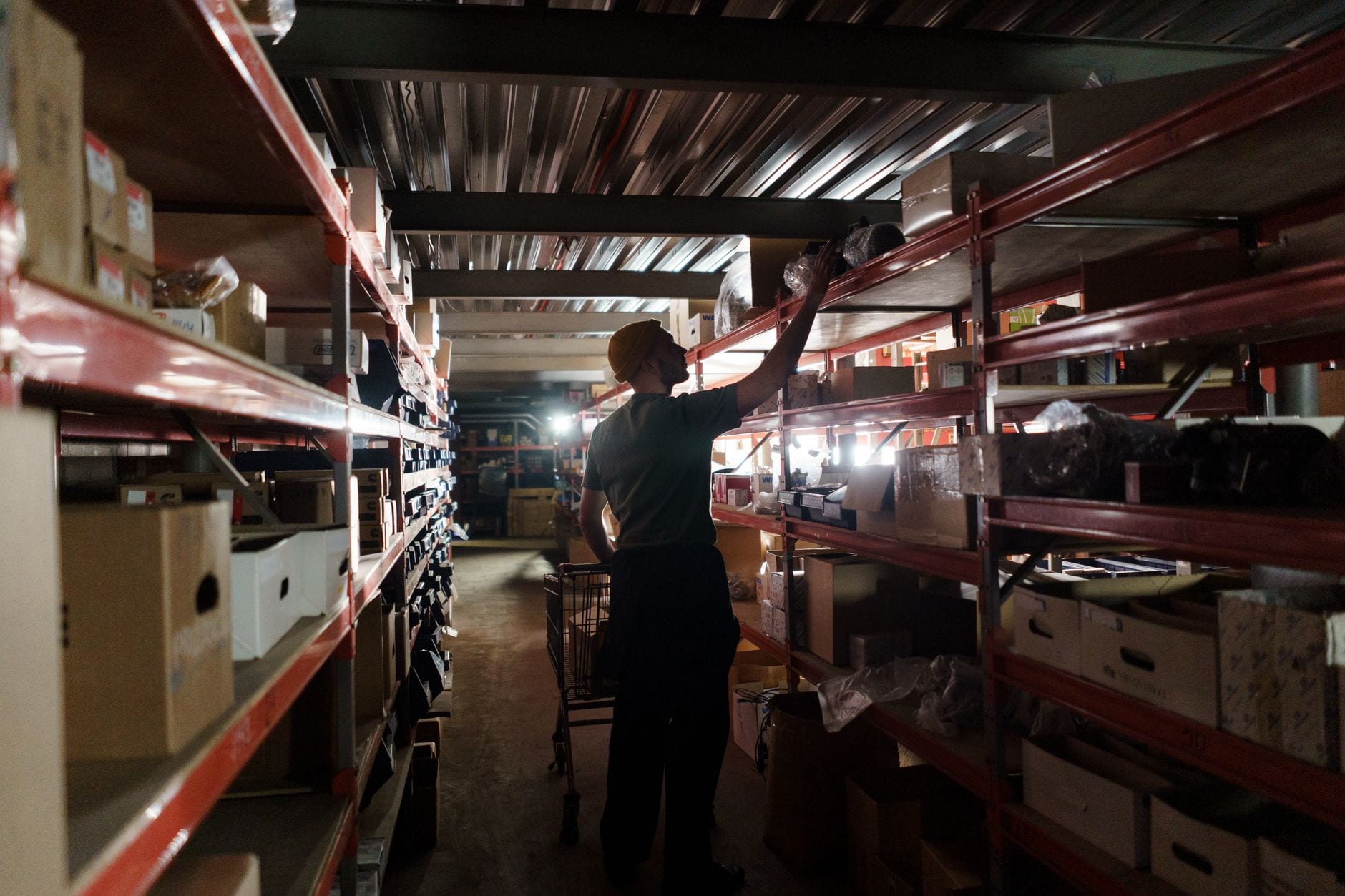
Receiving stock is only part of the warehouse handover. A simple putaway record helps teams show where newly received goods are temporarily held, where they are finally stored, who moved them, and whether they are ready for use. This is especially useful when receipts are split across locations, goods require condition checks, or warehouse volume has grown beyond informal location tracking.
Received Stock Is Not Fully Usable Until the Team Knows Where It Is
A delivery can be correctly received into the business while still being difficult for warehouse staff to use. The quantity may be confirmed, the supplier receipt may be recorded, and the cartons may physically be inside the warehouse, yet nobody knows which rack, shelf, or temporary area currently holds them.
For Malaysian distributors, retailers, wholesalers, and light-manufacturing SMEs, this gap often appears as stock volume grows. A small team may initially rely on memory, but that becomes harder when several deliveries arrive in the same day or goods move between receiving, checking, and storage areas.
A simple putaway record closes this gap by documenting the movement from receipt to the location where the stock can actually be found.
Small Putaway Gaps Can Create Large Search Problems
Consider cartons unloaded at the loading bay during a busy morning. The stock has technically arrived, but staff plan to move it later. If the temporary location is not recorded, another employee may search the normal rack and assume the goods are missing.
A similar issue appears when received items require a condition check. The team may place them in a quarantine or checking area before deciding whether they can move into normal storage. Without a visible temporary location and availability status, a picker may assume the stock is ready to use when it is not.
The reverse can also happen. Goods may already have passed inspection and been moved to their final rack, but the system or internal record still points to the receiving area. The physical stock and recorded location then tell two different stories.

Treat Putaway as a Short Receiving-to-Storage Handover
Putaway does not need to become a complex warehouse project. For many SMEs, the useful control is simply to record what was received, where it is now, where it should go, and whether the movement has been completed.
The process can begin from the receipt reference. Warehouse staff confirm the actual received quantity, note whether the goods are temporarily held somewhere, and then record the final location once the cartons or items are moved.
This keeps the putaway step connected to the wider warehouse workflow rather than treating the physical movement as something separate from the receiving record.
One Receipt May Need More Than One Storage Location
Not every delivery fits neatly into one rack. A receipt of 100 units might be split between two storage locations because one rack does not have enough space or because part of the stock is kept closer to a picking area.
For example, 60 units may be stored on Rack A while the remaining 40 units are placed on Rack B. If the receipt only shows that 100 units arrived but does not record how those quantities were allocated, a picker looking for all 100 units in one place may think stock is missing.
Recording the actual quantity placed at each location gives inventory controllers and warehouse staff a more useful movement trail. It also supports clearer stock movement records when goods are relocated again later.

Use a Practical Putaway Checklist
A lightweight putaway record can cover the information staff need to find and understand recently received goods:
- Receipt reference: Identify the received-stock or supplier-delivery record that started the movement.
- Actual quantity: Confirm the quantity physically received and available for putaway.
- Temporary location: Record the receiving bay, checking area, quarantine area, or other interim location when stock is not moving directly into storage.
- Final location: Record the actual rack, shelf, zone, or other agreed storage location.
- Responsible person: Identify who carried out or recorded the movement when accountability is useful.
- Time: Note when the stock was moved so the team can understand the latest location.
- Exception: Record issues such as damage, insufficient space, quantity differences, or goods awaiting condition checks.
- Availability status: Show whether the stock is still being checked, waiting for putaway, or ready for normal use according to the team's process.
The level of detail can match the warehouse. A small retailer may only need simple zones or shelves, while a distributor with more stock may use more detailed rack and bin references.
Make Recently Received Goods Easy for Pickers to Find
The value of a putaway record becomes especially clear when someone else needs the stock. A picker may receive an order shortly after a supplier delivery and expect the new quantity to be available.
If the system shows that the goods were received but gives no location, the picker has to ask around, search the loading area, or check several racks. A visible location and movement status helps distinguish between goods that are still waiting in receiving, goods under review, and goods already placed into normal storage.
A structured warehouse location workflow can help SMEs connect received quantities with the locations where those quantities are physically stored, without assuming that every business needs barcode scanning or a dedicated warehouse team.

How TREX Grow Can Help Solve This
TREX Grow can help SMEs keep the receiving-to-storage handover visible by connecting received-stock records, locations, quantities, exceptions, and movement history.
A practical workflow can follow these steps:
- Open the received-stock record. Start from the relevant receipt so the putaway movement remains connected to the supplier delivery and actual received quantity.
- Record the temporary or final location. If goods remain in a receiving or checking area, record that location first; otherwise, record the final rack, shelf, or warehouse location used by the team.
- Allocate quantities across locations where needed. When one receipt is split between multiple racks or storage areas, record how much stock was placed in each location instead of treating the full receipt as one undivided quantity.
- Note exceptions and check the movement trail. Record issues such as damaged goods, space constraints, or items awaiting condition checks, and keep later movements visible when stock is relocated.
- Make stock available according to the team's agreed process. Once the required checks and putaway steps are complete, update the stock so staff can distinguish usable inventory from goods still waiting for review or movement.
The objective is not to turn a growing SME warehouse into an unnecessarily complex operation. It is to make the short handover between receiving and storage clear enough that newly arrived stock can be found, understood, and used when the team needs it. Businesses that want clearer receiving, location, and stock-movement records can explore how TREX Grow supports this workflow.

