Overdue-payment prevention guide for Malaysian SMEs

How to Reduce Overdue Customer Payments

Late payment is not always a collection problem. It often starts with unclear terms, a missing reference, the wrong billing contact, or a blocker nobody checks until the invoice is already overdue. A simple prevention routine gives the customer what they need to pay and gives your team a clear next action when they cannot.

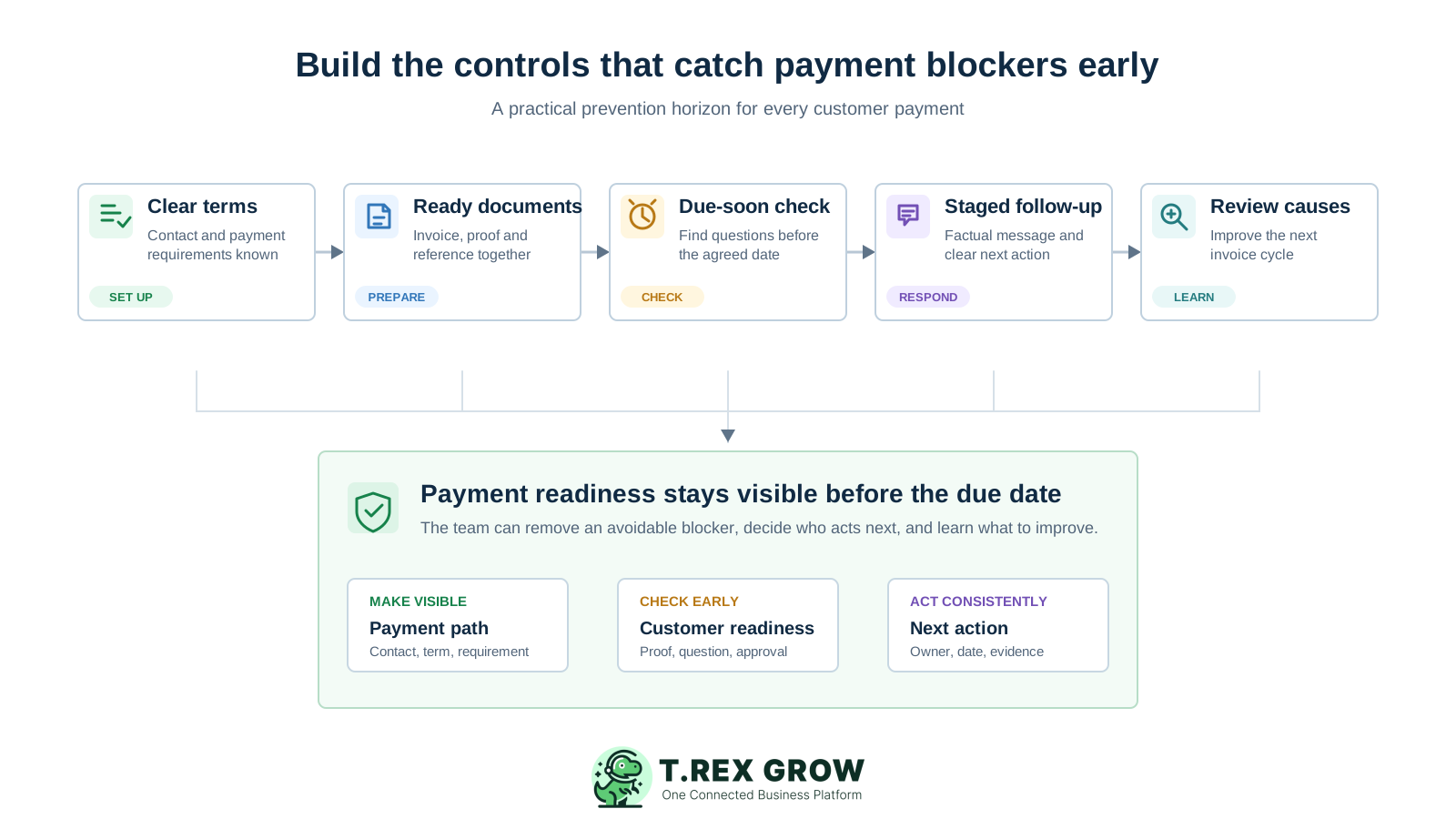
Five-stage overdue-payment prevention horizon from clear terms and ready documents through due-soon checks, follow-up and recurring-cause review

Primary keyword

how to reduce overdue customer payments

Audience

Malaysian SME owners, finance administrators, accounts assistants, sales coordinators, and operations teams that need a clearer routine for reducing avoidable late customer payments without relying on ad hoc chasing.

Goal

Teach Malaysian SMEs an overdue-payment prevention routine built around clear terms, document readiness, due-soon checks, risk-based prioritisation, staged follow-up, and recurring-cause review before softly showing how TREX Grow can support connected records and handovers.

Problem

Why customer payments become overdue

An overdue invoice is usually the visible result of a process gap that started earlier. The invoice may be correct, but the customer may not have the right document, reference, approver, delivery evidence, or time to resolve a question. When nobody owns those checks until the due date, the team begins follow-up without enough context.

Operational pressure

The next action is easy to lose when context is scattered.

When records live in different places, the person responsible has to reconstruct what happened before they can make a confident decision or follow up.

Scattered recordsUnclear ownershipAvoidable surprises
High risk

Terms are stated but the payment path is unclear

An invoice can show a due date while the team still does not know who processes payment, which channel the customer uses, or whether a purchase-order, statement, or approval step is required. A written term is useful only when the payment path is understood.

The invoice is not ready for the customer's process

A customer may need an invoice number, correct legal or trading name, purchase-order reference, delivery evidence, service confirmation, statement, or supporting file before they can route the request internally. Missing context can create avoidable delay even when the amount is not disputed.

There is no due-soon checkpoint

Waiting until payment is late to ask whether anything is missing turns a simple document request into an overdue issue. A scheduled check before an important due date lets the team remove a blocker while the agreed date is still achievable.

High risk

At-risk invoices are treated alike

A new customer, a large invoice, a repeat account with an open query, and a small invoice with a confirmed payment date do not need the same next action. Without a simple priority view, effort goes to the loudest item rather than the most useful intervention.

The follow-up starts without a shared owner or facts

Finance may see the balance, sales may know the customer context, and operations may hold the delivery proof. If the record does not show the current owner, latest reply, and next review date, the customer can receive duplicate or poorly timed messages.

Resolved late payments do not improve the next cycle

A payment that eventually arrives may hide a recurring cause: a missing reference, a routine approval delay, unclear terms, or an avoidable handover gap. Without a short cause review, the same problem returns with the next invoice.

Education

Six payment controls that prevent avoidable lateness

Reducing overdue payments does not mean sending more reminders. It means placing a few practical controls at the moments where a payment can become blocked: before the invoice is sent, before the due date, and after a customer signals that payment will be late.

A useful record supports the next decision

The work is easier when the team can see the current facts, the responsible person, and the next action without reconstructing the history from separate tools.

Shared operating context
Clear ownership and status
A visible next action

Set up the team view

1

Define the shared fields

  • - Use current facts
  • - Keep details consistent
2

Assign the next action

  • - Name an owner
  • - Set a review date
3

Keep it current

  • - Record changes
  • - Resolve exceptions
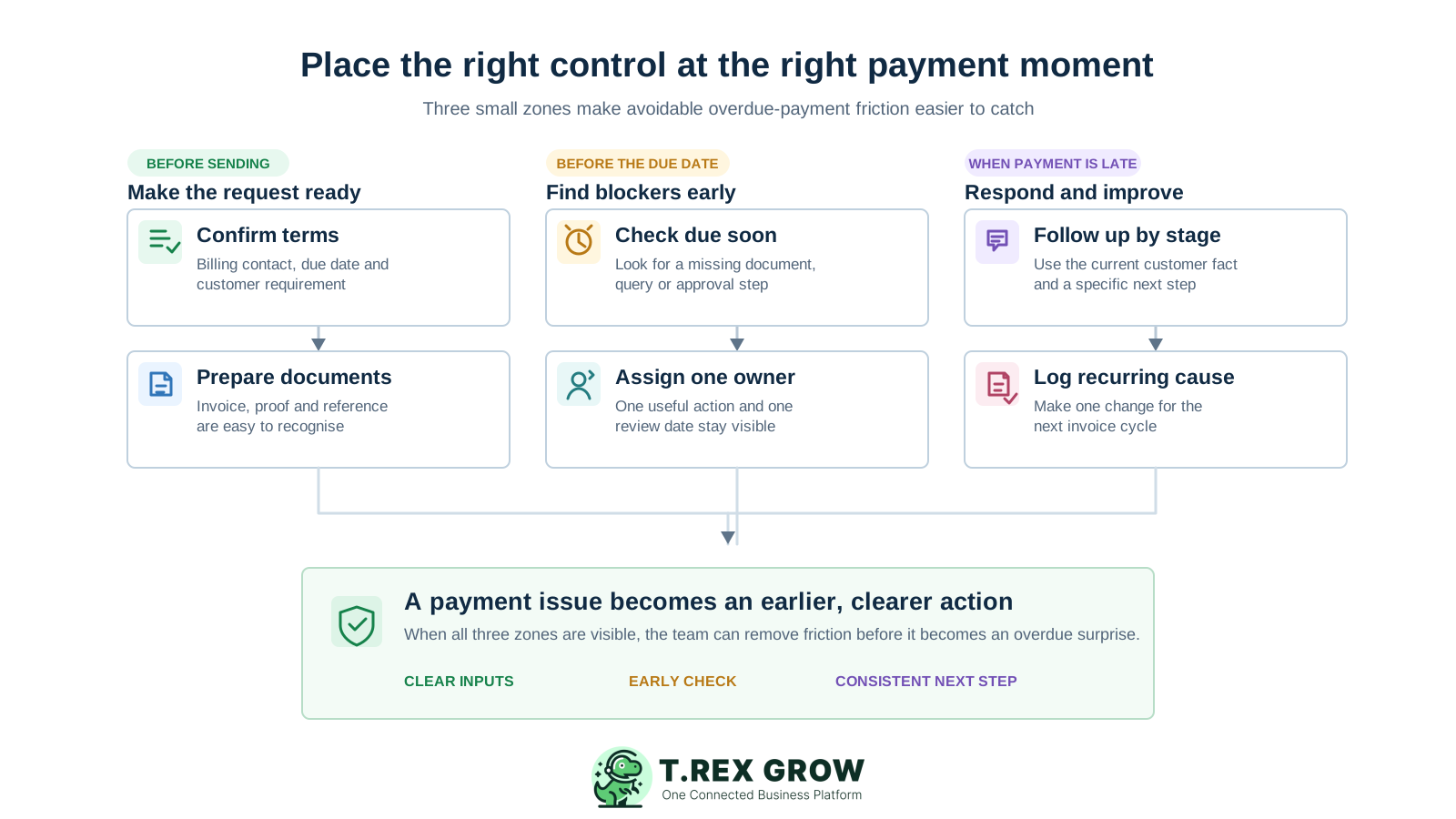
Three-zone overdue payment prevention control map with terms and documents before sending, due-soon checks before the date, and staged follow-up after a delay

Confirm the payment terms and path

Before billing a new customer or a significant invoice, confirm the agreed term, the person or team that receives the invoice, the preferred channel, and any approval or reference requirement. Capture the operational facts, not only the payment term.

Prepare a payment-ready invoice pack

Make the invoice number, amount, due date, customer reference, delivery or service proof, and supporting files easy to recognise and retrieve. The customer should not need several follow-up messages just to identify what the invoice covers.

Review important invoices before the due date

Use a due-soon check for high-value, new, complex, or previously delayed accounts. Confirm whether the customer has everything needed to process payment and whether a question, approval, or document request needs a named owner.

Prioritise by risk and next action

Rank invoices using practical signals such as value, days to or past due, missing evidence, an unanswered question, a changed customer contact, or a payment promise that needs review. The goal is a sensible work queue, not a complicated score.

Use a staged, factual follow-up

Reference the invoice, amount, due date, current customer context, and the next step you need. Escalate the internal attention only when the customer has not responded, a promise expires, or a specific blocker requires another role.

Record the cause and improve the next invoice

When a late payment is resolved, note the practical reason and one preventive action for the next cycle. A short cause log can reveal repeated missing references, timing patterns, document gaps, or unclear ownership without turning into an uncontrolled archive.

Workflow

A six-step plan to reduce overdue customer payments

This repeatable sequence turns prevention into a shared operating habit. It keeps the customer experience respectful while giving finance, sales, and operations enough structure to intervene early and respond consistently when a payment date changes.

A repeatable operating workflow

Capture

Record the current facts in one shared place.

Check

Confirm what is known and what needs attention.

Assign

Make the next decision or follow-up accountable.

Act

Complete the next task and record the outcome.

Review

Refresh the shared view when facts change.

A dependable workflow keeps the shared record and the next action aligned.

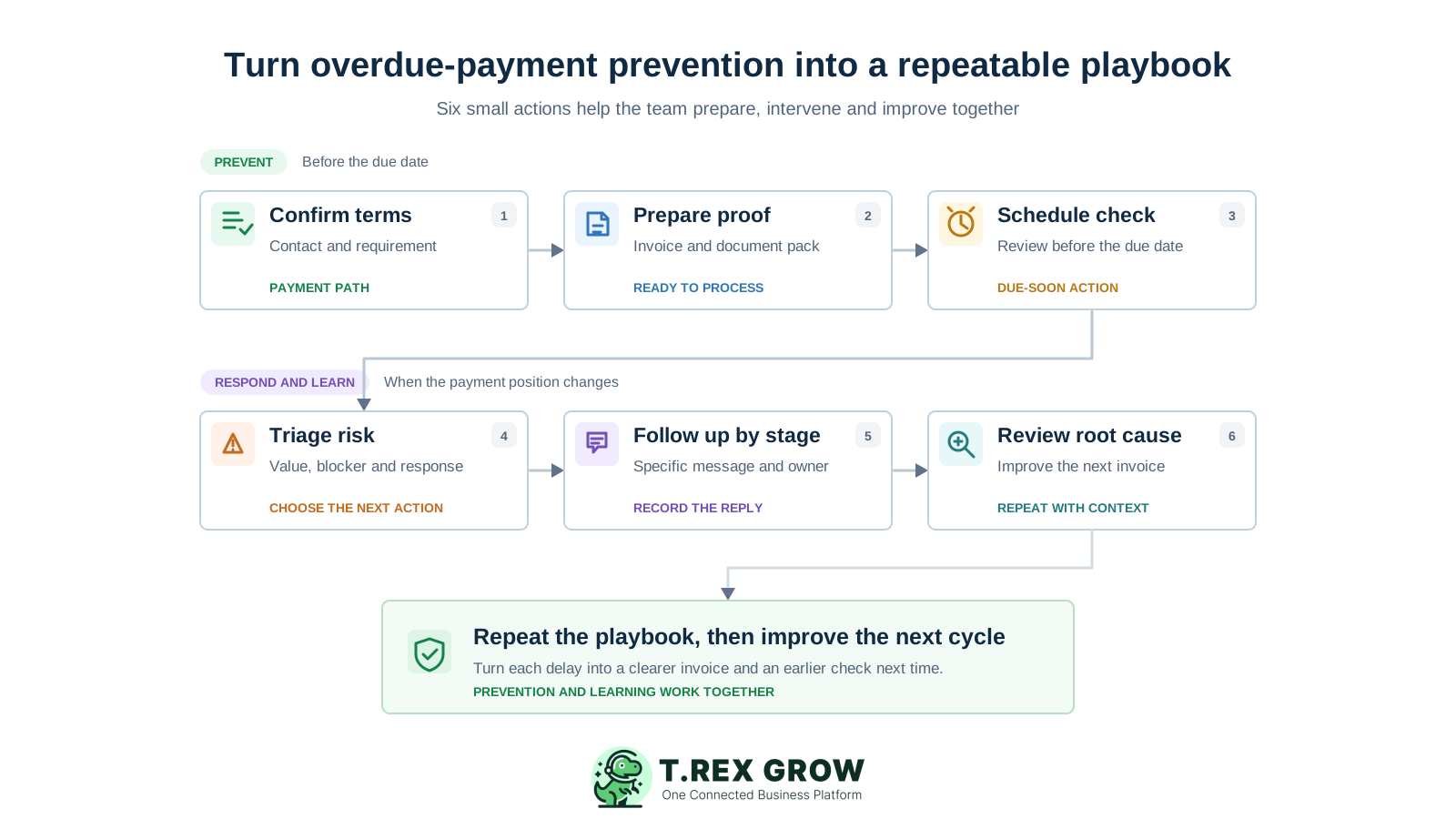
Six-step overdue customer payment reduction playbook from confirming terms and preparing invoice proof to a due-soon check, triage, staged follow-up and root-cause review
1

Confirm the payment path before billing: record the agreed term, correct billing contact, preferred channel, customer reference, and any purchase-order, delivery, statement, or approval requirement that could affect payment processing.

2

Prepare the invoice and its proof: make the amount, due date, invoice reference, commercial context, and supporting documents easy for the customer to recognise and easy for the team to find later.

3

Schedule a due-soon check for at-risk invoices: choose a point before the due date to review new, high-value, complex, or historically delayed accounts for missing information, unresolved questions, or an unclear owner.

4

Triage the current payment risk: use the invoice value, due-date position, customer response, missing evidence, open query, or expired payment promise to decide which action deserves attention first.

5

Follow up by stage and record the next action: keep the message factual and specific, capture the reply or requested document, assign an owner, and set a review date rather than letting the payment disappear into a general reminder list.

6

Review the root cause after resolution: note the practical reason payment was late and the small change that could prevent the same issue on the next invoice, such as an earlier document check, a better reference, or clearer ownership.

Mistakes

Common habits that make late payment more likely

Most payment delays do not need a dramatic solution. They need the team to avoid a few habits that hide payment blockers, create inconsistent customer communication, or make the next invoice as difficult as the last one.

Most issues are not tax knowledge problems. They are workflow control problems.

Common

Assuming the invoice terms explain the whole payment process

A due date does not tell you who receives the invoice, who approves it, which reference is needed, or whether a supporting document is missing. Confirm the path instead of relying on the invoice text alone.

High risk

Sending the invoice without the supporting context

If the customer later needs delivery proof, a purchase-order reference, service confirmation, or a statement, the payment request is incomplete for their process. Package the needed context before the first send.

Common

Waiting for the due date to discover a blocker

A first reminder on the due date may reveal a problem that could have been handled days earlier. Use due-soon checks selectively for invoices where an early question can make a practical difference.

High risk

Using one reminder rhythm for every account

The right response depends on value, relationship context, payment history, customer replies, and the actual blocker. A simple risk view is more useful than increasing message volume across every invoice.

Common

Treating a payment promise as payment confirmation

A promise can help plan the next review, but it does not close the invoice. Keep the agreed due date, latest expected date, payment evidence, and remaining balance separate until the position is matched.

High risk

Resolving the invoice without learning from the cause

If a late payment happened because of a missing reference, late document, or unclear handover, the team should make one targeted adjustment before billing the same customer again. Otherwise the recovery work becomes routine.

Best practices

Practical ways to reduce overdue customer payments

The best routine is small enough to repeat. It creates a reliable payment experience for customers and a manageable operating rhythm for the team, without turning normal invoice follow-up into a high-pressure collection exercise.

Do this

Use a short payment-readiness checklist

For new, high-value, or complex invoices, check the billing contact, term, reference, supporting documents, and any known customer approval step before sending. A small checklist prevents the team from rediscovering the same basics later.

Do this

Choose due-soon checks based on risk

Set an earlier review for invoices that are material, have a new customer process, include several documents, or have a history of delayed approval. Keep low-risk, straightforward accounts on a lighter rhythm.

Do this

Give each next action one named owner

The named owner may need input from finance, sales, or operations, but the payment record should always make clear who will act next, what they need to do, and when the team will review the result.

Do this

Make follow-up specific to the invoice and customer

Reference the invoice number, amount, due date, known customer context, and a clear requested next step. A concise, factual message is easier for the customer to route internally and easier for colleagues to continue.

Do this

Separate facts, expectations, and completed payment

Keep the agreed term, customer promise, amount received, and remaining balance visible as separate facts. This prevents optimistic notes from quietly replacing the actual payment position.

Do this

Review recurring causes every month

Look for repeated document gaps, customer-specific references, handover delays, or approval timing patterns. Choose one or two process changes to test in the next month instead of launching a large, vague cleanup project.

The best practice is to make the next action clear before the situation becomes urgent.

Solution

How TREX Grow can support an overdue-payment prevention routine

After your team agrees the routine, TREX Grow can help keep the commercial document, invoice, customer context, payment position, and operational handovers closer together. The aim is not to replace a thoughtful customer relationship; it is to make the facts and next actions easier for the right person to see.

Operations work better when records and next actions are connected

Keep invoice and document context connected

Bring invoice references, quotation or sales context, supporting records, and payment information closer together so staff do not need to rebuild the reason for an invoice from scattered folders and messages.

Make due-soon work visible

Help the team review invoices that need an early check, a missing document, or a customer conversation before a due date becomes a late-payment issue.

Support clearer internal handovers

Keep the current payment position, latest meaningful customer update, owner, and next action available to finance, sales, and operations instead of relying on a private inbox or one person's memory.

TREX Grow Operations Hub

Retain practical payment history

Make it easier to refer back to payment activity, useful customer requirements, and repeated blockers when preparing the next invoice cycle or reviewing an open balance.

Create a more useful review conversation

A connected record gives managers a clearer starting point to discuss invoice risk, overdue causes, customer commitments, and next actions without asking the team to reconstruct every position manually.

Next step

Start with the invoices most likely to become overdue

Pick a small set of open invoices that are high-value, complex, close to due, or already waiting on a customer action. Confirm the payment path, attach the missing context, assign the next check, and record the cause when a payment is resolved. If the next person can see what to do without searching through several tools, the routine is beginning to work.

Explore how TREX Grow works

Payments can become overdue because the customer does not have the right invoice, reference, supporting document, billing contact, approval path, or timely response to a question. Some delays are unavoidable, but many are process gaps that can be found earlier.