A message is mistaken for a workflow state
A yes in chat may show intent, but it does not automatically identify the reviewed version, decision owner, conditions or next action.

A purchase approval workflow should make four things visible: the current request, the person who owns the next action, the decision state and the record that may be released. This explainer follows those changes without confusing approval with receiving, supplier-invoice review or payment.
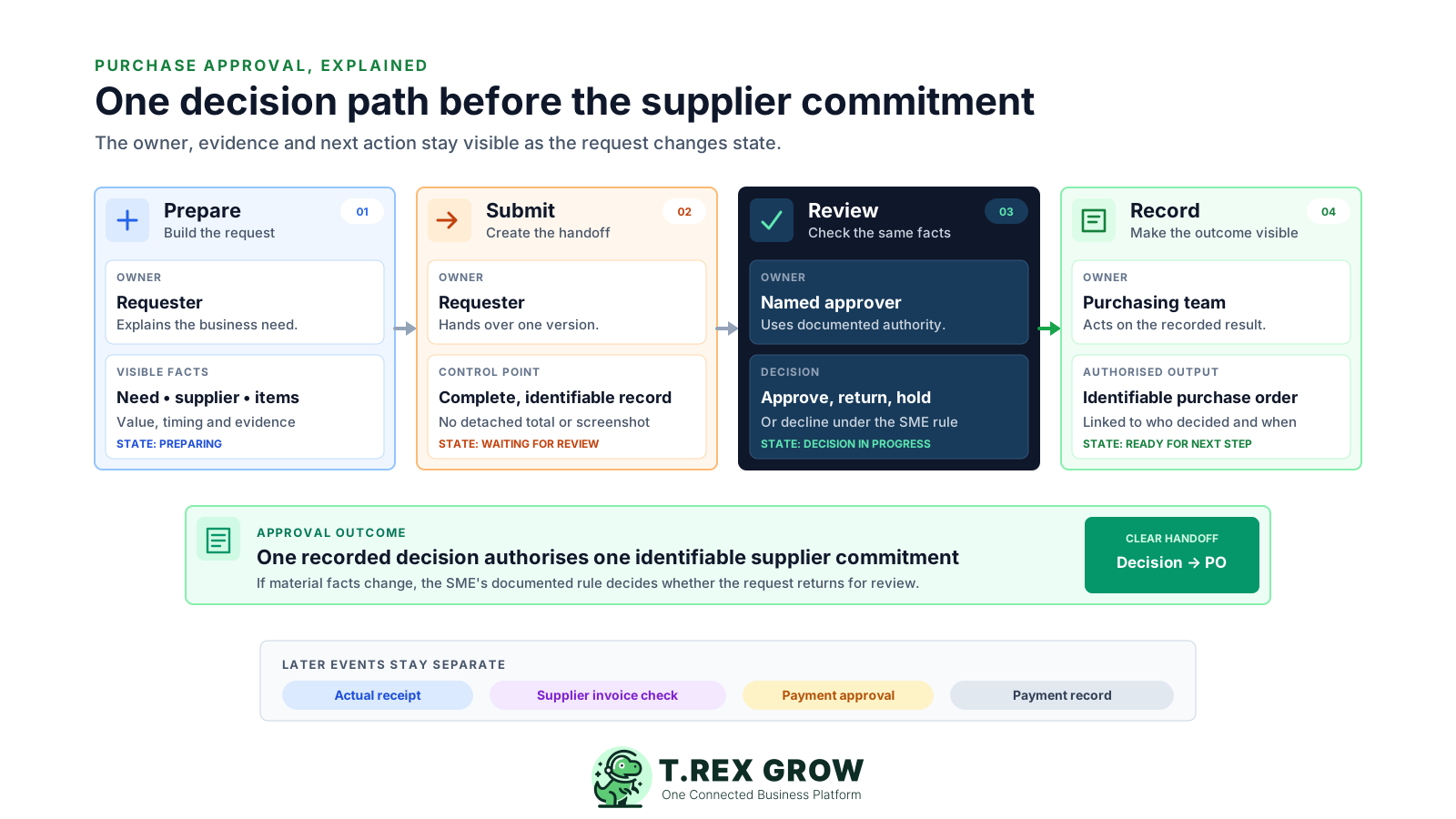
In a manual process, several different events can be described as approval. A manager may agree that the purchase is sensible, a buyer may release a PO, a receiver may accept a delivery and finance may approve payment. Unless the workflow separates these events, the status tells the team very little.
Operational pressure
When records live in different places, the person responsible has to reconstruct what happened before they can make a confident decision or follow up.
A yes in chat may show intent, but it does not automatically identify the reviewed version, decision owner, conditions or next action.
A copied total can hide the supplier, products or services, quantities, terms, delivery timing, exceptions and supporting evidence.
The requester believes the approver is reviewing while the approver does not know that a complete request is ready.
A supplier, price, quantity or term changes after review, but the team keeps using the earlier approval without identifying a new version.
An approved purchase is treated as if it proves delivery, supplier-invoice correctness or payment even though each event needs its own record.
Purchase approval answers one operating question: may the business make this supplier commitment under its own policy? The workflow carries a buying need to an authorised decision, records the result and enables the next permitted action. It does not replace every later step in purchasing.
The team can identify what is needed, why it is needed, who requested it and when the result is required.
The supplier, items or services, quantities, value, terms, timing, evidence and material exceptions are visible together.
The business has named who may decide this type of commitment and what happens when that person is unavailable.
Approve, return, hold, decline or another outcome defined by the SME changes the owner and next action.
The decision points to the version that was reviewed and to the purchase-order record or other action permitted by the result.
A small team may combine roles, but the responsibilities should still be understandable. The same person can perform more than one task only when the SME has deliberately accepted that arrangement and kept the handoffs visible.
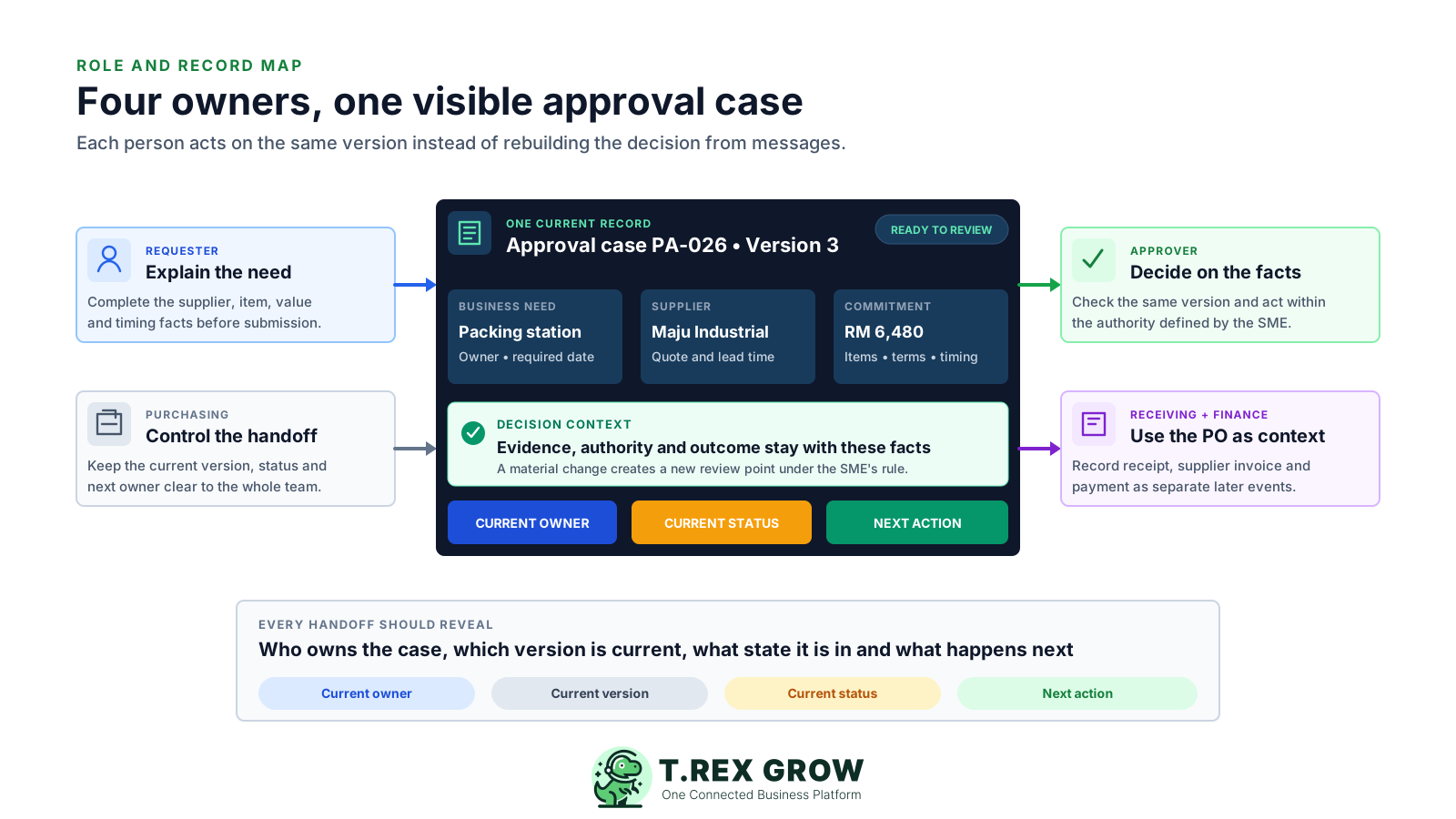
Explains the business need and completes the supplier, item, value, timing and evidence needed for a decision.
Checks that the record is identifiable, controls the current version and makes the owner, status and next action visible.
Reviews the same facts, acts within the SME's authority rule and records an explicit outcome.
Use the authorised PO as context while recording actual receipt, supplier-invoice review and payment as separate later events.
The exact labels may differ by business, but each state should explain what changed, who owns the case and what action is allowed next. A simple workflow is useful when everyone can read it the same way.
Record the current facts in one shared place.
Confirm what is known and what needs attention.
Make the next decision or follow-up accountable.
Complete the next task and record the outcome.
Refresh the shared view when facts change.
A dependable workflow keeps the shared record and the next action aligned.
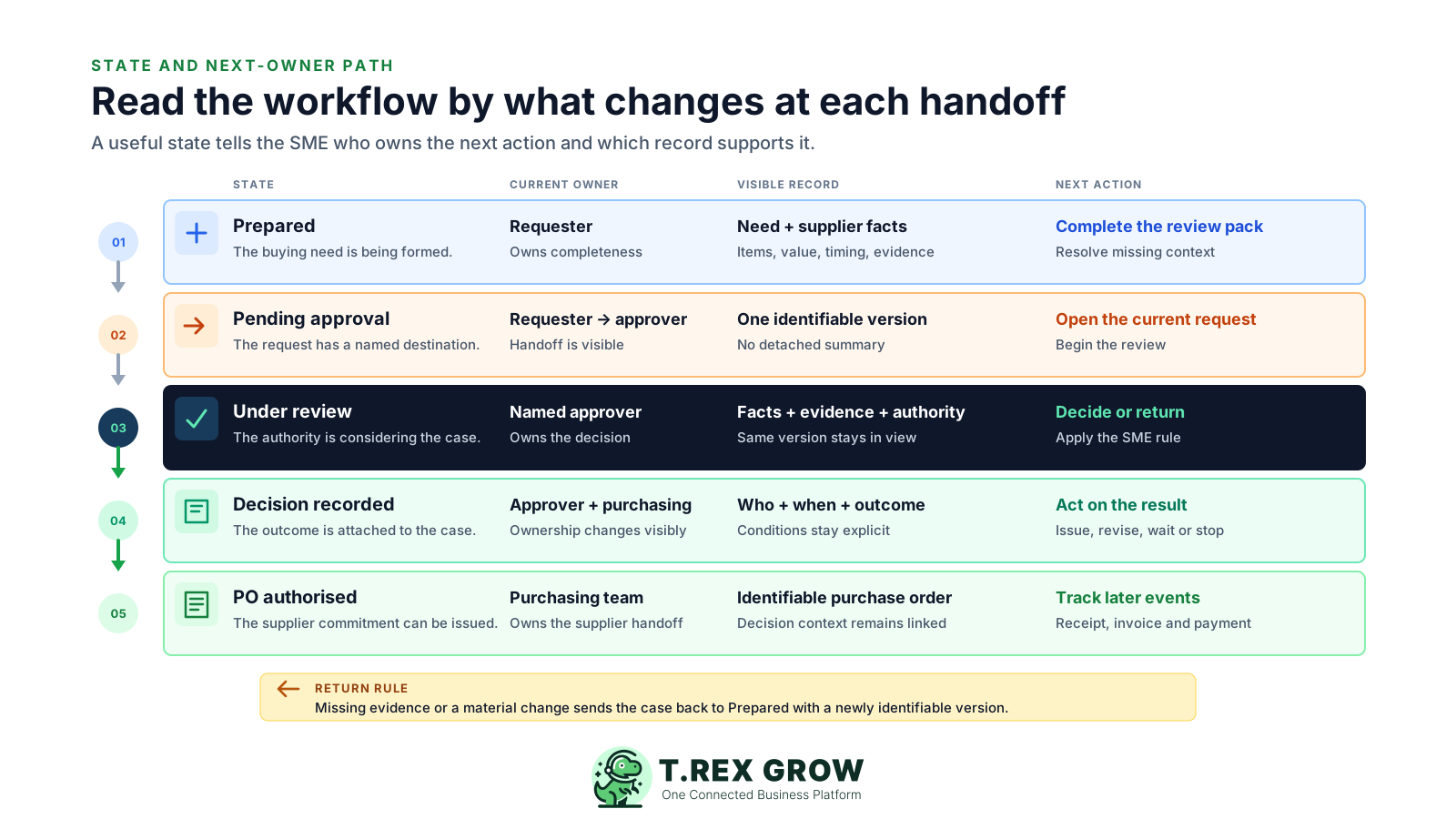
1. Prepared: the requester forms the buying need and completes the supplier, item, value, timing and evidence needed for review.
2. Pending approval: one identifiable version is handed to the named approver, and the wider team can see that the decision is waiting.
3. Under review: the approver checks the current facts, supporting evidence and their authority before choosing an allowed outcome.
4. Decision recorded: the case retains who decided, when they acted, which version they considered, the outcome and any visible condition.
5. PO authorised: purchasing may issue the identifiable supplier commitment, while receipt, supplier-invoice review and payment continue as separate records.
Purchase approval is one control point inside a wider purchasing cycle. Keeping later events separate prevents the team from treating an authorised intention as proof that the supplier fulfilled it or that the business paid correctly.
Answers whether the business may make this commitment. Use an identifiable request and recorded decision; it does not prove supplier acceptance, receipt or payment.
Shows which commitment was sent to the supplier through an identifiable PO and version; it does not prove that goods or services arrived.
Records what was actually delivered or accepted through delivery, stock-entry or service evidence; it does not prove the supplier invoice is correct.
Checks what the supplier says the SME owes and records exceptions; it does not prove that payment has been made.
Records the amount paid, date, method and reference; it does not by itself prove that every earlier purchasing control was completed.
A workflow can look formal while still leaving the key decision invisible. These patterns create more chasing and weaker records without necessarily improving control.
Recurring issues usually point to workflow-control gaps, not one isolated data-entry mistake.
The approver cannot judge the supplier commitment when items, quantities, prices, terms, timing or exceptions are hidden.
Approved should not also mean PO issued, supplier accepted, goods received, invoice checked or payment completed.
A different supplier, quantity, price, total, term or delivery condition may no longer match the decision that was recorded.
A single informal bottleneck hides which decisions can be handled by other named authorities and which exceptions need the owner's attention.
Silence does not identify a decision owner, outcome, condition or time unless the SME has deliberately documented an exception rule.
The SME should define the meaning of each state and handoff before assuming a tool's buttons represent its purchasing policy.
An SME can keep the route short without making it vague. Start with the minimum information needed to explain the case and make ownership visible at every transition.
State whether the decision authorises the purchase request, the supplier-facing PO or another defined commitment.
Give the approver one identifiable request and keep material edits visible so the decision cannot drift from the final record.
Explain what approve, return, hold, decline or conditional approval means and who owns the case after each result.
Name an authorised backup or escalation path before the normal approver is unavailable.
Decide which changes require a new version and re-review instead of relying on memory after approval.
Use a simple routine to find pending cases, unclear evidence, repeated returns, bypasses and requests that remain with the wrong owner.
The best practice is to make the next action clear before the situation becomes urgent.
Consider an operations team requesting two packing tables from Maju Industrial for RM6,480. The example is not a universal approval rule; it simply shows how one case should remain identifiable as ownership changes.
Operations records why the tables are needed, the supplier quote, items, quantity, value, required date, delivery terms and requester.
The requester submits version 3 to the named operations approver, and the team can see that review is the next action.
The approver checks the current supplier, commercial facts, timing, evidence and whether the case falls within their authority.
The record identifies the approver, decision time, version and outcome; a material price or supplier change would create a new review point.
Purchasing issues the approved supplier commitment and later records what arrived, what was invoiced and what was paid.
After the SME defines what its states and authority mean, TREX Grow can keep a supported purchase-order request and approval on the live PO. The verified workflow is a direct permission-based handoff rather than a promise of requisitions, budgets, threshold routing, several approval levels or enterprise procurement orchestration.
Company membership permissions can separate relevant PO access from Request and Approve responsibility for supported users.
A Request user can move the live purchase order into Pending Approval instead of producing the official supplier-facing order immediately.
Matching approvers can receive the PO number, supplier, item count and a direct route to the current purchase-order record.
The approved purchase order can retain who approved it and when, keeping the outcome connected to the operating record.
The official PO PDF follows approval or authorised direct finalisation, while a draft output remains distinguishable from the released document.
Verify advanced needs separately, including requisitions, amount rules, budgets, multi-level routing, formal rejection, delegation, reminders and escalation.
Write the current state, owner, version, visible evidence and next action for one ordinary purchase and one exception. If the team cannot agree on any of those five facts, use the practical guide to define the missing rule before adding more steps.
A purchase approval workflow moves an identifiable buying request to a person authorised to decide whether the business may make the supplier commitment. It should show the current owner, version, status, evidence, outcome and next permitted action.