Incomplete work reaches the reviewer
A total, supplier quote, commercial term or stock explanation is missing. The reviewer cannot make a useful decision until somebody supplies it.

A slow approval is not always a slow decision. A request may spend hours waiting for information, an available reviewer or someone to act after approval. Find the actual blocker and choose a repair that keeps the decision properly authorised.
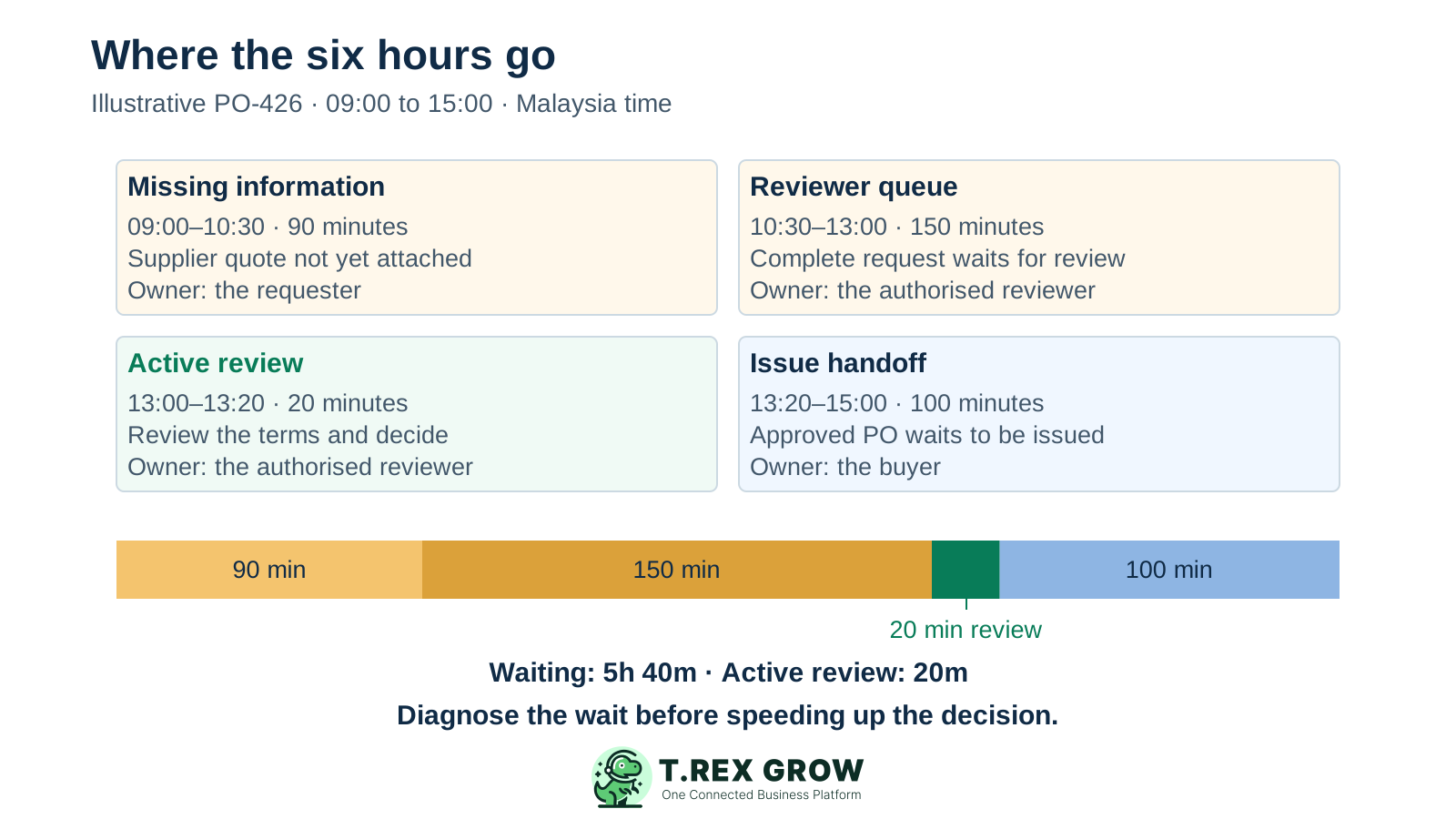
Purchasing misses a supplier cut-off, a quotation reaches the customer late or a stock correction stays unresolved. Staff may chase the manager more often while the request is actually waiting for a missing quote, an authority clarification or a release owner.
Operational pressure
When records live in different places, the person responsible has to reconstruct what happened before they can make a confident decision or follow up.
A total, supplier quote, commercial term or stock explanation is missing. The reviewer cannot make a useful decision until somebody supplies it.
A routine document waits behind an unusual commitment because the business has not separated decision needs or reviewer coverage.
The request is approved, but issue, sending or application waits. The delay belongs to the next action rather than the reviewer.
Start by defining the boundary you are measuring. Request-to-decision time ends when an outcome is recorded. Request-to-release time ends when the authorised document is issued or the action is carried out. Compare the same boundary across similar request types.
Measure from the original submission to the chosen end event. State whether the measure uses calendar hours or working hours, including how weekends and holidays are handled.
Count the time spent examining the request and deciding. Use a short manual observation if the system does not record this; avoid treating the whole pending period as reviewer effort.
Label intervals when no decision work is happening: missing information, reviewer availability, a specialist check or the next-action handoff. Keep the current owner and reason attached.
A return can reveal a genuine missing fact. Preserve the original submission and record the return and resubmission separately so repeated attempts do not hide the total age.
This is a fictional same-day purchase-order example for a Malaysian distributor. PO-426 is submitted at 09:00 and issued at 15:00, using Malaysia time, UTC+8. The timing illustrates a diagnostic method; it is not a benchmark or measured TREX Grow result.
Submission-to-decision is 4 hours 20 minutes. Submission-to-issue is 6 hours. The full six-hour sequence contains 5 hours 40 minutes of waiting and 20 minutes of active review.
The largest observed interval is the reviewer queue, but the missing quote and issue handoff also matter. Check whether the same pattern recurs before changing the approval rules.
| Interval | Duration and reason | Useful first check |
|---|---|---|
| 09:00–10:30 | 90 minutes waiting for a missing supplier quote. | Was the required evidence named before submission? |
| 10:30–13:00 | 150 minutes waiting for the authorised reviewer. | Was coverage agreed and did the reviewer know the request was ready? |
| 13:00–13:20 | 20 minutes of active review before approval. | Did the reviewer have enough information for the decision? |
| 13:20–15:00 | 100 minutes waiting for the buyer to issue the PO. | Was the release owner and next action explicit? |
Treat these as hypotheses to investigate, not reasons to blame one person. Inspect the actual request, handoffs and timing before deciding which operating rule should change.
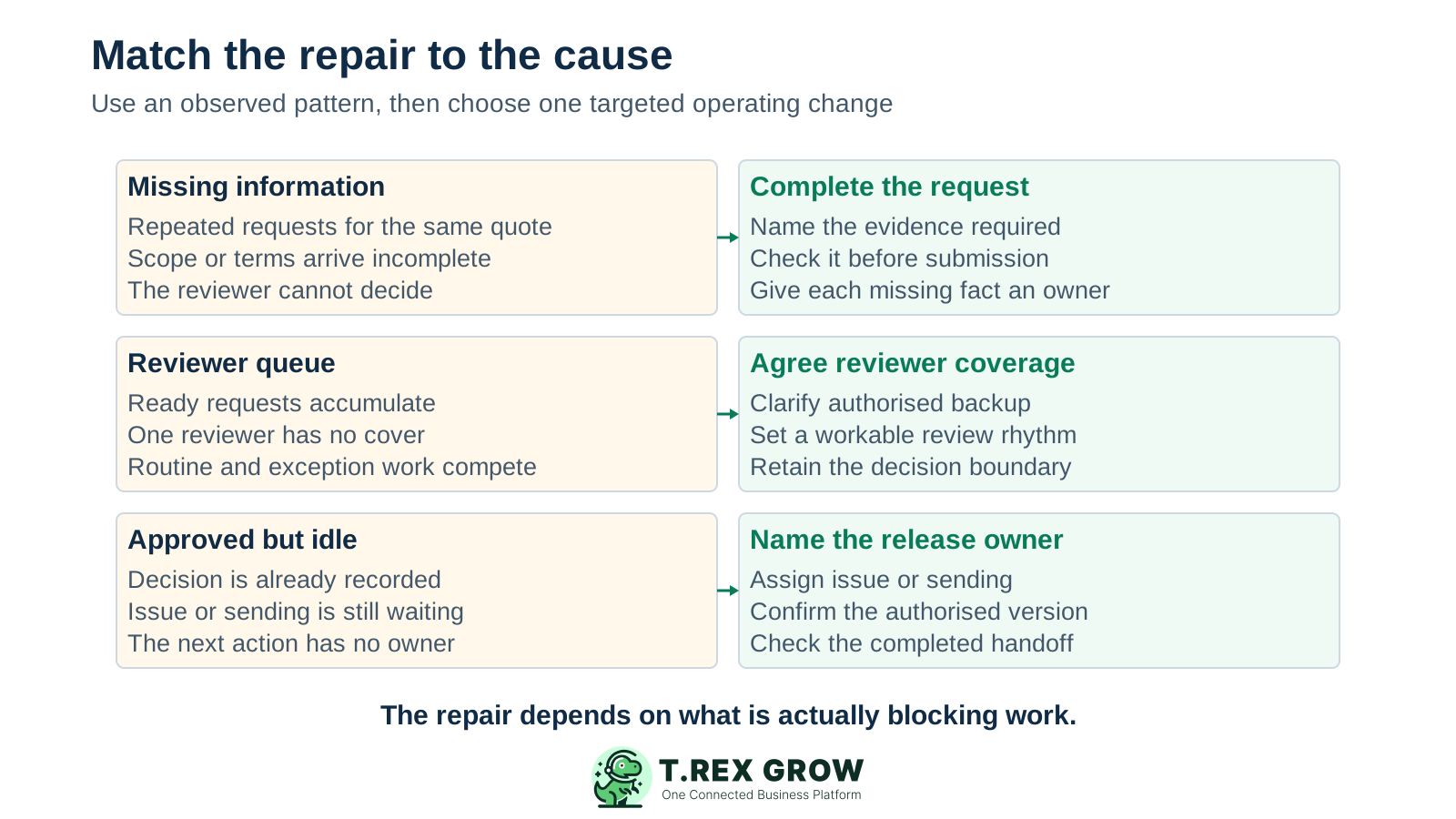
Look for repeated requests for the same quote, scope, quantity or terms. Define the evidence needed for that request type and check it before sending the request for review.
Staff ask several managers because nobody knows who can decide. Clarify the relevant authority and exception route, then confirm that business responsibilities and software permissions agree.
Complete requests accumulate with one person. Agree coverage, an authorised backup and a realistic review rhythm. Adding access alone does not establish delegated authority.
Two people repeat the same commercial check. Identify what each review contributes; the business can redesign unnecessary duplication while retaining required judgement and authority.
A request is repeatedly amended without resolving the core question. Record specific missing facts, name who must supply them and show the current version and change.
An approved request remains idle. Name who issues, sends or applies it, and make the approved scope and conditions available to that person.
Use a small sample of comparable requests from one workflow, such as purchase orders. This suggested exercise can be adapted to your volume; it is not a universal response-time target.
Record the current facts in one shared place.
Confirm what is known and what needs attention.
Make the next decision or follow-up accountable.
Complete the next task and record the outcome.
Refresh the shared view when facts change.
A dependable workflow keeps the shared record and the next action aligned.
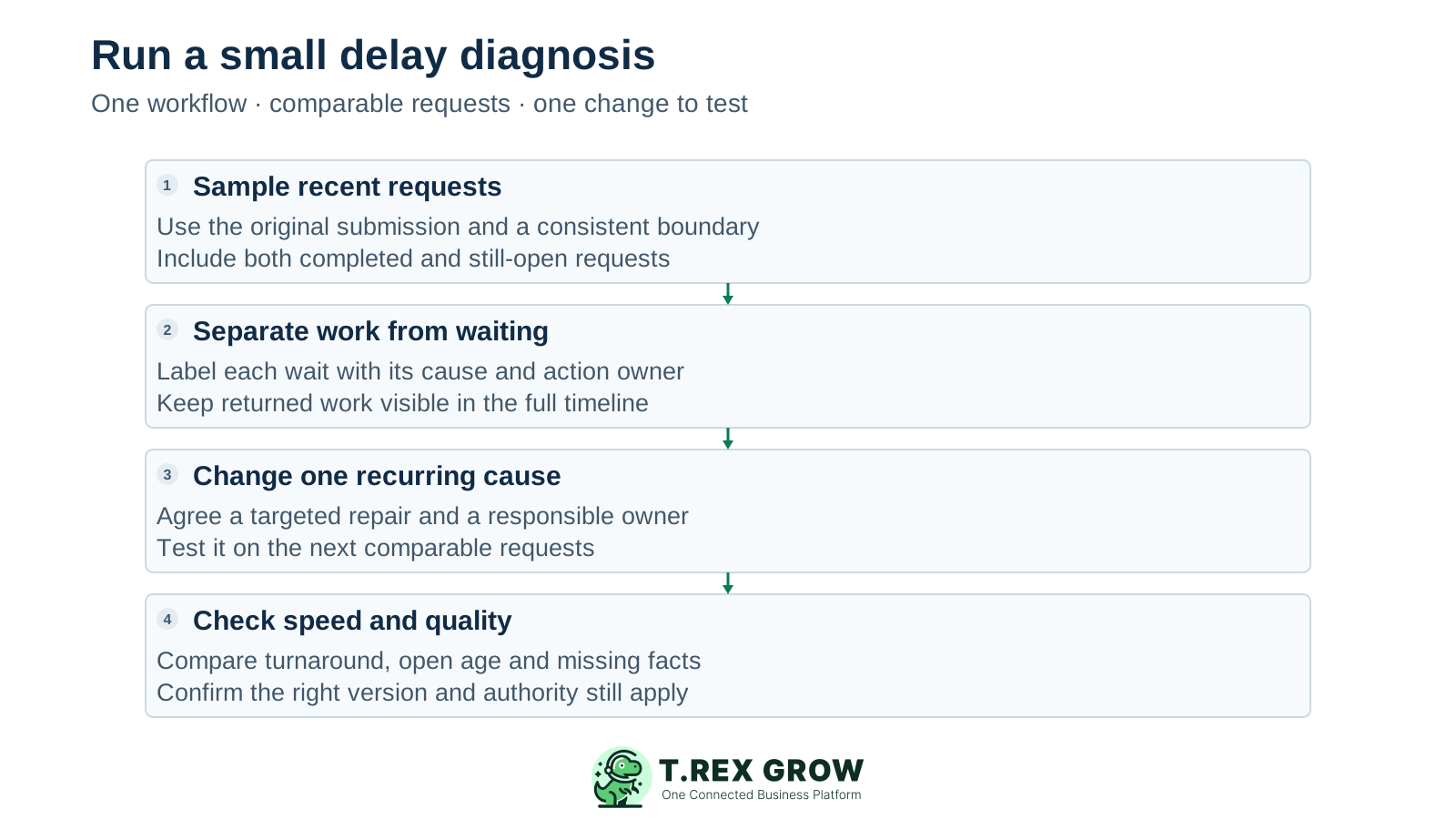
Choose the request type and measurement boundary. Include recently completed requests and still-open ones, using the original submission time.
Ask the people doing the work to reconstruct the actual steps. Note when evidence was ready, when review occurred, when a return happened and when the next action began.
Label each waiting interval with its cause and current action owner. Separate missing information, reviewer availability, specialist checks and release work.
Identify one recurring cause with an operational consequence. Agree one repair, its owner, how it will be used and what should improve.
Try the change on the next comparable requests. Check elapsed time, unresolved age, returned work and whether decisions still cover the correct version and authority.
Keep, revise or stop the change based on the result. Record any urgent exception separately rather than counting an approval bypass as normal improvement.
A useful escalation explains why work is blocked and what an authorised person needs to do next. Reminders should reach the person who can resolve the current blocker.
Use a concrete description such as PO-426 v1 is ready for review, or supplier freight terms are still missing. Include the current record and evidence.
State the real supplier cut-off, customer commitment or operational dependency. Distinguish a verified deadline from a requester preference.
Name the responsible reviewer or authorised backup and the decision required. If the request is waiting for evidence, direct the follow-up to the person supplying it.
Keep the current version, decision and conditions connected. An urgent request still needs the appropriate decision or documented exception before the controlled action.
The best practice is to make the next action clear before the situation becomes urgent.
Use a few consistent measures with clear definitions. Record them manually where needed; a live pending list does not automatically provide every interval or cause.
Use the same request type, time boundary and working-hours convention. Record changes in volume or complexity that could explain the result.
Completed requests can look faster while difficult cases remain unresolved. Review still-open age and missing-information returns alongside completed turnaround.
| Measure | Definition | How to interpret it |
|---|---|---|
| Request-to-decision time | Original submission to the recorded outcome, with an agreed clock convention. | Compare similar requests; report open requests separately. |
| Age of unresolved requests | Original submission to the review date for requests still waiting. | Keeps the oldest unfinished work visible. |
| Returns for missing information | Comparable requests returned because required evidence was incomplete. | Check whether request preparation is improving. |
| Decision-to-release time | Recorded approval to the matching authorised issue or action. | Separates release delays from review delays. |
| Decision-quality exceptions | Wrong versions, missing authority or unmet conditions found during the sample review. | Faster processing is useful only with sound decisions. |
Shortening a queue is useful when the decision remains clear, authorised and actionable.
Recurring issues usually point to workflow-control gaps, not one isolated data-entry mistake.
A missing supplier quote needs its information owner. More messages to the reviewer do not provide the absent evidence.
An unanswered request remains unresolved unless an explicit, appropriate business rule says otherwise. Use the authorised backup or exception route.
A resubmission date is useful, but replacing the original submission hides the total time the business has waited.
Another review should have a distinct purpose. Extra signatures can add a queue while leaving the original missing fact unanswered.
A quick decision on incomplete or outdated information can create rework and release errors. Improve readiness rather than skip the necessary judgement.
Keep urgent exceptions visible and review their authority and consequences. They should not disguise the normal workflow delay.
For supported purchase orders, TREX Grow connects the current business record, pending approval state, permission checks and recorded decision. Use these records to support the diagnosis while keeping any cause classification or timing observations the team needs.
The PO list supports a pending-approval filter for non-draft records requiring approval with no approval date. This helps distinguish submitted requests from work still being prepared.
Use the PO details and linked revisions to examine supplier, items, amounts and terms. Identify the missing fact or version question before sending another follow-up.
The PO approval action checks the relevant approval permission. Finalising a PO that needs approval can notify users with that permission by email; a notification does not guarantee that someone has reviewed it.
The PO approval path records the approving user and approval time and generates the official PDF. Keep the subsequent issue or send handoff distinct when investigating later waiting.
This guide does not claim automatic delay classification, reviewer workload balancing, service-level escalation or a dashboard that measures active review time. Use the verified records plus your team observations to identify the cause.
Choose a recent slow purchase order and separate information gathering, reviewer waiting, decision work and release. Agree one targeted change, then check both turnaround and decision quality.
Common causes include missing evidence, uncertain authority, reviewer overload or absence, repeated checks and an unowned release handoff. Inspect the actual sequence before assuming the reviewer is simply slow.