The same invoice arrives twice
A PDF in email and a copy forwarded through WhatsApp can look like separate work. Search the supplier and invoice reference before creating another record.

Before approving a supplier invoice, check who is billing, what was authorised, what was received and what remains payable. Use this checklist to give the approver a clear decision record, with any difference assigned to someone who can resolve it.
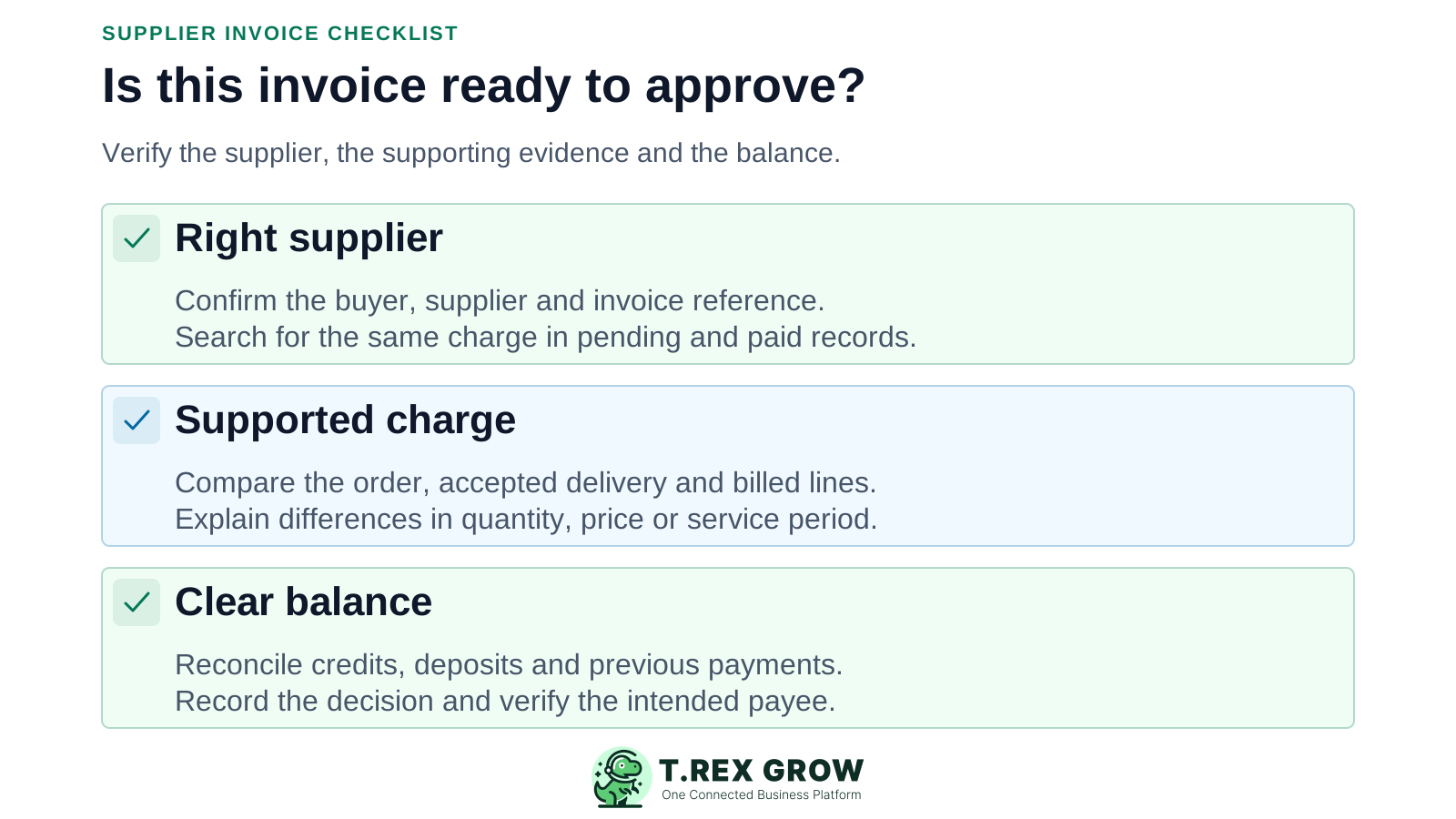
An invoice can have the right supplier logo and a plausible total while still containing the wrong period, duplicate lines or unreceived goods. The review should connect the supplier's charge to the business's own records.
Operational pressure
When records live in different places, the person responsible has to reconstruct what happened before they can make a confident decision or follow up.
A PDF in email and a copy forwarded through WhatsApp can look like separate work. Search the supplier and invoice reference before creating another record.
The PO shows what was ordered. A delivery record or service acceptance shows what actually arrived or was completed.
A changed unit price, extra freight charge or missing credit can be missed when the reviewer checks only the final amount.
A due date or supplier reminder identifies a timing issue. It does not resolve missing evidence or authorise a different payee.
Keep the original supplier document and record the review outcome separately. Complete these checks before approving the charge, then refresh payment details and the outstanding balance when payment is prepared.
Record the supplier's invoice number, invoice date, received date, currency and amount. Preserve the original reference even if your internal record uses another number.
Use the authorised PO, contract or other permitted purchase evidence, together with receipt or service acceptance. A small business can perform this comparison manually.
Record who reviewed it, when, the version or reference checked, any unresolved issue, and whether it is ready for approval or remains on hold.
Mark each check as passed, on hold or not applicable with a reason. A missing field is a prompt to investigate; whether it blocks approval depends on the purchase, the evidence and your business's rules.
| Check | Evidence to confirm | Hold or investigate when |
|---|---|---|
| 1. Supplier and buyer | The billing supplier matches the approved supplier record and the invoice names the correct buying entity. | The supplier identity is unfamiliar or the invoice is addressed to another company. |
| 2. Invoice reference and dates | Supplier invoice number, issue date, received date and billing period identify this particular charge. | The reference is missing, unreadable or inconsistent across copies. |
| 3. Duplicate billing | Search the supplier, invoice number, amount, date and service period across recorded, paid and pending invoices. | The same charge may already be entered, approved or paid, including under a slightly different reference. |
| 4. Purchase authority | The invoice links to an authorised PO, contract or documented non-PO purchase route. | No one can identify who authorised the purchase or which terms apply. |
| 5. Goods or service description | Each item, unit, service period or milestone agrees with the agreed scope. | Descriptions are vague, a period overlaps an earlier bill or an item was substituted. |
| 6. Receipt or acceptance | The receiver confirms actual accepted quantities or the service owner confirms the completed milestone. | Only the order exists, delivery is partial or acceptance is disputed. |
| 7. Quantities and units | Billed quantities and units reconcile to the agreed billing basis and earlier invoices. | Boxes and pieces are mixed, quantities exceed supported fulfilment or earlier billing is ignored. |
| 8. Prices and currency | Unit prices and currency match the current agreement; approved changes are recorded. | The supplier uses an old price, wrong currency or unapproved increase. |
| 9. Discounts, tax and charges | Discounts, freight, tax amounts and other charges reconcile to the agreement and applicable treatment. | Tax treatment or an added charge is unclear and needs finance or supplier clarification. |
| 10. Arithmetic | Recalculate line totals, discounts, charges, tax, rounding and the stated total. | The invoice total cannot be reproduced or differs from the recorded amount. |
| 11. Credits and prior payments | Relevant credit or debit notes, allocated deposits and previous payments explain the remaining balance. | A credit is missing, a deposit is deducted twice or the balance is based on an old statement. |
| 12. Terms and due date | The due date follows the agreed terms and trigger, such as invoice date or acceptance where agreed. | The printed due date conflicts with the agreement or was changed without review. |
| 13. Payee details | The intended payee matches the verified supplier payment record; changes follow independent verification. | New bank details appear only in the invoice, message thread or urgent change request. |
| 14. Decision and evidence | The reviewer, decision date, supporting records, issue owner and next action are recorded. | A material difference remains unresolved or approval covers a superseded invoice. |
For a purchase backed by a PO, compare what was authorised, what was accepted and what was billed. This is often called three-way matching. A shared reference helps locate the records, but the quantities, price basis and actual fulfilment still need review.
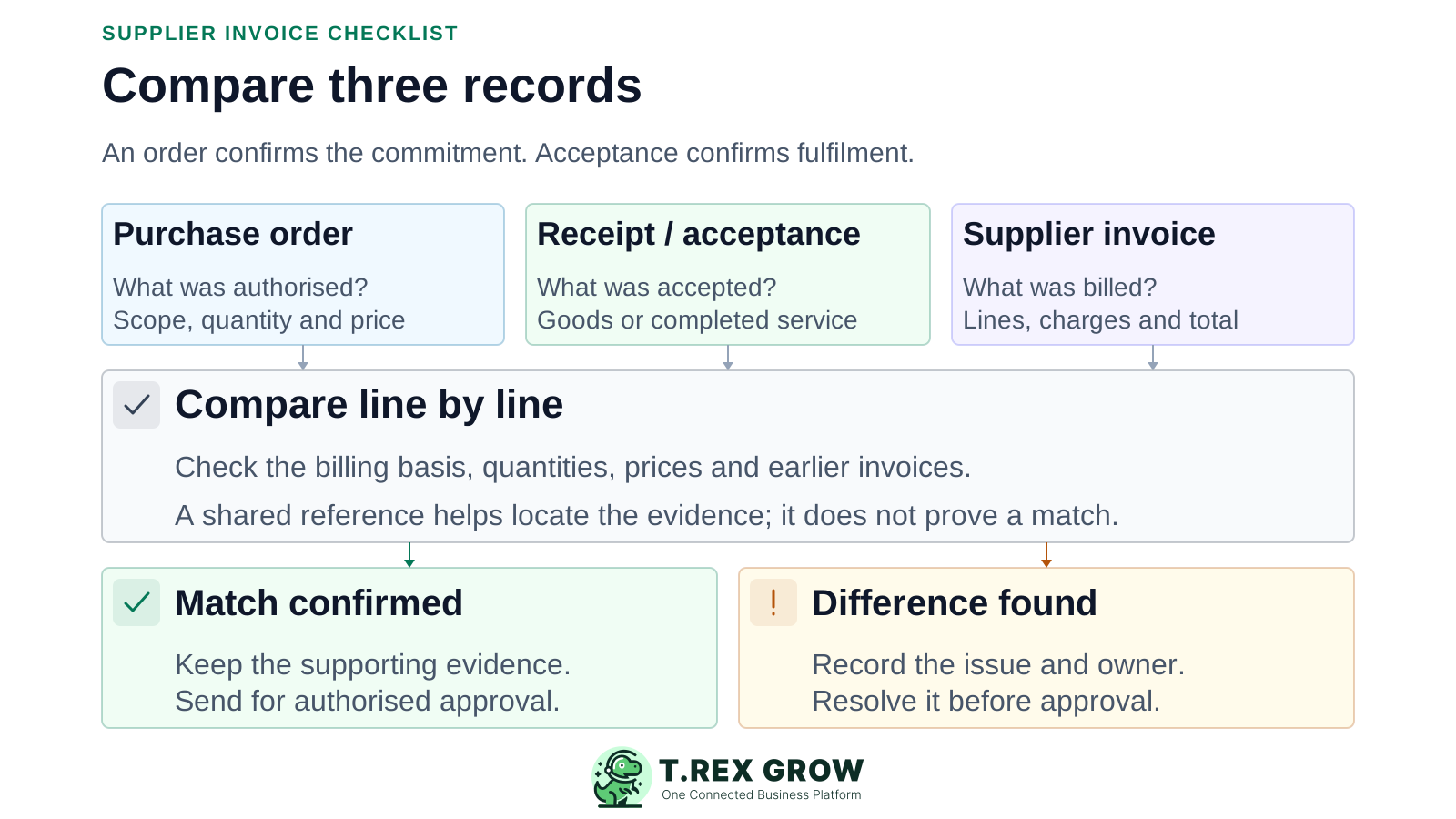
Use the approved scope, price, currency, quantities, terms and agreed amendments as the commercial baseline.
Use actual accepted goods, a signed job completion record or confirmation from the service owner. For staged purchases, identify the specific delivery or milestone.
Check the billed lines against that baseline and the fulfilment evidence. Explain price, quantity, timing and charge differences before the approver decides.
Keep exceptions visible so an invoice does not circulate between finance, purchasing and the receiver without progress. Use a simple hold record alongside your normal approval process.
Record the current facts in one shared place.
Confirm what is known and what needs attention.
Make the next decision or follow-up accountable.
Complete the next task and record the outcome.
Refresh the shared view when facts change.
A dependable workflow keeps the shared record and the next action aligned.
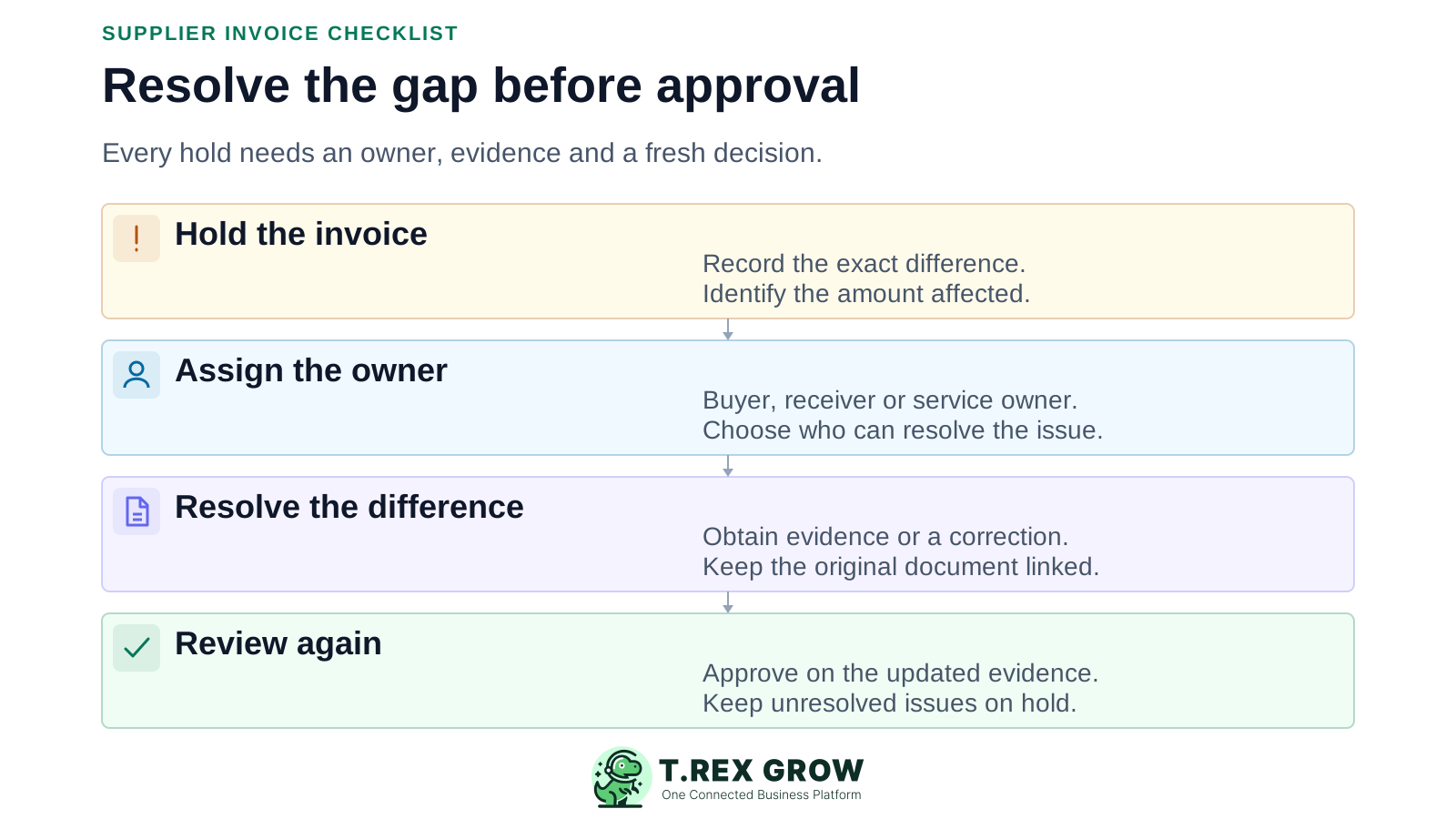
Record the invoice once and flag the exact line, amount or detail that needs review.
Put the affected invoice or amount on hold under your business's policy and explain the reason.
Assign the issue to the buyer, receiver, service owner or supplier contact who can resolve it.
Collect missing evidence, confirm an authorised exception or obtain the appropriate corrected document or adjustment.
Recheck the latest evidence and record the approval decision; keep unresolved issues on hold.
Refresh the balance and verified payee details before payment, then record settlement against the invoice.
A Malaysian wholesaler orders 100 cartons at RM40 each, with payment based on accepted delivery. The supplier invoices all 100, but the receiving record confirms only 80 accepted cartons. This simplified example excludes tax, freight and discounts.
Preserve the original invoice and connect the resolution evidence. If the supplier issues a correction or adjustment, keep its reference and explain which amount now applies.
If the invoice's payable figure already deducts the RM1,000 advance, do not deduct it again. Reconcile the document presentation and payment allocation.
A deposit, advance or milestone agreement may permit billing before full delivery. Review against that agreement rather than applying a universal receive-first rule.
| Record | Quantity or amount | Review meaning |
|---|---|---|
| Approved PO | 100 cartons × RM40 = RM4,000 | The order establishes the full commitment. |
| Accepted delivery | 80 cartons × RM40 = RM3,200 | Current acceptance supports 80 cartons under the agreed billing basis. |
| Supplier invoice | 100 cartons × RM40 = RM4,000 | 20 cartons, worth RM800, need explanation before approval. |
| Resolution | Confirm remaining delivery or obtain an agreed correction | Record the supplier's response and any credit or corrected invoice. |
| Earlier payment, if applicable | RM1,000 already allocated to this charge | If the agreed net charge becomes RM3,200, RM2,200 remains after that payment. |
The core checks stay consistent, but the supporting record changes with the purchase type. Define who may accept an exception and how the reason is recorded.
Check the service period, deliverables, users or covered scope and owner acceptance. Compare neighbouring periods to identify overlap or duplicate renewals.
Use the documented non-PO route, authorised contract or expense evidence. Assign a responsible owner instead of creating a PO after the fact and treating it as prior approval.
Connect returns, accepted credits and debit notes to the relevant charge. Distinguish an adjustment to the amount owed from an actual cash payment or refund.
Use a statement to reconcile balances and locate missing documents. Check whether its listed invoices are already recorded before entering anything new.
Verify a new account through an established contact channel independent of the change request. Keep the verification record with the authorised supplier change.
Where applicable, retain the relevant e-Invoice record and reference and check buyer, supplier, currency and amount details. MyInvois validation is a separate check from commercial acceptance and internal payment authorisation.
The best practice is to make the next action clear before the situation becomes urgent.
A completed checklist is useful only when each result points to evidence. Keep these common shortcuts out of the handoff to the approver.
Recurring issues usually point to workflow-control gaps, not one isolated data-entry mistake.
Reference formats can change and different suppliers can use the same number. Compare supplier identity, amount, date and billing period as well.
A reminder may quote a balance that predates a payment or credit. Return to the invoice and current allocation evidence.
Matching the ordered total does not establish receipt, quality, service completion or the current payable balance.
Keep tax-document validation, operational review and the authorised payment decision distinct.
Write down the issue, amount affected, responsible person and next review date so the invoice can move forward.
Once the team agrees its checklist and decision rules, TREX Grow can help keep supplier invoice information and downstream records together. The reviewer still performs the checks and resolves exceptions.
Create a supplier invoice from the PO and retain the supplier and purchase reference for review.
Keep the supplier invoice number, invoice date, due date, payment term, line items, tax and discount information in the record.
Use supported purchase-order and stock-entry relationships to locate the purchasing and receiving context. Linking records does not mean automatic three-way matching.
Keep supported supplier credit and debit notes alongside payment history, including payment amount, date, method and reference.
The business owns duplicate checks, receipt confirmation, payee verification, invoice approval and execution through its approved payment channel.
Ask a colleague to review the next invoice using only the linked evidence. If they cannot explain the supplier, charge, acceptance and balance, record the missing information and its owner before sending it for approval.
Check the supplier and buyer, invoice reference and dates, duplicate billing, purchase authority, scope, accepted goods or services, quantities, prices, currency, discounts, tax, totals, credits, prior payments, terms, payee details and the review decision.