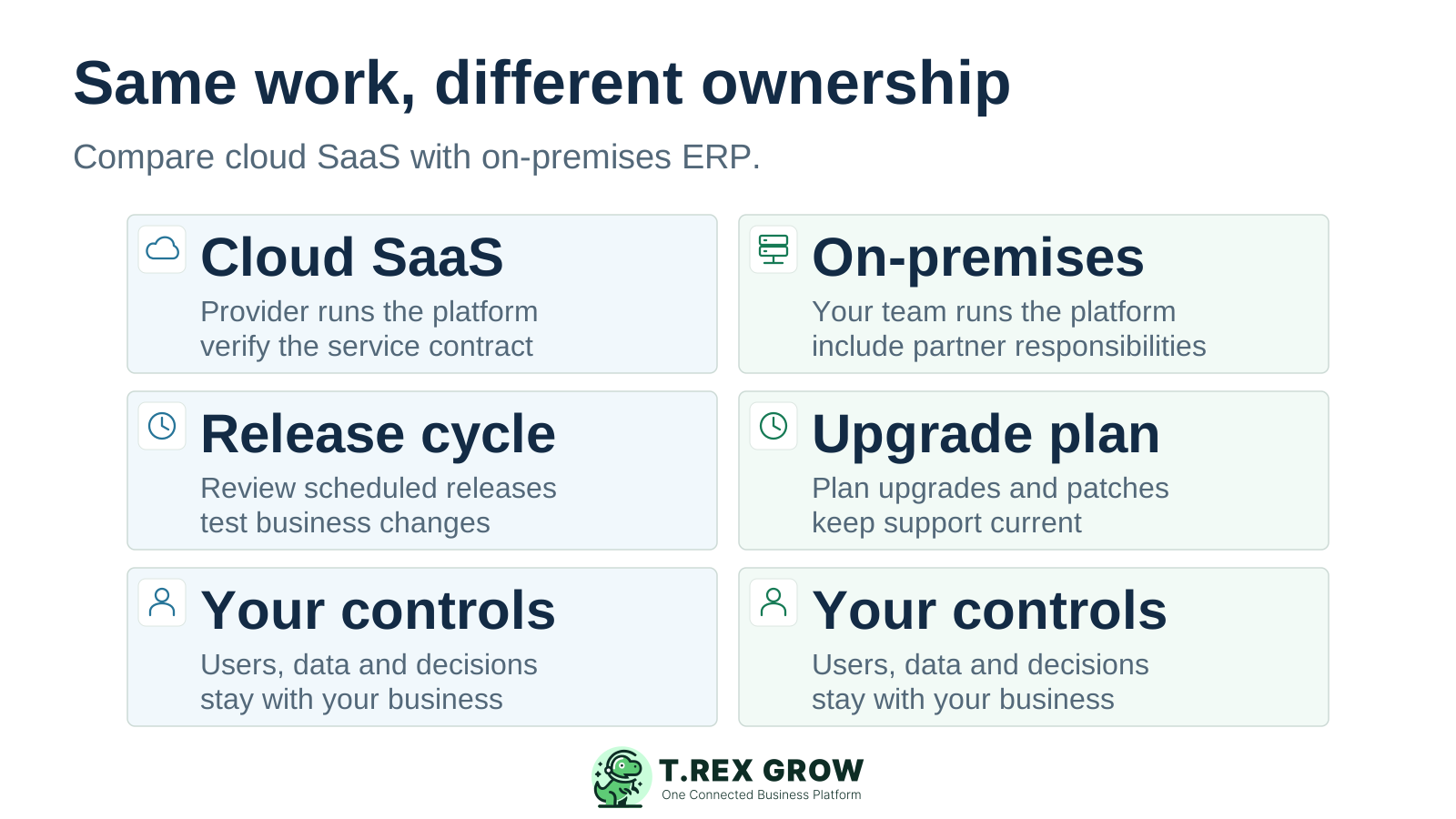
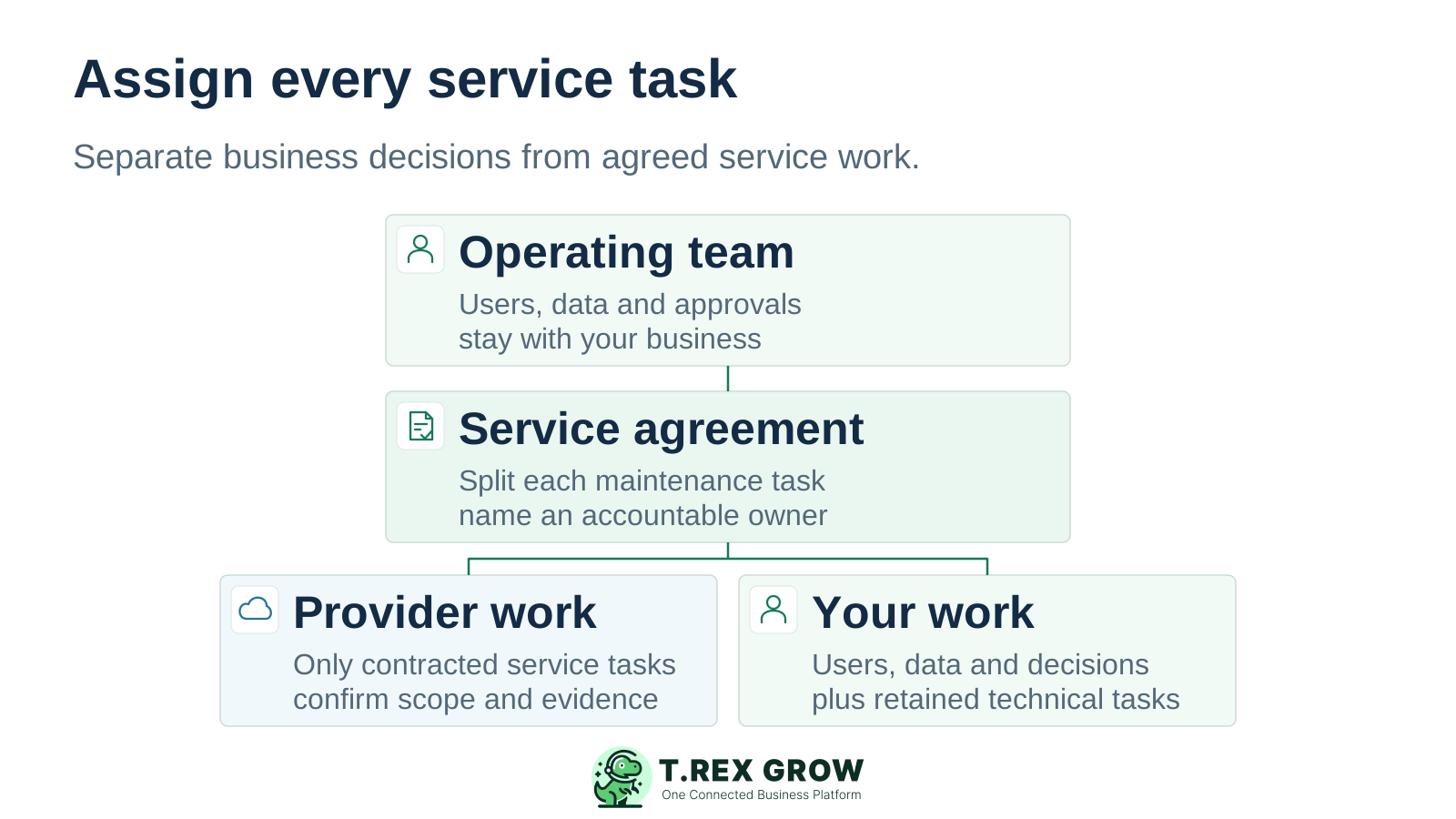
| Platform maintenance | Provider operates the underlying service; check what application support is included. | Business or contracted partner operates the assigned installation and maintenance tasks. | Named owners, covered tasks and the support escalation route. |
| Updates and changes | Provider release arrangements shape update timing; review configuration and integration impacts. | Your team or partner plans application and infrastructure upgrades within the supported lifecycle. | Release notice, test process and responsibility for custom changes. |
| Access and connectivity | Service access normally relies on a working network connection; offline features are product-specific. | Local operation may be possible if the required components remain available; remote access needs an appropriate setup. | Demonstration from each site and a documented outage procedure. |
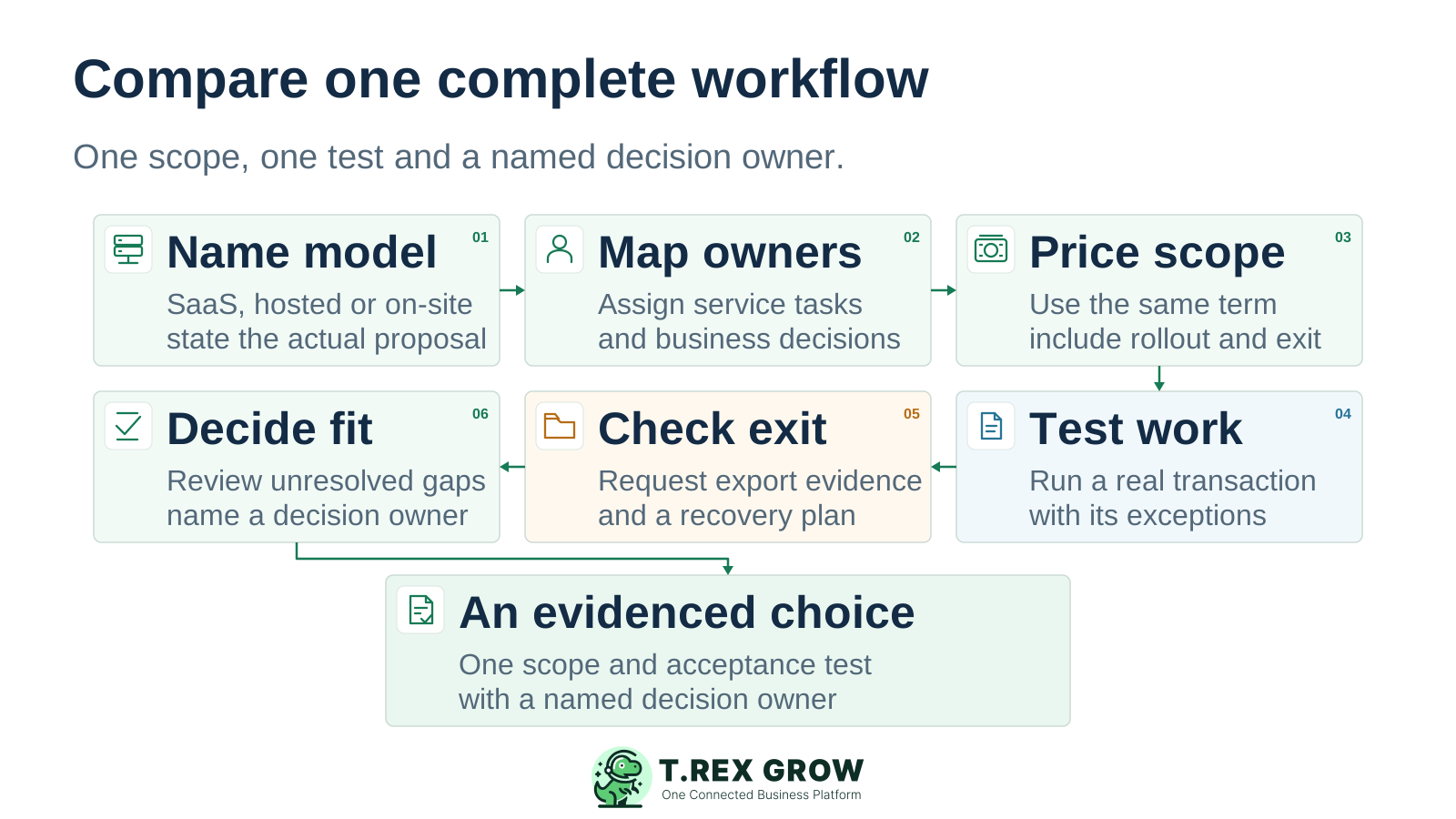
| Cost scope | Subscription is one line; implementation, integrations and additional services can add costs. | Licence or subscription, equipment and support depend on the offer; include refresh and internal work. | The same period, users, modules, rollout tasks and exit assumptions. |
| Configuration and custom work | Use the product’s supported configuration and extension routes; check their limits and maintenance. | Installation control can allow more direct changes, subject to the product, licence and support terms. | A demonstration of each required change and a named upgrade maintainer. |
| Security responsibilities | Provider and customer tasks differ; the business still controls its users, settings and data decisions. | The business owns a wider technical boundary unless specific tasks are delegated. | Access evidence, responsibility schedule and incident/support contacts. |
| Recovery and data return | Check contracted recovery, retention and export arrangements; do not infer them from the cloud label. | Plan and test the installation’s recovery and data handover with the responsible team. | Relevant recovery evidence and a usable export of required records and attachments. |
| Functional fit | The edition and plan determine workflows; hosting does not prove accounting, stock or approval fit. | The edition and configuration determine workflows; on-premises does not mean fewer features. | The same complete transaction, exceptions and reconciled outputs. |